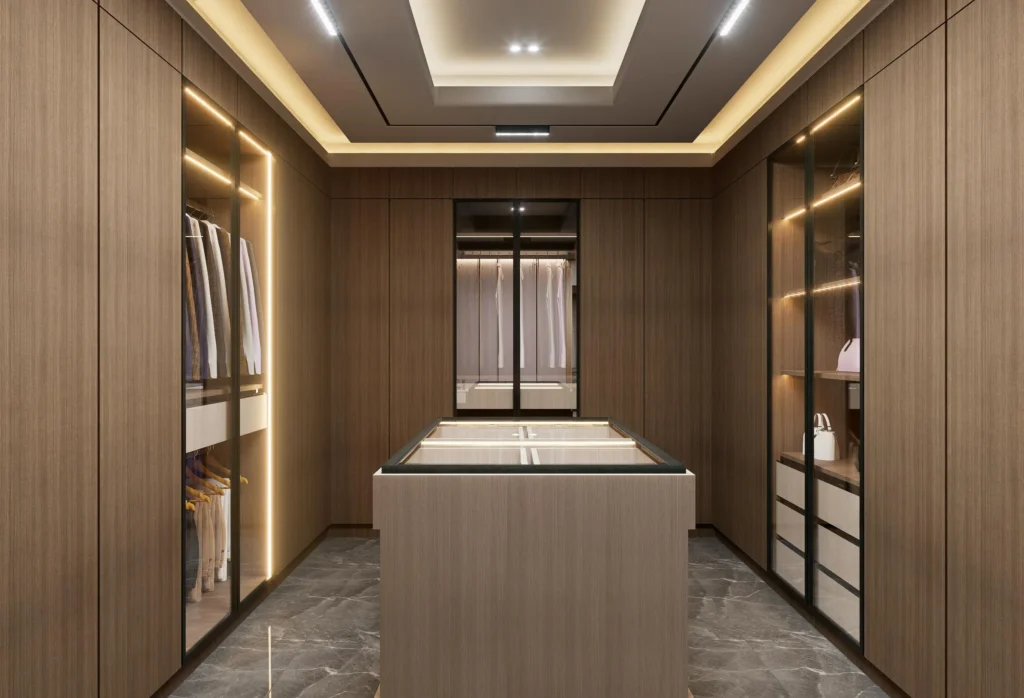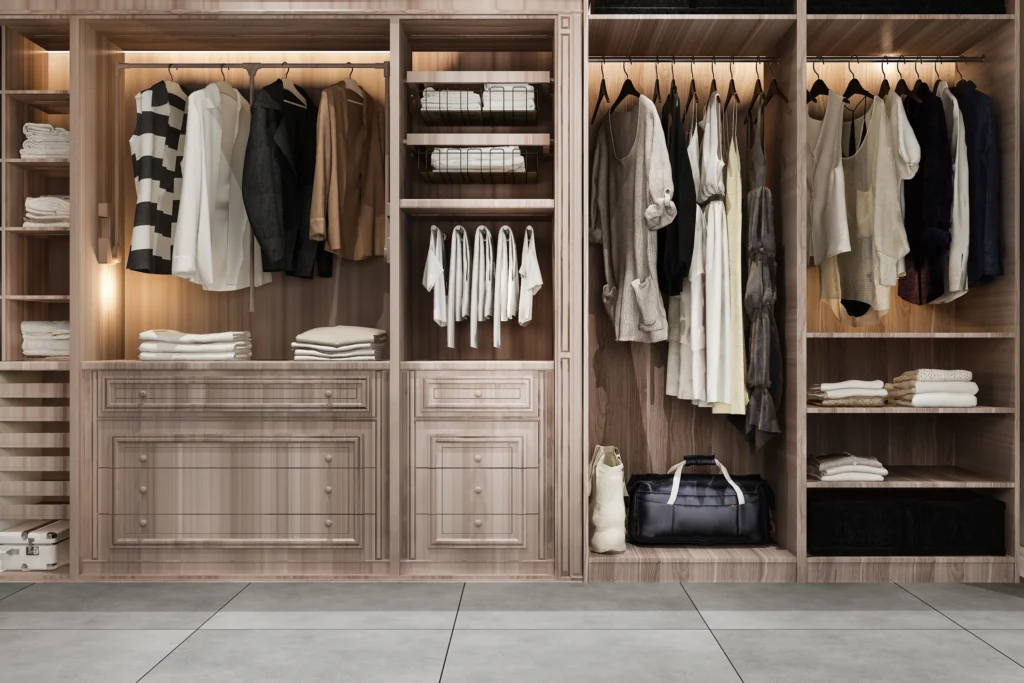
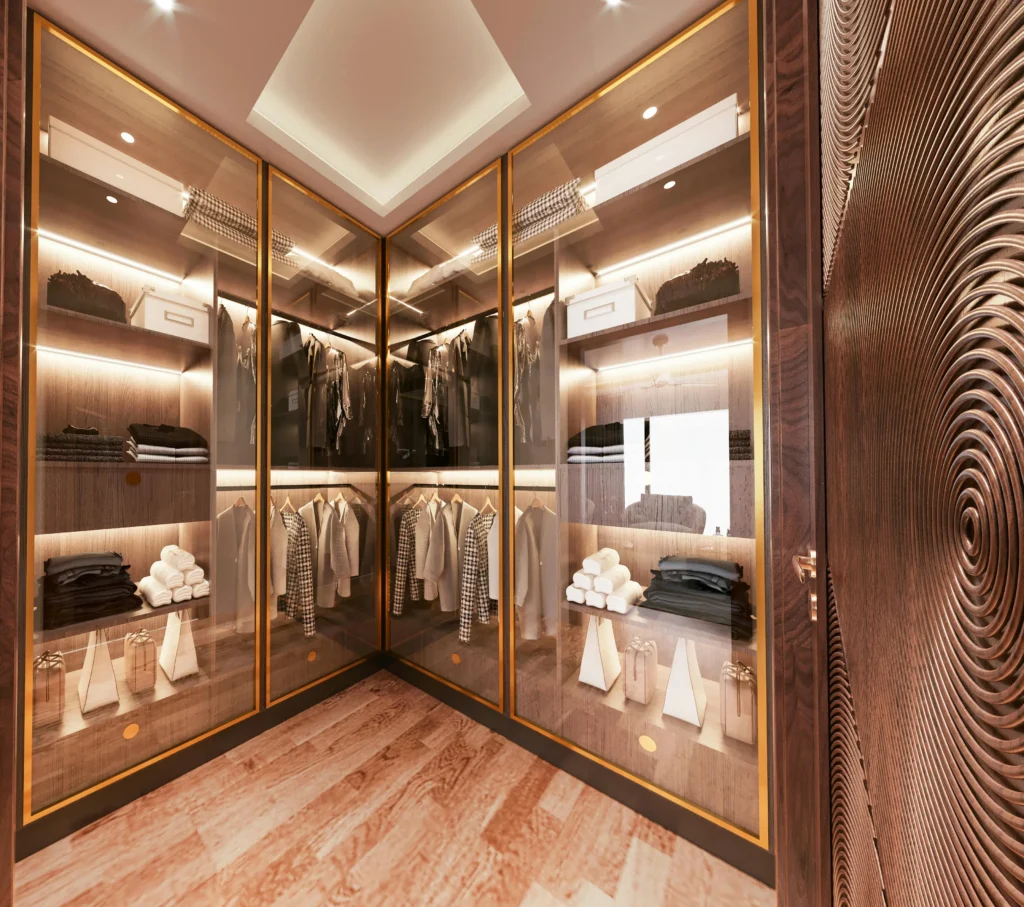
Closet mistakes are one of the leading causes of cluttered, inefficient, and frustrating storage spaces, even in homes where organization was once carefully planned. As lifestyles evolve, wardrobes grow, and storage needs shift, habits or layouts that once seemed practical can quickly become outdated, leaving closets overcrowded, hard to navigate, and difficult to maintain. In 2026, effective closet organization is no longer just about adding more shelves, bins, or racks, it’s about making thoughtful, intentional choices that align with daily routines, accommodate long-term use, and allow for flexibility as needs change.
This blog explores the most common closet organization mistakes that homeowners still make, from overstuffed shelves to poor material choices, and provides practical strategies to avoid them. By understanding these pitfalls and applying smarter planning and thoughtful design, you can transform your closet into a functional, clutter-free, and visually appealing space that works for you now and into the future.
Why Closet Organization Still Goes Wrong
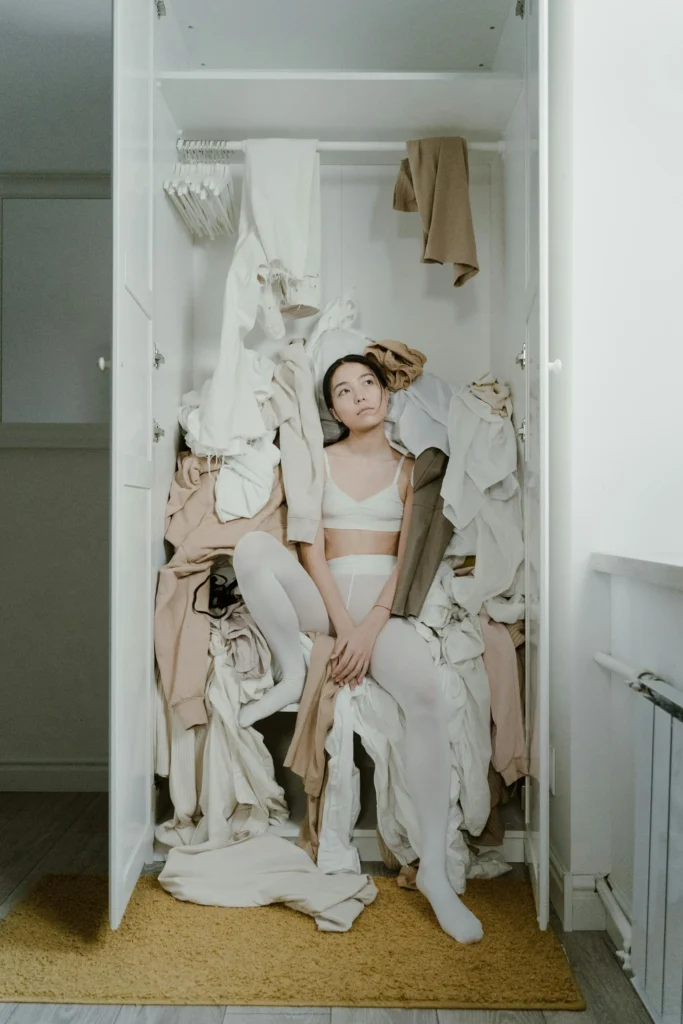
Even with access to innovative products and endless design inspiration, many closets still fall short of their full potential because organization is approached without careful planning. Often, closets are arranged hastily, with items simply placed wherever there is space, rather than considering how the space is actually used throughout daily routines. This “quick fix” approach may look tidy initially, but it rarely results in a system that functions efficiently over time. A common mistake is purchasing bins, hangers, shelves, or other storage solutions before assessing needs without taking into account the types of clothing, accessories, or household items that will occupy the space, these products can end up unused or ill-fitting. Another overlooked factor is long-term adaptability: closets are not static. Seasonal wardrobe changes, additions to the family, or evolving lifestyle habits all impact how a closet functions. Without designing for flexibility, such as adjustable shelves, modular storage, or multi-purpose zones, closets quickly lose their effectiveness, creating clutter and frustration rather than simplicity and ease.
Mistake #1: Treating Every Closet the Same
Not all closets are created equal, yet a common mistake is organizing every closet with the same layout, tools, and expectations. A primary bedroom closet, used daily for clothing and personal items, has very different needs than a guest room closet, a hallway linen storage, or a child’s wardrobe. Applying a one-size-fits-all approach often results in inefficiency, with shelves that are too high or too low, rods that leave wasted vertical space, and storage zones that don’t match the items they’re meant to hold. Uniform shelving and fixed rod placements can create awkward gaps that are difficult to reach or leave valuable space unused, making the closet feel cluttered even when it’s not full.
A smarter strategy is to design each closet with its specific function, frequency of use, and the user in mind. Adjustable shelves, modular bins, and custom layouts tailored to the type and quantity of stored items ensure that every inch is functional. By personalizing closet design rather than relying on standard solutions, homeowners can maximize efficiency, accessibility, and usability without the need for additional square footage.
Mistake #2: Overloading Hanging Space
Hanging space is essential in any closet, but an overemphasis on rods can create clutter and reduce overall functionality. When rods dominate, folded clothes, shoes, and accessories often end up crammed into corners, piled on shelves, or even left on the floor, making it difficult to locate items and maintain order. Overloaded rods also increase wrinkling, stress on garment seams, and wear on fabrics, shortening the lifespan of clothing while making daily dressing more frustrating. A more effective approach balances hanging areas with shelves, drawers, and dedicated compartments for folded items, shoes, and accessories. Incorporating short-hang sections for shirts and blouses, double-hang sections for pants and skirts, and dedicated zones for specific items allows for better visibility, easier access, and a more organized closet overall. Thoughtful zoning ensures that hanging rods serve their purpose without overwhelming the space or compromising usability.
Mistake #3: Ignoring Vertical Space
One of the most common closet mistakes is underutilizing vertical space, leaving the upper areas of a closet empty or filled with poorly stacked, hard-to-reach items. Shelves above eye level are often neglected, turning what could be valuable storage into clutter zones that are rarely accessed. This wasted vertical space limits the closet’s overall capacity and can make the area feel disorganized. A smarter approach is to use upper shelves intentionally for seasonal clothing, holiday items, or other belongings that are not needed daily. Pairing these shelves with labeled bins ensures items remain organized and easy to identify, while step stools or small ladders provide safe access. By thinking vertically and planning for both visibility and reachability, homeowners can double their storage potential without expanding the closet’s footprint.
Mistake #4: Choosing Style Over Strength
Closets that appear stylish at first can quickly lose functionality if the materials and hardware are not carefully selected. Lightweight shelving, flimsy rods, and low-quality fasteners often fail to withstand the demands of daily use, leading to sagging shelves, warped surfaces, and unstable hanging systems over time. These issues not only compromise storage efficiency but can also damage clothing and create frustration for homeowners. The better approach is to prioritize durability alongside design, choosing materials and hardware rated for weight-bearing and frequent use. Solid or reinforced shelving, sturdy metal rods, and high-quality brackets ensure that the closet remains reliable while maintaining its aesthetic appeal. By investing in robust components from the start, you create a storage space that looks great and functions effectively for years to come.
Mistake #5: Skipping Adjustable Storage
Closets that lack adaptability often become outdated long before their potential lifespan. Fixed shelves and rigid layouts can quickly become limiting as wardrobes evolve, forcing homeowners to overcrowd spaces or improvise awkward storage solutions. Life changes such as new jobs, growing families, or shifts in hobbies and routines can dramatically alter what needs to be stored and how frequently items are accessed. The smarter approach is to incorporate adjustable shelving, modular units, and flexible compartments from the start. These solutions allow closets to evolve alongside changing needs, making it easy to reconfigure hanging space, shelves, and drawers without a major renovation. By designing for flexibility, a closet remains functional, organized, and relevant over the long term, supporting both daily routines and future lifestyle changes.
Mistake #6: Poor Lighting Choices
Closet lighting is often overlooked, yet it plays a crucial role in both usability and aesthetics. Dark corners and shadowed areas can make it frustrating to locate items, undermining even the most well-planned organization system. Relying solely on a single overhead fixture rarely provides even illumination across shelves, drawers, and hanging spaces, leaving some areas dim or difficult to access. A more effective approach is to incorporate layered lighting throughout the closet. LED strips along shelves, puck lights in compartments, and motion-activated fixtures near entry points can dramatically improve visibility and convenience. Thoughtful lighting not only makes the closet easier to use but also highlights design elements, creating a space that is both functional and visually appealing.
Mistake #7: Letting Shoes Take Over
Shoes are one of the most common contributors to closet clutter, often taking over floors and creating disorder. Piles of footwear not only reduce usable space but also make cleaning more difficult and increase the likelihood of misplacing items. Inconsistent storage solutions, such as random racks, boxes, or open piles, can add to visual clutter and make it harder to find the right pair quickly. A smarter approach is to incorporate designated shoe storage within the closet design. Angled racks, cubbies, or dedicated shelves keep shoes organized, visible, and off the floor, making the space more functional, easier to maintain, and visually appealing.
Mistake #8: No System for Accessories
Accessories are often overlooked in closet design, but without thoughtful storage, small items like belts, scarves, jewelry, and handbags can quickly get lost or tangled. Tossing these items into drawers may seem convenient, but it often leads to cluttered, frustrating spaces that waste time and make finding what you need a challenge. A better approach is to provide dedicated storage solutions for accessories. Hooks, trays, dividers, and pull-out organizers allow each item to have a designated spot, keeping everything visible, easily accessible, and tangle-free. Thoughtful accessory storage not only preserves the items themselves but also enhances the overall functionality and aesthetic of the closet.
Mistake #9: Forgetting Maintenance Habits
Even the most thoughtfully designed closet can lose its functionality without regular upkeep. Organization is not a one-time task; closets require periodic adjustments to ensure they continue to meet your changing needs. Over time, clutter tends to creep back in as items are misplaced, seasonal clothing is added, or storage routines lapse. The best approach is to schedule seasonal reviews, using the opportunity to reassess your storage needs, rotate clothing, declutter unused items, and fine-tune organization systems. By making maintenance a regular habit, your closet stays orderly, efficient, and enjoyable to use year-round.
Mistake #10: Not Planning for the Future
Many closets are designed with only current needs in mind, leaving little room for growth or future changes. When a closet is already full, adding new clothing, seasonal items, or accessories becomes a challenge, often forcing clutter onto the floor or other areas. Short-term thinking leads to temporary fixes that require repeated reorganizing, which can make even the best-designed space feel chaotic over time. A better approach is to leave intentional space for growth and plan layouts that can adapt to lifestyle changes, such as modular shelving, adjustable rods, or expandable compartments. By anticipating future needs, your closet can remain functional and organized for years, no matter how your wardrobe evolves.
Closet Organization Trends Shaping 2026
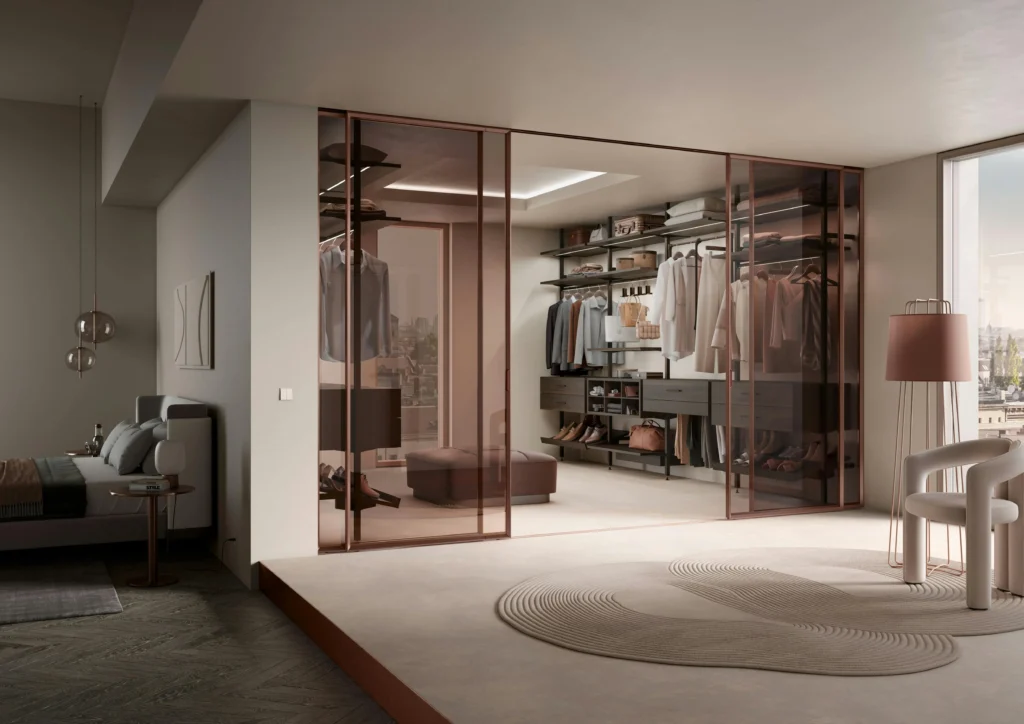
Understanding current closet trends helps homeowners make decisions that remain functional and stylish over time. Modern closets are no longer just storage spaces—they often serve multiple purposes, functioning as dressing areas, seasonal storage hubs, or even compact workspaces in some homes. Clean, minimalist designs with concealed storage are replacing cluttered open shelving, creating a visually calm environment while keeping belongings organized and accessible. At the same time, smarter materials have become standard: durable, low-maintenance finishes that resist wear, moisture, and scratches are prioritized over temporary or purely decorative options. By incorporating these trends into planning, closets can stay efficient, attractive, and adaptable for years, avoiding the pitfalls of outdated or short-sighted designs.
How to Avoid Closet Mistakes Altogether
The most successful closets aren’t just about cramming clothes onto rods or stacking shoes on the floor, they are thoughtfully designed spaces that blend function, efficiency, and style. These closets anticipate daily routines, adapt to changing needs, and make every item easy to find and access. By focusing on a few core principles, homeowners can create storage solutions that are practical, visually appealing, and built to last, turning what is often a source of frustration into a seamless part of everyday life.
| Start With Realistic Inventory | Designing a closet around what you actually own ensures the space works for your real, everyday life rather than an idealized version of it. Taking inventory of your clothing, shoes, and accessories helps determine how much hanging space, shelving, and drawer storage you truly need. For example, a wardrobe heavy on folded items or shoes requires very different solutions than one dominated by long-hanging garments. Planning based on current habits also prevents wasted space, overcrowding, and constant reorganization. When a closet reflects your actual lifestyle and wardrobe, it becomes easier to maintain, more efficient to use, and far more likely to stay organized long term. |
| Prioritize Function | A closet should support daily routines with minimal effort, making it easy to get dressed, store items, and maintain order without extra time or frustration. Frequently worn clothing should be placed at eye level or within arm’s reach, while occasional or seasonal items can be stored higher or in less accessible areas. Clear zones for workwear, casual clothes, shoes, and accessories help streamline decision-making during busy mornings. When everything has a logical place and is easy to access, the closet becomes a functional part of daily life rather than a space that requires constant adjustment or maintenance. |
| Invest Where It Matters | Quality materials, proper lighting, and adjustable systems provide long-term value by ensuring a closet remains durable, functional, and adaptable as needs change. Sturdy shelving, reinforced rods, and reliable hardware withstand daily use without sagging or wear, while well-planned lighting improves visibility and makes the space easier to use at any time of day. Adjustable shelves and modular components allow the layout to evolve with wardrobe changes, seasonal rotation, or lifestyle shifts, reducing the need for costly redesigns. Together, these elements create a closet that not only looks polished but continues to perform efficiently for years to come. |
| Think in Zones | Dividing closets into clear areas for clothing, shoes, accessories, and seasonal storage creates structure and prevents clutter from building up over time. When each category has a designated zone, items are easier to find, return, and maintain, supporting smoother daily routines. Clothing can be organized by type or frequency of use, shoes kept off the floor in dedicated racks or shelves, and accessories stored in trays, hooks, or drawers designed for smaller items. Seasonal storage zones allow out-of-season clothing to be rotated out of the way, freeing up prime space for what you wear most. This intentional separation turns the closet into an efficient, easy-to-manage system rather than a catch-all space. |
Long-Term Benefits of Avoiding Closet Mistakes
When common errors are avoided, closets become functional systems that consistently support daily life rather than adding frustration.
Improved daily efficiency
A well-planned closet makes it easy to find what you need quickly, helping mornings run smoother and reducing decision fatigue during busy routines.
Reduced clutter throughout the home
When everything has a designated place, items are less likely to migrate to chairs, floors, or other rooms, keeping the rest of the home more organized.
Less time spent reorganizing
Thoughtful layouts and flexible storage reduce the need for frequent cleanouts or constant rearranging, saving time and effort over the long term.
Better garment care and longevity
Proper hanging space, folded storage, and breathable organization prevent wrinkles, stretching, and damage, helping clothes and accessories last longer.
A cleaner, more intentional living space
An organized closet creates visual calm and reinforces a sense of order, contributing to a more peaceful, intentional home environment.
A well-organized closet supports your routine rather than complicating it
Instead of working around clutter or inefficiencies, your closet becomes a reliable tool that adapts to your lifestyle and makes daily tasks easier.
Avoiding closet mistakes in 2026 begins with thoughtful planning and informed decisions rather than adding more storage products. When a closet is designed with intention, durability, and flexibility in mind, it becomes easier to maintain and far more enjoyable to use day after day. Taking time to evaluate what truly works, removing what no longer serves a purpose, and investing in solutions that adapt to changing needs helps create a system that supports both current routines and future growth. A well-organized closet is not just about maximizing space—it’s about creating simplicity, improving efficiency, and adding lasting comfort to everyday life. Schedule an appointment now!