A truly functional pantry is the cornerstone of a clutter-free, efficient kitchen, yet many pantries fail not because of limited space but due to a lack of thoughtful organization. True pantry organization begins with careful planning, not quick fixes, impulse purchases, or trendy storage containers that don’t match your household needs. When storage systems are designed around how you cook, shop, and store food, order happens naturally, and maintaining that order becomes far easier. Without a clear structure, even the most spacious pantry can quickly turn into a chaotic space where items are buried, duplicates accumulate, and ingredients are forgotten until they expire.
A well-planned pantry does more than look tidy, it supports your daily routines by improving visibility, making items easy to reach, and maximizing every inch of available space. Meal prep becomes faster, grocery shopping becomes more efficient, and the kitchen as a whole feels calmer and more functional. It also helps reduce waste by keeping track of what you have, prevents overbuying, and keeps food fresh longer. Beyond practical benefits, an organized pantry reduces stress, saves time, and allows you to focus on cooking and enjoying meals rather than searching for ingredients.
This blog dives into proven pantry storage hacks that prioritize function first. From zoning and container choices to vertical storage and door-mounted solutions, each strategy is designed to create lasting order, enhance accessibility, and simplify everyday kitchen tasks. Whether you have a small reach-in pantry or a large walk-in, these tips will help transform your pantry into a space that works for you not against you, making cooking, shopping, and organizing far more efficient and far less stressful.
Why Pantry Clutter Keeps Coming Back
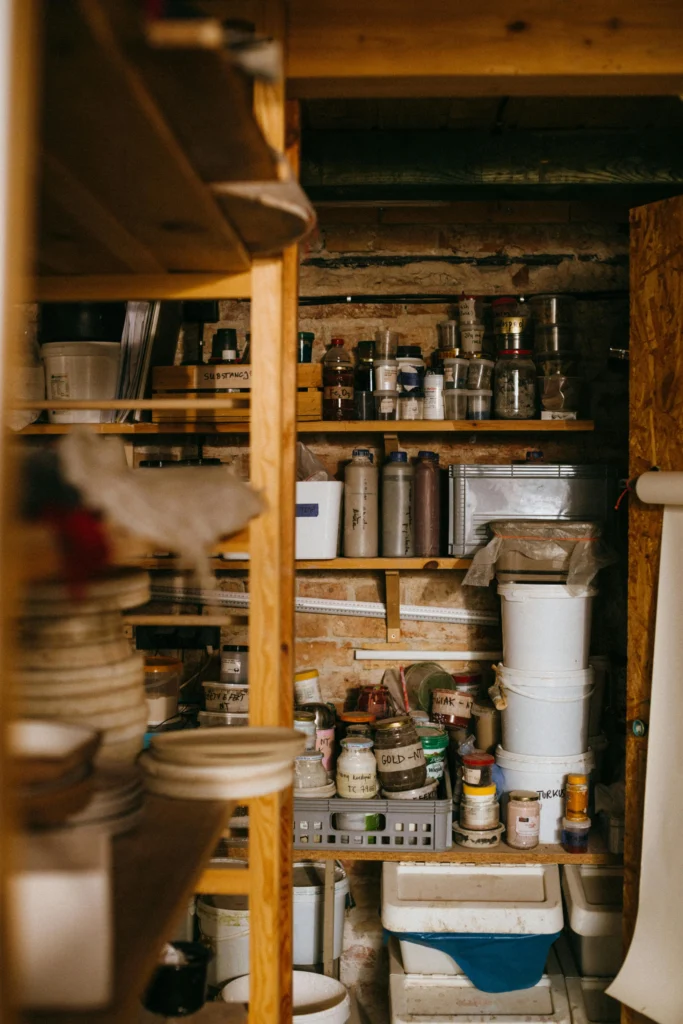
Pantry clutter is rarely caused by a lack of space, more often, it arises from disorganized systems that don’t align with daily habits and routines. When groceries are placed wherever they fit without a clear strategy, items can easily get buried, forgotten, or overlooked, often leading to duplicate purchases, expired food, unnecessary waste, and daily frustration. Storage solutions that aren’t suited to how the pantry is actually used such as placing small items on deep shelves, stacking mismatched containers, or cramming goods into tight corners further complicate access and encourage disorder.
Even a carefully arranged pantry can quickly fall into chaos without consistent upkeep. Establishing a simple maintenance routine regularly reviewing inventory, rotating stock, wiping down shelves, and resetting containers helps the pantry retain its structure and functionality. By combining thoughtful placement, appropriate storage solutions, and ongoing attention, your pantry can remain efficient, organized, and easy to use, making meal prep smoother, grocery shopping smarter, and overall kitchen management far less stressful.
Start With a Pantry Reset
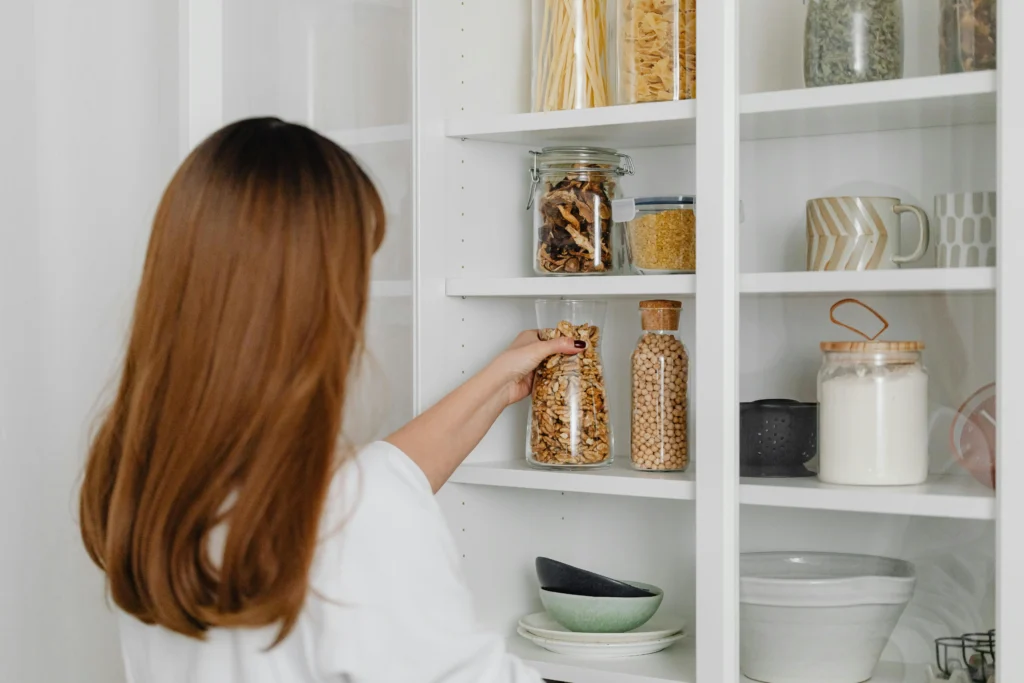
Before adding new storage tools, the first step is to reset your pantry completely, giving yourself a clean slate and a clear understanding of what you have. Start by removing all items from shelves, which not only makes cleaning easier but also allows you to see the pantry’s full potential. As everything is cleared out, carefully check expiration dates, discarding anything past its prime and considering donating unopened products you no longer use.
Next, group similar items into logical categories such as baking supplies, canned goods, snacks, breakfast items, and cooking essentials. This categorization provides a roadmap for how your pantry will function and ensures that any storage tools you add, bins, containers, or racks, actually support daily routines instead of creating temporary fixes. By starting fresh and establishing clear groupings, you create the foundation for a pantry that is both organized and efficient, making meal prep, grocery shopping, and everyday cooking far easier and less stressful.
Create Pantry Zones That Make Sense
Zoning your pantry is one of the most effective strategies for maintaining long-term organization and preventing clutter from creeping back in. By creating clearly defined zones, you ensure that every item has a designated home, which makes it easier to find what you need and return it to its proper place.
Start with a daily-use zone at eye level, where the ingredients you reach for most like salt, pepper, oils, and frequently used condiments are readily accessible during meal prep. This reduces the need to shuffle items around and keeps your workflow smooth. Next, establish a cooking and baking zone, grouping together flours, sugars, spices, oils, and other staples. Keeping these items together streamlines cooking and baking routines, saving time and minimizing frustration.
A dedicated snack zone helps contain treats in one visible, accessible area without letting them spill into other sections, which prevents clutter and makes it easier for the whole family to find what they want. Finally, create a long-term storage zone for bulk items, backup supplies, and seasonal ingredients. These can be placed on higher shelves or in less accessible areas since they aren’t needed daily, keeping prime space free for everyday essentials.
By thoughtfully zoning your pantry, you create a system where items are organized by function and frequency of use, making the space intuitive, efficient, and far easier to maintain. Over time, zoning reduces daily stress in the kitchen, keeps clutter at bay, and ensures that your pantry supports your household’s needs seamlessly.
Smart Storage Containers That Reduce Clutter
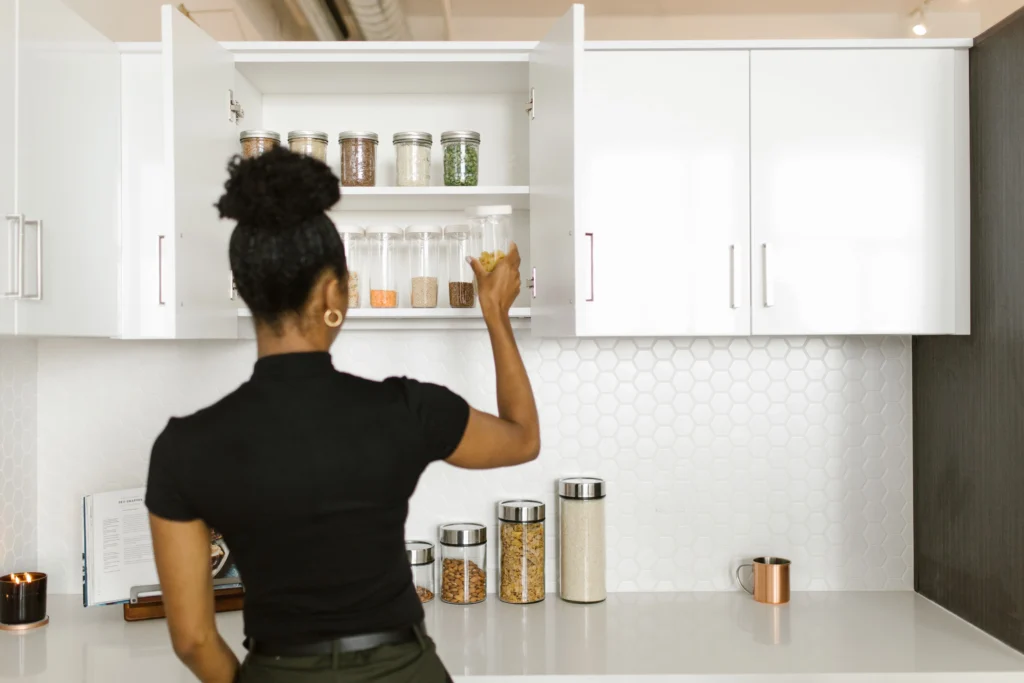
The right containers can truly transform a pantry from chaotic to effortlessly organized, turning everyday food storage into a system that is cleaner, more accessible, and easier to maintain. Clear, airtight containers are especially effective because they allow you to see contents at a glance, reduce the chance of overbuying, and help preserve freshness by protecting food from air, moisture, and pests. When these containers are uniform in shape and size, they also maximize shelf space, creating a visually clean layout that’s easy to keep organized.
Stackable bins are another pantry essential, particularly for snacks, packaged foods, or loose items like produce and baking supplies. They keep similar items contained while allowing you to pull out one bin without disrupting the rest of the shelf. This makes everyday access simple and prevents small items from being pushed to the back and forgotten.
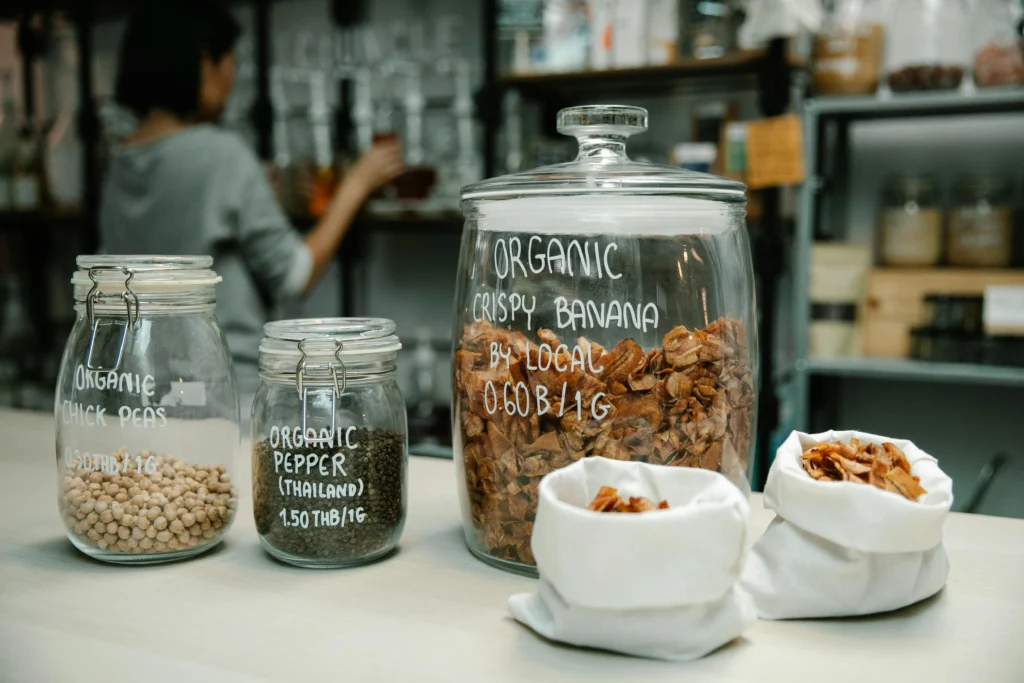
Finally, labeling everything from jars and bins to shelves adds clarity and consistency to the system. Labels help every member of the household know exactly where items belong, which reduces clutter and makes it easier to maintain order over time. Together, the right containers and clear labeling create a pantry that functions smoothly, looks intentional, and supports your daily routines with minimal effort.
Use Vertical Space Effectively
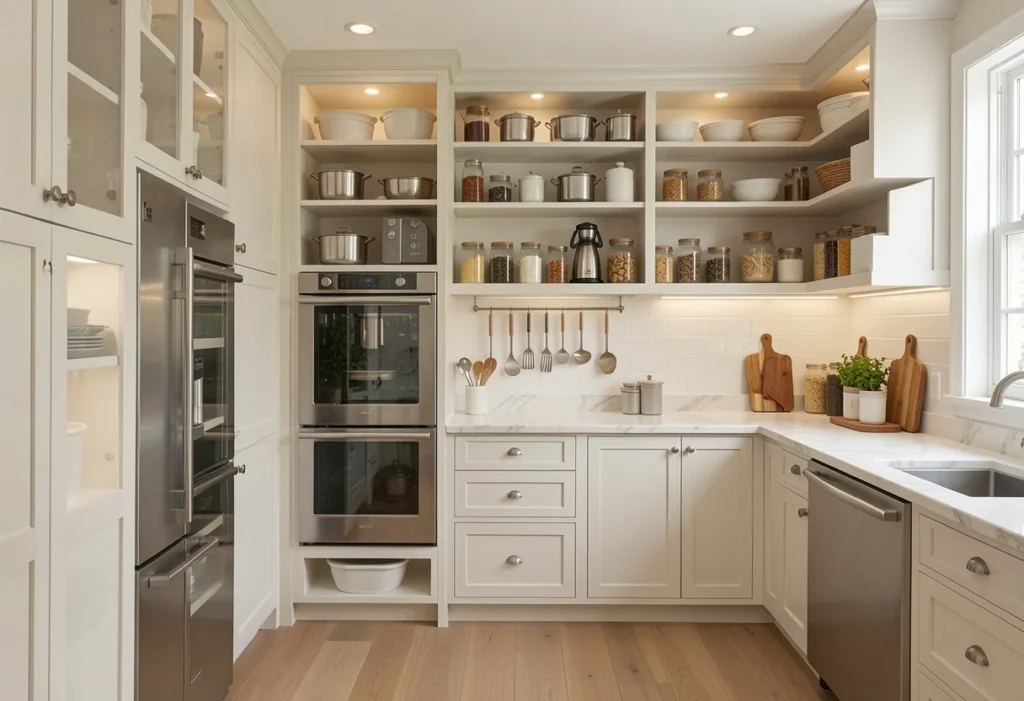
Vertical space in a pantry is often overlooked, yet it holds tremendous potential for increasing storage capacity and improving overall accessibility. When vertical areas are left unused, valuable space is wasted and shelves below become overcrowded. Adjustable shelving solves this problem by allowing you to reposition shelves as your storage needs evolve. Whether you’re accommodating tall bottles, bulk staples, or smaller containers, adjustable shelves prevent awkward gaps and help every item fit comfortably without stacking or cramming.
Shelf risers add another layer of efficiency by creating tiered visibility on deep shelves. Canned goods, jars, and spices are easier to see and reach when items are staggered rather than stacked, reducing the chance of forgotten products expiring at the back. This simple upgrade dramatically improves both organization and daily usability.
Hanging storage further extends vertical functionality. Hooks, under-shelf baskets, or hanging racks can hold lightweight items such as reusable grocery bags, measuring cups, small snack packs, or paper goods. These additions keep frequently used items accessible while freeing up shelf space for larger pantry staples. By thoughtfully using vertical space from top to bottom, your pantry becomes more efficient, visually balanced, and far easier to maintain over time.
Pantry Door Storage Hacks
The back of your pantry door is an often-overlooked storage area that can dramatically increase usable space with minimal effort, especially in smaller or tightly packed kitchens. Slim door racks are ideal for spices, condiments, or small jars, keeping items clearly visible and within reach while freeing valuable shelf space for larger pantry staples. Over-the-door baskets work well for snacks, packets, or other lightweight items that are frequently used, transforming unused vertical space into practical, easy-access storage that reduces shelf congestion. To keep this area functional long-term, clear labeling is essential, it helps everyone in the household know exactly where items belong, prevents overcrowding, and maintains consistent organization. When used thoughtfully, pantry door storage enhances accessibility, supports daily routines, and keeps shelves uncluttered and efficient.
Deep Pantry Solutions That Prevent Overcrowding
Deep pantries often hide items out of sight, leading to forgotten products, duplicate purchases, and wasted space that quickly turns into clutter. Pull-out drawers solve this issue by bringing everything forward, allowing you to access items at the back without shifting or stacking other products, which saves time and reduces frustration. Lazy Susans are especially effective for deep or corner shelves, letting oils, sauces, and jars rotate smoothly into view so nothing is overlooked. Categorized bins further improve efficiency by grouping similar items such as baking supplies, snacks, or canned goods so everything has a clear home and retrieval is quick and intuitive. Together, these solutions transform deep, awkward pantry spaces into highly functional, accessible storage zones that are easy to maintain.
Small Pantry Hacks That Maximize Space
When pantry space is limited, every inch counts, making thoughtful and intentional storage solutions essential for maintaining order and usability. Narrow containers are especially effective in small pantries because they fit neatly into tight spaces, reduce wasted gaps, and keep dry goods visible and easy to access. Vertical dividers further improve efficiency by allowing baking sheets, cutting boards, trays, and even flat cookware to stand upright, preventing stacks from toppling and eliminating the need to pull everything out to reach one item. Multi-purpose storage solutions, such as stackable bins, modular containers, or adjustable organizers, add valuable flexibility, these pieces can be rearranged, expanded, or repurposed in cabinets or drawers as your storage needs change. By combining these smart strategies, even the smallest pantry can feel more spacious, organized, and functional, supporting daily routines without unnecessary clutter.
Pantry Organization for Busy Households
For busy families, a well-organized pantry does far more than improve appearance, it saves time, reduces daily stress, and helps meals come together smoothly. Creating kid-friendly zones on lower shelves with clearly labeled bins allows children to access snacks and simple ingredients safely and independently, encouraging responsibility while keeping the pantry orderly. Using transparent containers throughout the space improves visibility, so everyone can quickly see what’s available, reducing forgotten items, last-minute grocery runs, and accidental duplicate purchases. To keep the system working, a simple weekly reset routine is essential. Taking a few minutes to straighten shelves, return items to their designated zones, and remove anything expired or out of place prevents clutter from building up. With these habits in place, the pantry remains functional, efficient, and easy to manage, even during the busiest weeks.
Maintain a Zero-Clutter Pantry Long-Term
Pantry organization becomes truly effective when combined with simple, consistent habits that are easy to maintain over time. Practicing the first-in, first-out method by placing newly purchased items behind older ones helps ensure food is used before it expires, saving money and reducing waste. A quick monthly pantry check makes a big difference—remove expired or stale products, wipe down shelves, and confirm that items are still in their designated zones to keep everything clean and functional.
Keeping a simple running inventory of staples and frequently used items adds another layer of efficiency. Whether it’s a small notepad, a phone note, or a shared app, knowing exactly what you have on hand prevents duplicate purchases and unnecessary clutter. These small, repeatable routines work together to support smoother grocery trips, easier meal planning, and a pantry that stays organized, accessible, and stress-free every single day.
How an Organized Pantry Improves Daily Life
A clutter-free pantry offers advantages that go far beyond just looking tidy. Faster meal preparation becomes possible when ingredients are easy to find, saving valuable time during busy mornings or rushed weeknight dinners. With everything visible and within reach, you spend less time searching and more time cooking with confidence.
Reduced food waste is another major benefit, as clear organization prevents items from being forgotten at the back of shelves and expiring unnoticed. Better grocery planning naturally follows when you know exactly what you already have, helping you avoid duplicate purchases, stick to your budget, and shop more intentionally. Most importantly, an organized pantry creates a calmer, more functional kitchen environment, one that brings a sense of control and ease to your daily routines, making cooking and meal planning feel simpler and more enjoyable.
Pantry Storage Trends That Support Clutter-Free Kitchens
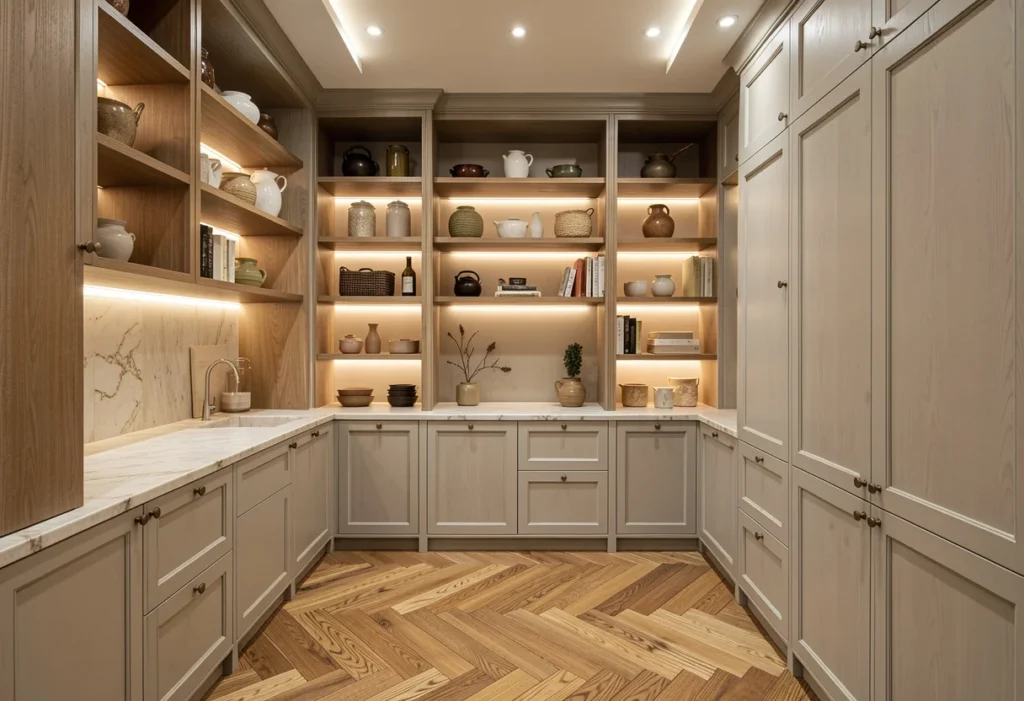
Modern pantry organization emphasizes flexibility, efficiency, and a clean, streamlined aesthetic that supports everyday living. Modular storage systems with adjustable shelves, pull-out drawers, and stackable bins make it easy for your pantry to adapt as your household needs change, whether you’re stocking up on bulk goods, accommodating specialty items, or rotating seasonal ingredients. This adaptability ensures the space remains functional rather than restrictive.
A focus on minimal visual clutter further enhances usability. Uniform containers, concealed storage solutions, and clear, consistent labeling create a sense of order and calm, transforming the pantry into an inviting space instead of an overwhelming one. Thoughtful zoning plays a key role as well, assigning dedicated areas for daily staples, baking supplies, snacks, and long-term storage. By replacing random shelving with intentional layouts, modern pantry design saves time, reduces stress, and makes meal preparation smoother and more enjoyable.
The Long-Term Value of Smart Pantry Storage
Effective pantry organization goes beyond a one-time cleanup, it’s about building a lasting system that supports your daily routines and reduces stress in the kitchen. When every item has a clear, designated place, maintaining order becomes almost second nature. Snacks, ingredients, and cooking essentials are easy to locate, and clutter no longer creeps onto countertops or overflows into surrounding cabinets.
Over time, this intentional approach transforms the pantry into a dependable, highly functional space. Meal prep becomes faster and more efficient, food waste is minimized, and grocery shopping feels more controlled and purposeful. By aligning your pantry setup with how your household actually cooks, eats, and shops, a once chaotic storage area becomes a central hub of kitchen efficiency that works for you every single day.
A truly clutter-free kitchen starts with a pantry designed to support real-life habits instead of relying on temporary fixes. By incorporating smart storage solutions, clearly defined zones, and durable, easy-to-use containers, you create a system that stays organized long after the initial setup. Begin by resetting your pantry, choosing tools and containers that fit your routine, and establishing simple habits to keep every item in its proper place.
When your pantry operates efficiently, the benefits ripple throughout the entire kitchen. Meal prep becomes quicker and more seamless, clutter is significantly reduced, and the space feels calmer, more functional, and enjoyable to use every single day. A well-organized pantry doesn’t just store food, it transforms your kitchen into a hub of efficiency and ease. Set an appointment now!