A well-organized home office is more than just a spot to place a laptop, it’s the foundation for productivity, focus, and professional efficiency. As remote and hybrid work become part of everyday life, the way your workspace is designed directly affects how you think, plan, and perform. A cluttered desk or overflowing shelves quietly drain attention, slow decision-making, and make even simple tasks feel heavier than they should.
Storage plays a powerful role in shaping that experience. When your supplies, files, technology, and personal items each have a defined place, your mind stays clearer and your workflow becomes smoother. Instead of searching for chargers, papers, or notebooks, you move effortlessly from one task to the next. The room begins to support your habits rather than compete with them.
This blog explores essential storage elements, smart layout strategies, and organization techniques that help your home office work as hard as you do. Whether you’re setting up a dedicated room or carving out a workspace in a multipurpose area, these ideas will help you create an office that feels professional, calm, and genuinely inspiring to use every day.
Why Storage Matters in a Home Office
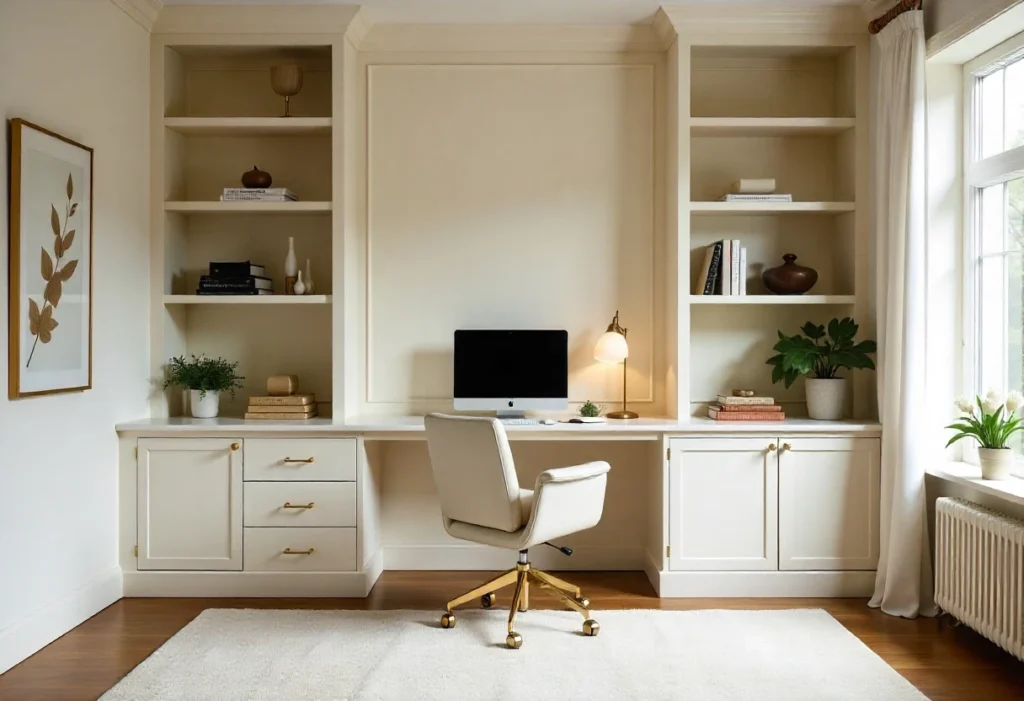
Clutter does far more than make a room look messy, it quietly undermines productivity, focus, and confidence. Disorganized desks, stuffed drawers, tangled cables, and stacks of loose papers compete for your attention every time you sit down to work. Your brain has to process all that visual input before it can even begin concentrating. With smart storage in place, your space starts working for you instead of against you. Clear, intentional organization helps you focus on important tasks, reduce stress and visual noise, and prevent misplaced documents, tools, and accessories that slow your momentum.
Efficient storage also saves one of your most valuable resources: time. When every item has a designated home, you no longer waste minutes hunting for files, chargers, notebooks, or office supplies. Instead, your workflow becomes smoother and more predictable. You move quickly from planning to execution, which keeps your energy focused on real work rather than constant micro-interruptions.
Beyond productivity, good organization supports a strong professional presence. A tidy, thoughtful home office creates a calm background for video calls and virtual meetings, minimizing visual distractions for clients and coworkers. It quietly communicates reliability, preparation, and attention to detail, qualities that matter just as much on screen as they do in a traditional office.
Essential Furniture for Home Office Storage
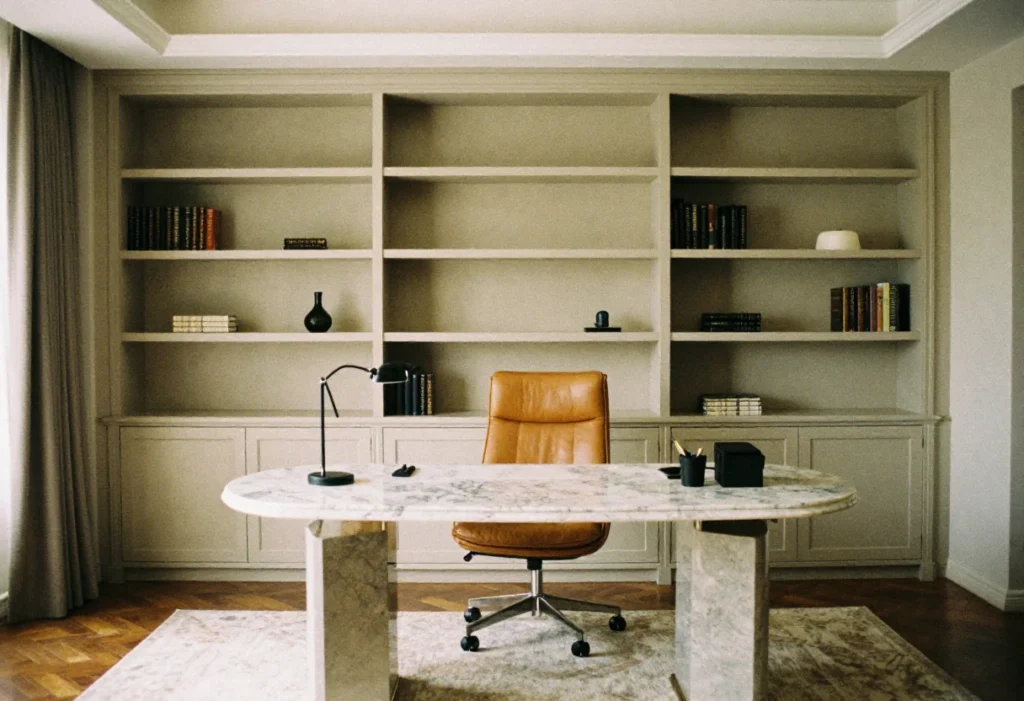
Desks With Built-In Storage
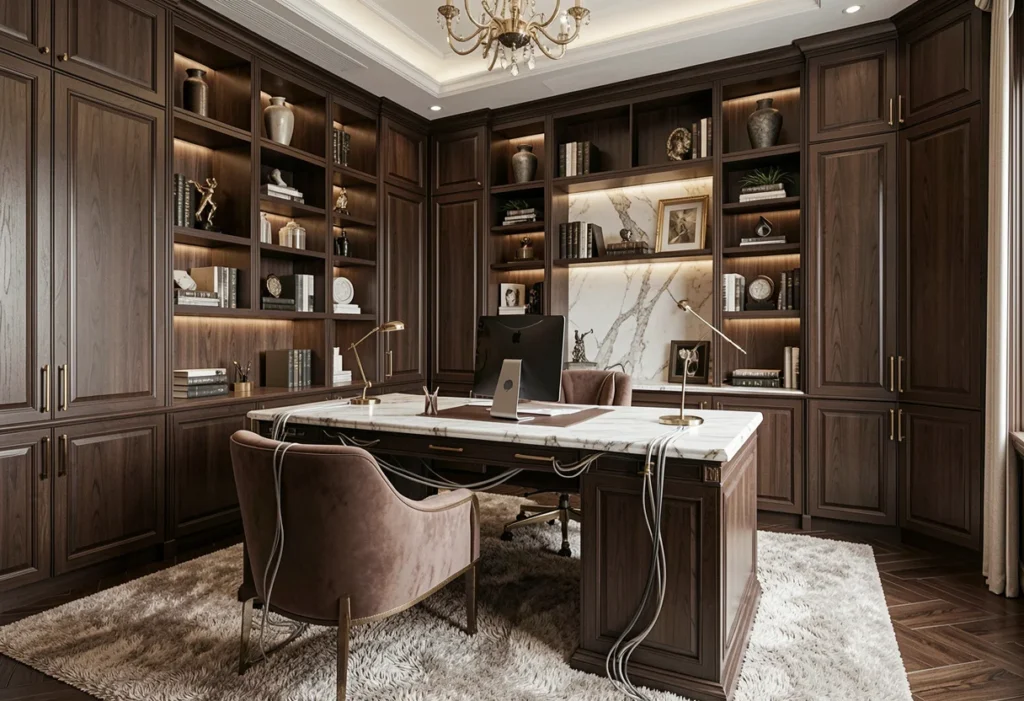
Your desk is the command center of the home office, so it should do more than hold a laptop. Desks with built-in storage help control clutter while keeping daily tools within reach. Drawers are ideal for pens, notebooks, planners, and small devices you use constantly. Cable compartments or grommets hide charging cords and prevent messy tangles behind monitors. Integrated shelves give space for reference books, binders, or décor without crowding your work surface.
The goal is a clean desktop that still supports efficiency. When essentials live inside the desk instead of on top of it, your workspace feels calmer and more professional, making it easier to focus for long periods.
Filing Cabinets and Drawers
Even in a digital world, paperwork still plays a role in contracts, invoices, manuals, and personal records. Filing cabinets prevent piles of paper from taking over your office. Vertical cabinets work well in tight rooms, while lateral cabinets offer wider drawers for high-volume filing. Adding a clear labeling system keeps documents easy to retrieve so you never dig through random stacks.
For sensitive materials, lockable drawers provide security for financial documents, client records, or personal files. Organized filing reduces stress, speeds up workflows, and keeps important paperwork protected and accessible.
Open Shelving Units
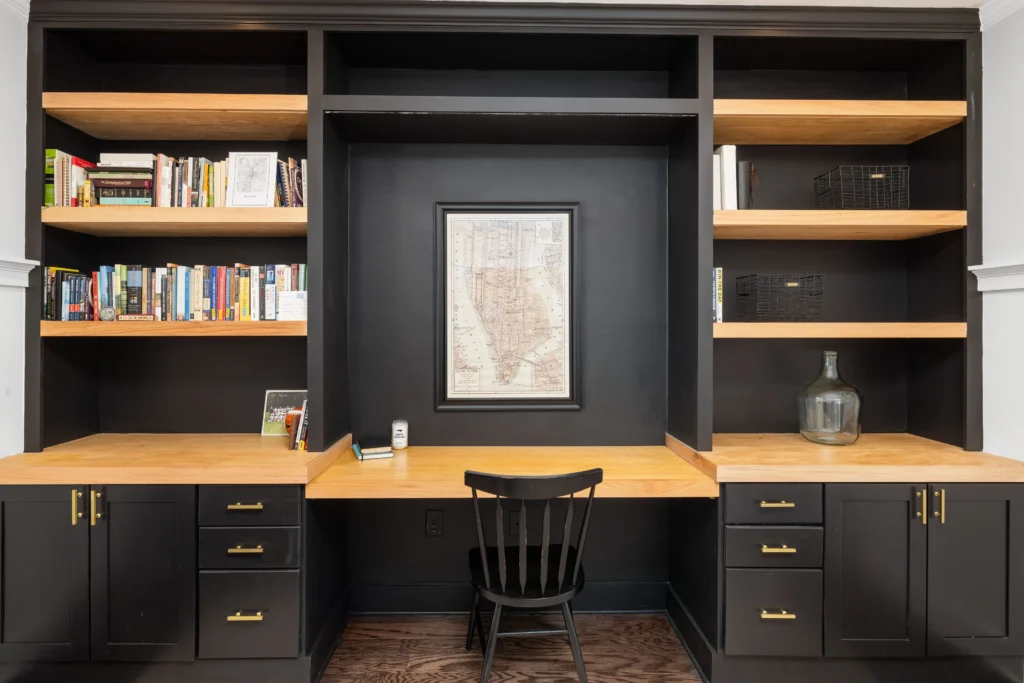
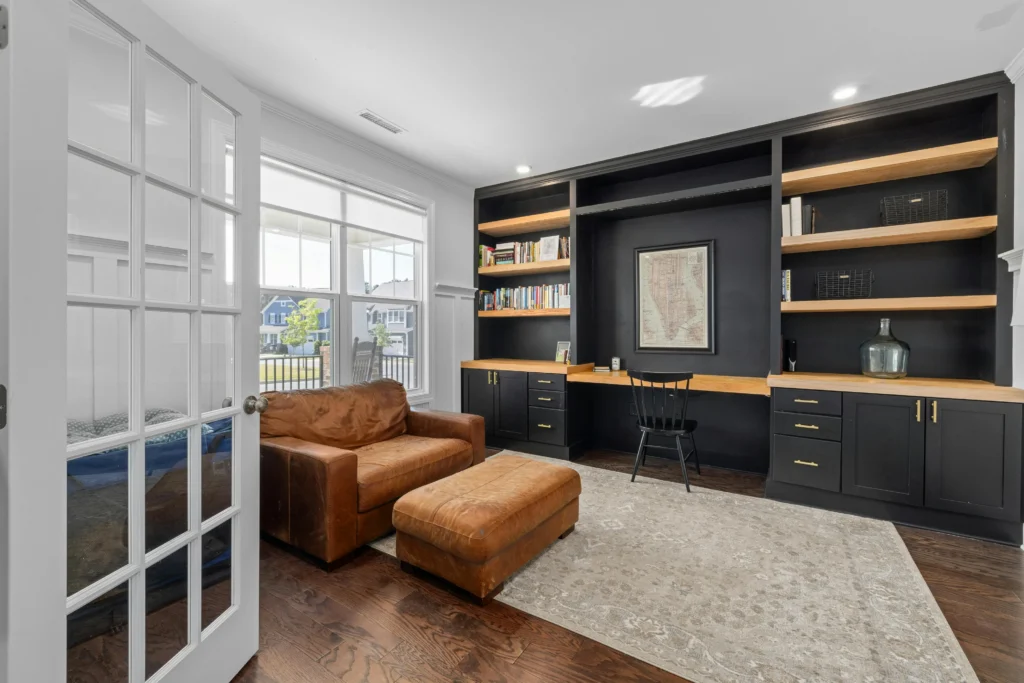
Open shelving adds both storage and personality to a home office. These shelves are perfect for books, printers, décor, plants, and framed certificates that give the room character without feeling cluttered. To keep the look polished, use baskets, bins, or boxes for small items like cables, stationery, and extra supplies.
Visually balanced shelves make the space feel intentional rather than chaotic. By mixing practical storage with decorative elements, your office becomes both functional and welcoming, helping you enjoy spending time there.
Mobile Storage Carts
Mobile storage carts bring flexibility to modern home offices, especially when the room serves more than one purpose. With wheeled designs, you can roll supplies next to your desk while working and push them aside when you need open floor space. They’re great for storing printers, paper, art materials, files, or tech accessories.
These carts support changing workflows without permanent clutter. Whether your office becomes a guest room, craft space, or study area after hours, mobile storage adapts without disrupting the layout, keeping your workspace organized and versatile.
Organizing Technology and Electronics
A productive home office depends on more than furniture, it requires clean, safe, and efficient power and cable control. Loose cords not only look messy, but they also create tripping hazards and make desks harder to clean. Using cable trays or clips mounted under the desk keeps wires suspended and out of sight. Velcro straps or twist ties bundle related cords together so they don’t tangle, while labeled cables help you identify chargers quickly when switching devices or troubleshooting connections.
Storage Solutions for a Small Home Office
Making the most of your home office isn’t just about what fits on the floor, it’s about how well you use every inch of available space. Strategic storage keeps the room feeling open while still supporting daily workflow.
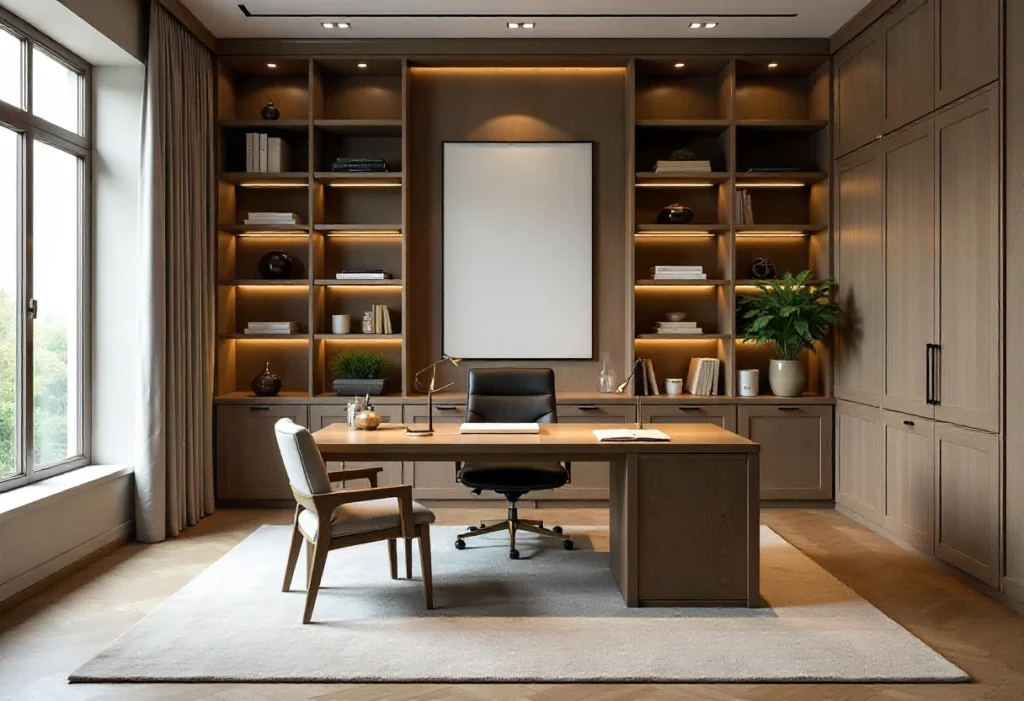
Vertical storage is one of the most effective ways to increase capacity without crowding the room. Tall shelving units take advantage of wall height for books, binders, décor, and storage boxes. Wall-mounted racks and floating shelves keep essentials visible but off the desk, while pegboards for office supplies provide flexible storage for headphones, scissors, chargers, and frequently used tools. This approach frees valuable workspace and keeps items easy to reach.
Multi-functional furniture is especially useful in compact offices. Desks with built-in drawers reduce the need for extra cabinets, while bookshelves with lower cabinets combine display space with hidden storage. Storage ottomans, credenzas, and filing benches serve more than one purpose, helping the room stay uncluttered without sacrificing practicality.
Under-desk storage keeps the footprint light while increasing organization. Rolling carts and low-profile bins slide neatly beneath most desks and can store printers, paper reams, backup drives, or peripherals. Because they’re mobile, you can pull them out when needed and tuck them away again, keeping floors clear and walkways open while maintaining quick access to daily tools.
Together, vertical solutions, multifunctional furniture, and under-desk systems create a home office that feels spacious, efficient, and easy to maintain, even in smaller rooms.
Home Office Zones for Maximum Efficiency
An organized home office works best when each part of the room has a clear purpose. Instead of letting items spread randomly, dividing the space into simple zones helps streamline workflow, reduce clutter, and improve focus throughout the day.
Work Zone
The work zone centers around your desk and chair, the command hub of your office. This area should stay clean and distraction-free. Keep only true essentials on the desktop, such as your computer, a notebook, a pen holder, and a task lamp. Store everything else in drawers or nearby shelving. Limiting what lives on the desk improves concentration, gives you room to work comfortably, and prevents visual overload during long work sessions.
Position your monitor, keyboard, and lighting for good ergonomics, and leave enough open space for writing, planning, or reviewing documents without constantly shifting items around.
Storage Zone
The storage zone supports the work area by holding everything that doesn’t need to sit on the desk. Filing cabinets, shelves, drawers, and labeled boxes belong here. Group similar items together, office supplies in one section, files in another, tech accessories in a separate container, so you’re never hunting for what you need.
Use vertical shelving for binders and décor, drawers for paperwork and small tools, and closed cabinets to hide visual clutter. When storage is organized by category, daily tasks feel faster and less frustrating.
Reference and Inspiration Zone
The reference and inspiration zone adds personality and motivation without disrupting productivity. This is the place for books, planners, framed quotes, plants, awards, or creative materials that support your work. Use a shelf, pinboard, or a small wall section to keep these items visible but controlled.
Having reference tools within reach saves time, while personal touches keep the space warm and energizing. The key is balance, enough inspiration to stay motivated, but not so much that it becomes distracting.
Maintaining Your Home Office Storage System
Even the best storage system won’t stay effective without consistent habits. A functional home office depends on small routines that prevent clutter from creeping back in and overwhelming your space. Instead of waiting for chaos, regular maintenance keeps your workflow smooth and stress-free.
Start with regular decluttering. Schedule short weekly or monthly check-ins to scan your drawers, shelves, and desktop. Remove outdated documents, recycle unnecessary papers, and toss broken or unused supplies. This is also the time to evaluate whether your current storage tools are still working for you. As your job changes, your organization system should adapt with it.
Next, adopt a “return-to-home” habit for everything you use. Every item in your office should have a designated spot. When you finish with a notebook, charger, or folder, return it immediately instead of letting it pile up. This single practice prevents surfaces from becoming dumping grounds and keeps your space consistently ready for work.
Finally, manage seasonal and project-based storage intentionally. Certain items only matter part of the year, such as tax documents, holiday planners, or special project files. Store these in clearly labeled boxes or drawers and rotate them in and out as needed. By keeping only relevant materials in daily reach, your office stays lean, focused, and easy to navigate year-round.
Safety Considerations for Home Office Storage
Secure heavy shelves to walls to prevent tipping
Tall bookcases and shelving units can become unstable when loaded with books, files, or equipment. Anchoring them to wall studs keeps furniture from shifting, leaning, or falling if bumped. This is especially important in homes with children, pets, or rolling chairs that may accidentally hit storage units. Proper anchoring protects both people and valuable equipment.
Keep electrical cords safely tucked away
Loose cables not only look messy but also create tripping hazards and risk damage to devices. Use cable trays under desks, clips along walls, or cord sleeves to bundle and guide wires neatly. Keeping cords organized reduces wear, prevents accidental unplugging, and makes cleaning around the desk much easier.
Avoid overloading drawers and cabinets
Every storage unit has weight limits. Overstuffed drawers strain slides and hinges, causing them to stick, sag, or break over time. Distribute heavy files evenly and avoid stacking dense items all in one place. Well-balanced storage lasts longer and opens smoothly, keeping your office safe and functional.
Store sensitive materials in lockable storage if needed
If your work involves contracts, financial documents, or personal data, use lockable drawers or cabinets. This protects information from curious visitors, children, or pets and adds a layer of professional responsibility to your workspace. Secure storage supports privacy, organization, and peace of mind.
Common Home Office Storage Mistakes
- stacking papers without filing
- keeping unnecessary items on the desk
- ignoring cable management
- failing to label bins and drawers
- not using vertical space
Avoiding these errors saves time and improves daily productivity.
In Conclusion
A functional home office is built around smart storage. From desks with drawers to wall-mounted shelving, mobile carts, and labeled bins, every item should have a place. Thoughtful storage reduces stress, improves workflow, and ensures that remote work becomes efficient, comfortable, and enjoyable.
Your home office should make work easier, not harder. By implementing organized storage systems, you can reduce clutter, stay focused, and create a professional workspace that actually works for you. Whether you need shelves, cabinets, or smart desk organizers, the right setup makes all the difference. Take action today and make your home office a space where productivity and calm coexist seamlessly.