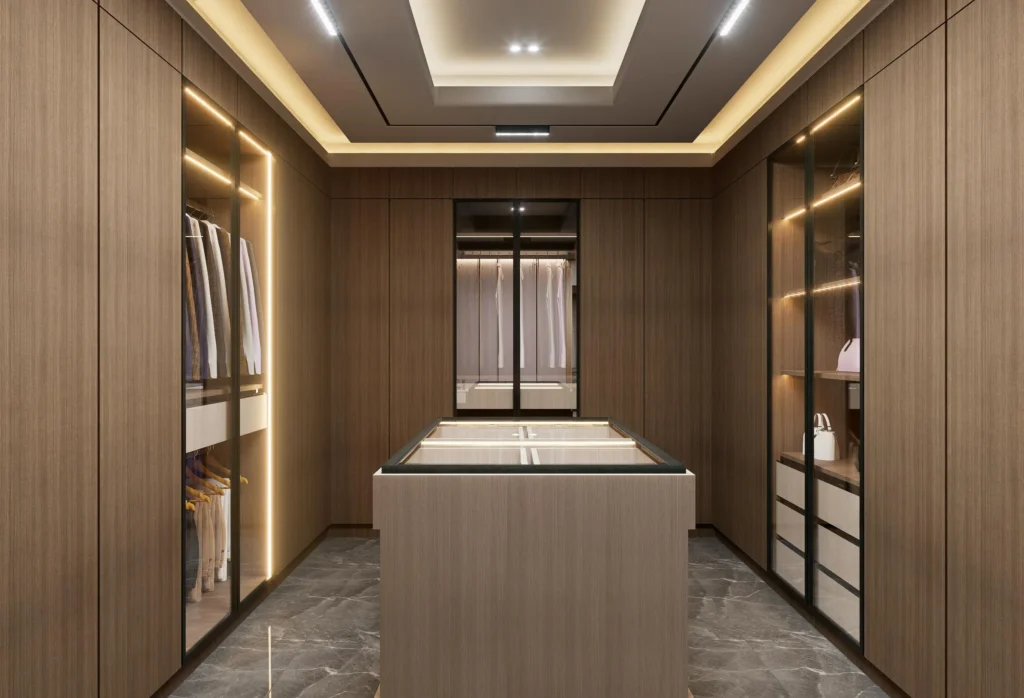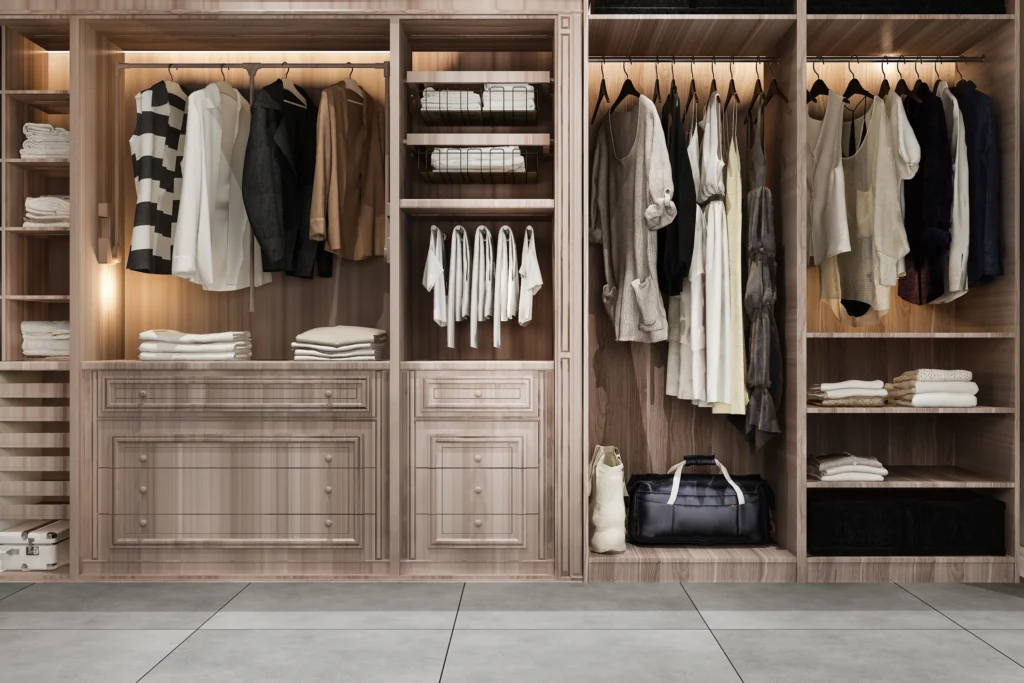
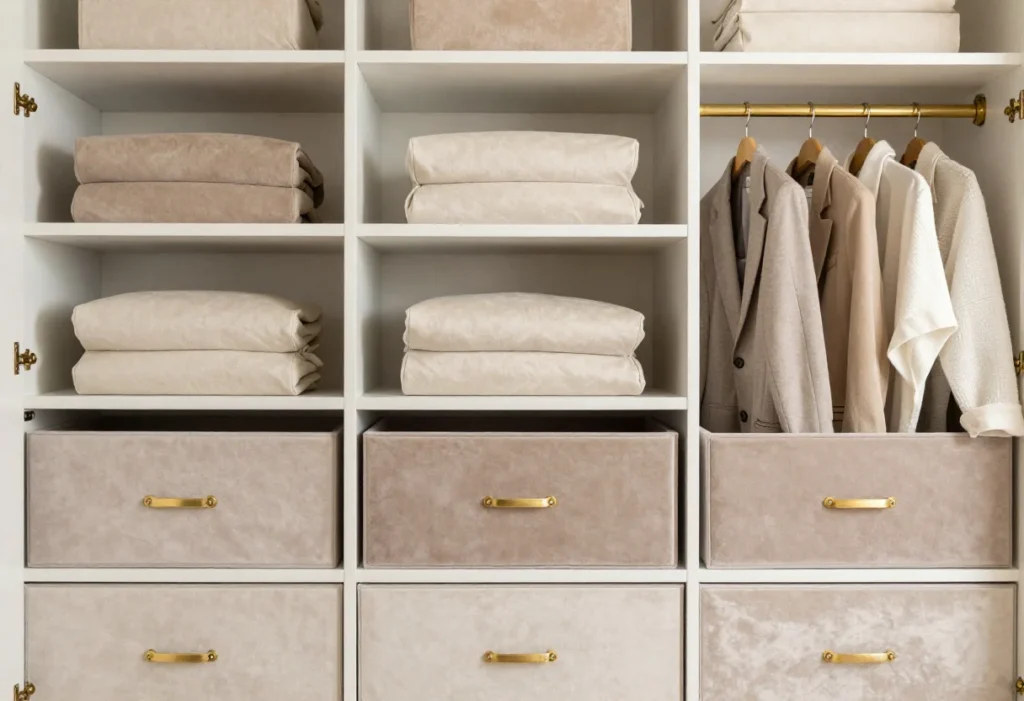
A clean closet does more than make your wardrobe look neat, it influences your mood, your habits, and even how your brain responds to stress. Many people underestimate the emotional impact of cluttered spaces, yet both research and everyday experience show that what surrounds us directly shapes how we think, feel, and move through our day. When your closet is chaotic, your morning starts with friction. When it’s organized, your day begins with clarity. A well-designed, well-maintained closet doesn’t just save time, it creates a sense of calm, confidence, and control that carries into everything you do.
Closets are often the first space you interact with each morning and one of the last you see at night. If that space feels overwhelming, rushed, or visually noisy, it quietly adds stress before your day even begins. On the other hand, an organized closet offers simplicity and flow. You see your options clearly, move efficiently, and feel supported by your environment instead of fighting against it. That mental relief may seem small, but repeated daily, it builds healthier routines and a more grounded mindset.
At St. James Closets, our approach blends thoughtful design with psychological insight so your storage solutions do more than hold belongings, they actively enhance wellbeing. We believe organization should support how you live, not just how things look. In this article, we’ll explore why organized spaces matter, how cluttered closets affect emotions and daily habits, and practical strategies you can use to create and maintain order that truly supports your lifestyle, productivity, and peace of mind.
How Our Brains Respond to Clutter

Clutter creates more than physical mess, it creates mental strain through cognitive load, visual stress, and decision fatigue. When a closet is disorganized, your eyes are forced to constantly scan, sort, and search for what you need, which makes the brain work harder just to process basic visual information. That extra effort triggers low-level stress and quietly drains your mental energy before the day even begins. On top of that, overflowing shelves and tangled clothing present too many competing choices at once. Instead of selecting an outfit with ease, your brain filters through chaos, leading to decision fatigue, a condition where repeated, unnecessary decisions reduce focus, patience, and motivation.
Research also shows that cluttered environments can weaken working memory, the mental system responsible for holding and using information in real time. When your space is messy, your brain is constantly interrupted. When it’s structured, distractions fade, thinking becomes clearer, and your mind has room to function efficiently rather than reactively.
The Emotional Impact of a Clean Closet

An organized closet does more than store clothing, it creates a powerful sense of control that shapes how your day begins. When your space is structured and predictable, your brain interprets that order as stability, making life feel less overwhelming from the start. A clean closet signals that things are manageable, which naturally boosts confidence and emotional readiness. At the same time, removing clutter reduces sensory overload. Instead of being greeted by piles, mismatched hangers, and visual noise, you step into a calm environment that lowers anxiety and quiets mental tension.
This sense of ease also fuels motivation. When your closet is well-designed and functional, getting dressed becomes simple and even enjoyable rather than stressful. That small win at the beginning of the day removes friction, builds momentum, and helps you approach the rest of your schedule with a clearer, more positive mindset.
Practical Psychology: How Organized Closets Improve Daily Life
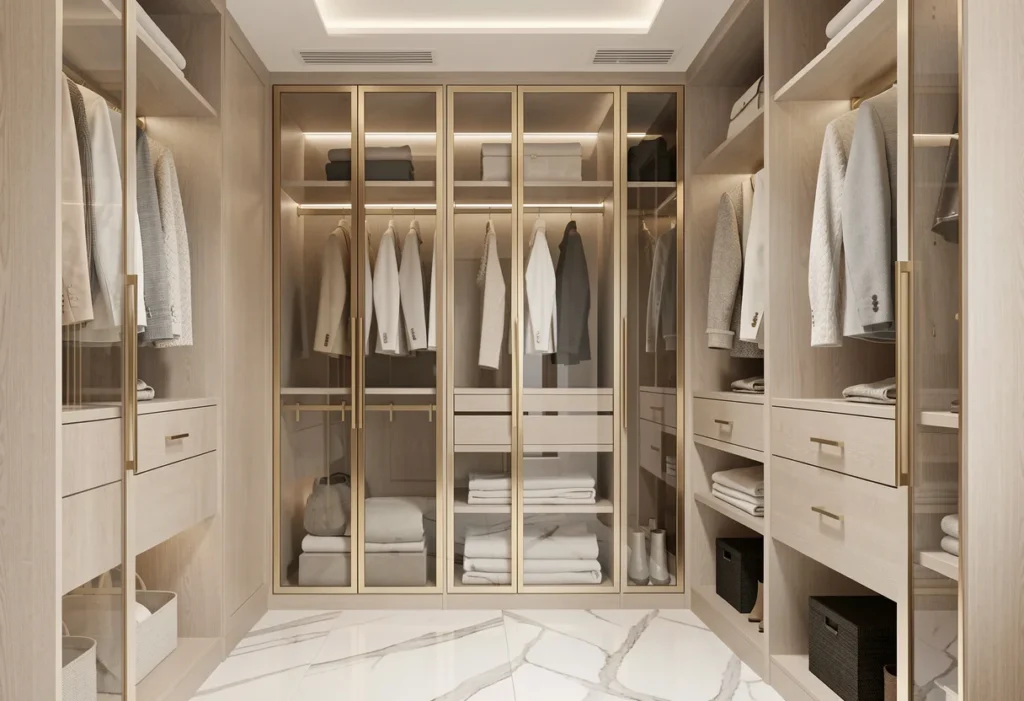
An organized closet plays a quiet but powerful role in shaping daily habits and routines. When your wardrobe is clear and intentional, mornings become faster and more focused. Instead of wasting time sorting through clutter, you can make simple decisions quickly, reducing stress and building momentum early in the day. The benefits continue at night as well. A well-kept closet eliminates late-evening rummaging and frustrating searches that disrupt your wind-down time. When every item has a designated place, finding what you need takes seconds instead of minutes. Beyond convenience, smart organization improves long-term wardrobe management.
By grouping clothing by season, category, or use, you see what you actually own, avoid forgetting favorite pieces, and make more thoughtful outfit choices. This visibility also reduces impulse buying and unnecessary duplicates, turning your closet into a system that supports efficiency, savings, and everyday ease.
Designing a Closet That Supports Well-Being
Organizational psychology is not just about neatness, it’s about intentional design that aligns with how you think, move, and function every day. When storage is built around real human behavior, spaces stop feeling stressful and start working with you instead of against you. A well-designed closet begins with clear zoning: separating everyday essentials, workwear, seasonal pieces, and accessories into logical areas. These zones create predictability, so your brain no longer searches aimlessly for items and instead moves automatically from one section to another. Using vertical space with tall shelving and stacked storage further enhances this sense of order by maximizing room without cluttering horizontal surfaces; the clean lines help the brain interpret the space as calm and structured.
Dedicated drawer systems with dividers reduce visual noise and make small items easier to find, supporting memory and faster decision-making. Including seating or bench space adds purpose to the layout, creating a natural spot for putting on shoes or planning outfits. Together, these design elements transform organization into a habit, making your closet not just tidy, but intuitive, efficient, and emotionally supportive.
Closet Lighting and Mood
Lighting plays a powerful role in how a closet feels and functions, and the best designs balance both natural and artificial sources. Closets benefit most from lighting that mimics natural daylight because it improves color accuracy and reduces eye strain when selecting outfits, helping you see fabrics and tones as they truly are. Task lighting, such as LED strips inside shelves, drawers, and hanging areas, adds focused visibility so items are easy to find without digging or misplacing things, which minimizes visual overwhelm and frustration. Beyond visibility, lighting also influences mood. Warm, softer light creates a calm, inviting atmosphere, while brighter illumination supports efficiency and precision.
By combining ambient comfort lighting with practical task lighting, your closet becomes not only highly functional, but also a pleasant, emotionally supportive space you enjoy using every day.
Decluttering: The First Step Toward Emotional Clarity
Effective closet organization starts with how you sort, not just where you store. Grouping like items together such as shirts with shirts, jackets with jackets, and accessories with accessories immediately creates visual logic, which your brain interprets as order and resolution instead of chaos. To make the process easier, many professionals use the four-box method: keep, donate, store elsewhere, and repair. This system removes emotional hesitation by giving every item a clear destination, so decisions feel intentional rather than overwhelming.
Adding seasonal rotation further refines your space by lightening the visual and physical load of your closet. By keeping only weather-appropriate pieces within reach and storing off-season clothing elsewhere, you simplify daily choices, prevent overcrowding, and maintain a clean, breathable layout that supports calm and efficiency all year long.
The Role of Custom Closet Solutions
Not all closets function the same way, which is why custom design makes organization feel intuitive instead of forced. When storage is tailored to how you actually use your belongings, daily routines become easier and more natural. Thoughtful shelving heights, properly placed hanging rods, and well-planned drawer configurations reduce friction by making items simple to access and just as easy to return. This supports habits that keep spaces tidy without constant effort. Quality materials also play an important role in long-term organization. Durable shelving, smooth-glide drawers, and carefully chosen hardware create systems that perform reliably every day, removing the small frustrations that often lead to clutter over time.
When everything works as it should, the closet becomes a supportive environment rather than a source of stress. Most importantly, integrated custom systems are designed with visibility and accessibility in mind, which limits the chances for disorder to take hold. Instead of reacting to mess, a well-designed closet anticipates needs, protects against overflow, and quietly maintains structure so your space stays calm, efficient, and beautifully functional.
How a Clean Closet Encourages Smart Habits
A clean, well-designed closet naturally encourages better habits and long-term organization. When everything has a clear place, it becomes easier to establish simple routines such as putting laundry away right after it’s washed, returning shoes to their assigned spaces, and folding or categorizing clothes on a regular schedule. These small, repeatable actions support order without requiring extra effort. At the same time, an organized closet reduces procrastination. Disorganized spaces tend to make even minor tasks feel overwhelming, but a clean environment lowers that mental barrier. Getting dressed, maintaining order, and making adjustments feel manageable instead of stressful, which reduces the urge to delay.
An organized closet also encourages mindful consumption. When you can clearly see what you already own, you’re less likely to buy duplicates or impulse items that add clutter. Instead, your purchasing decisions become intentional, helping prevent overcrowding and supporting a wardrobe that feels curated, functional, and easy to maintain.
Real People, Real Results
At St. James Closets, clients consistently share how transforming their closets changes more than just their storage, it changes their daily experience. After organizing their spaces, many say they feel noticeably calmer in their routines, with mornings that flow more easily and fewer moments of frustration. Choosing outfits takes less time because everything is visible, accessible, and placed with intention, eliminating the stress of searching through clutter. Clients also find that their closets stay neat longer with far less effort, since well-designed systems encourage natural habits instead of constant cleanup.
This is the true intersection between environment and psychology: organization that actively supports the way you live, think, and move each day, rather than storage that simply hides mess. By exploring custom closet ideas at StJamesClosets.com, you can begin designing systems that work with your lifestyle, simplify routines, and create spaces that feel calm, functional, and genuinely supportive.
Your closet’s impact goes far beyond fabric and hangers, it influences how smoothly your day unfolds. When your storage system supports clarity and simplicity, you gain time, reduce stress, and experience a calmer home. If you’re ready to experience how thoughtful closet design can improve your daily routines and mood, let’s start the conversation. Contact St. James Closets today to design a closet system that feels as good as it looks, one that truly supports the way you live.