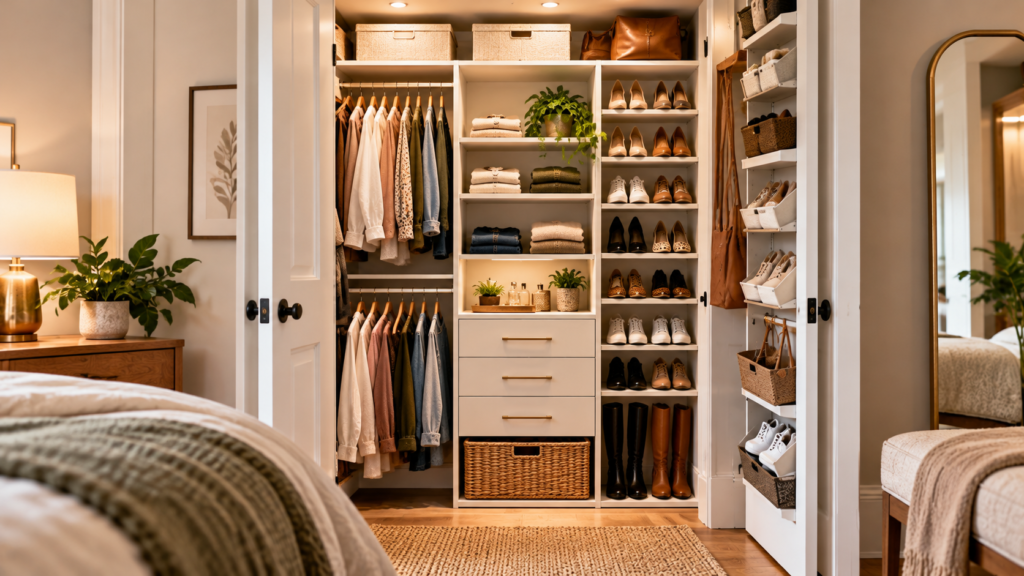
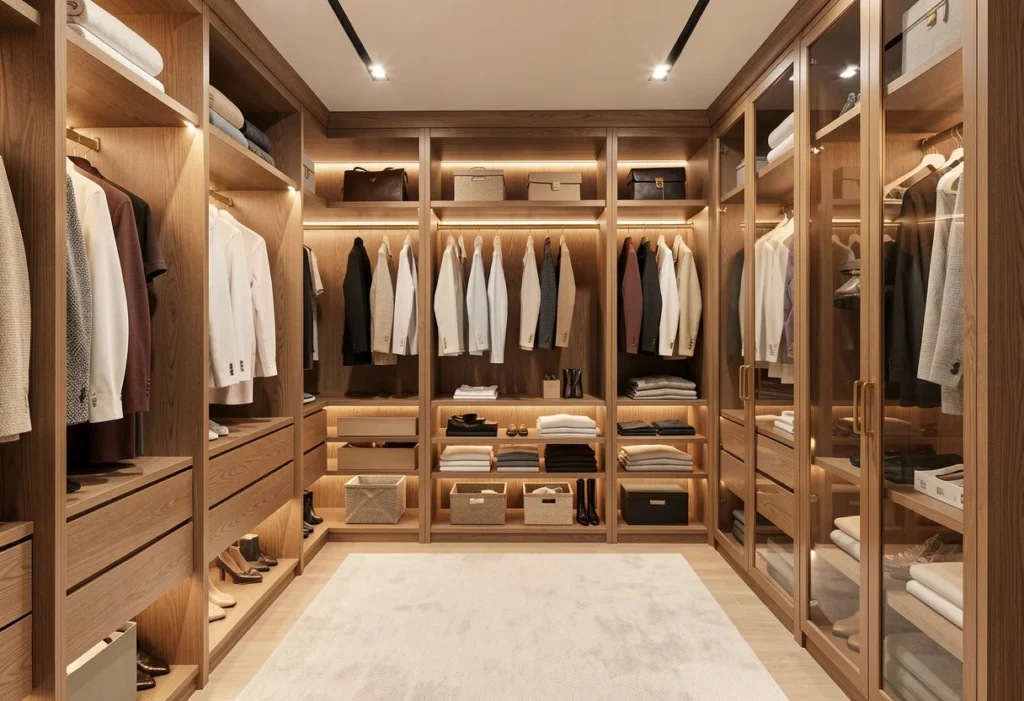
Incorporating smart closet tips into your home can be truly transformative, helping you streamline your wardrobe, save time, and experience less stress each day. The minimalist approach to closets is not about deprivation or owning less for the sake of it, but about thoughtful curation: keeping the pieces you genuinely use, love, and feel confident wearing, while letting go of excess that no longer serves your lifestyle. A streamlined closet supports faster dressing decisions, reduces visual clutter, and creates a calm, intentional start to every day.
At St. James Closets, we design storage systems that align with minimalist principles while honoring how you actually live, work, and move through your space. Instead of forcing habits, our designs support them. In this article, we explore practical minimalist wardrobe strategies, smart storage design principles, step-by-step organizing methods, and sustainable habits that bring clarity, functionality, and lasting order, not chaos, to your closet and your routine.
Why Minimalist Closets Matter
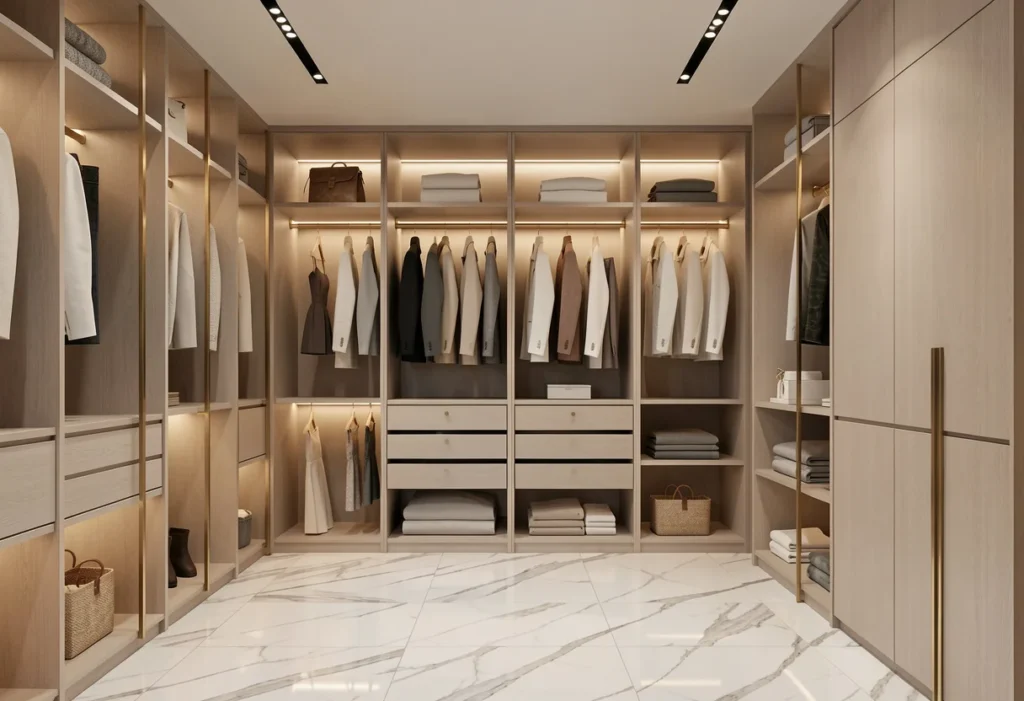
A minimalist closet simplifies daily decisions by removing the mental noise that comes from too many unfocused choices. Instead of scanning racks of rarely worn pieces, you see only what fits your lifestyle, body, and personal style, making getting dressed faster, easier, and more enjoyable. Reducing visual clutter also changes how the space feels. When items are arranged with intention, your closet feels open, calm, and welcoming rather than chaotic or cramped.
Minimalism doesn’t mean empty shelves, it means purposeful placement where every item has value and a reason to be there. At the same time, a curated wardrobe improves management. With fewer, better-organized pieces, you stop losing shirts under piles, avoid mismatched outfits, and gain confidence in what you own. A streamlined closet allows you to truly see, access, and use your wardrobe instead of fighting against it every morning.
The Core Principles of Minimalist Closet Design
Keep What You Wear
Evaluating your wardrobe starts with honesty, not nostalgia. Instead of keeping pieces because of memories, guilt, or the hope that you might wear them someday, focus on how often you actually use each item. Clothing should support your real life, not a version of life you rarely live. When you assess items based on wear frequency, patterns become clear, you quickly see what belongs in your everyday rotation and what simply occupies space.
A helpful method is organizing clothes into clear wear-frequency categories. Daily rotation pieces are the items you reach for week after week and should stay front and center for easy access. Occasion wear includes outfits for special events that don’t need prime space but still deserve proper storage. Seasonal pieces rotate in and out depending on weather and lifestyle needs, keeping your closet light and relevant. Finally, items to release are those no longer serving you, clothing that doesn’t fit, feels outdated, or hasn’t been worn in a long time. By structuring your closet around actual use, not assumption, you create a system that stays organized naturally and supports a truly minimalist routine.
Prioritize Versatility
Minimalist closets prioritize versatility over volume. Instead of owning many single-purpose pieces, the focus shifts to items that work across multiple settings and seasons. Layering staples like lightweight sweaters, neutral jackets, and adaptable tops allow you to adjust outfits as temperatures and occasions change. Transition-season wear bridges gaps between summer and winter, reducing the need for excess clothing while keeping your wardrobe functional year-round.
Basics that mix easily also become the backbone of a minimalist closet. When colors, cuts, and fabrics coordinate naturally, getting dressed becomes effortless and intentional. A single shirt might work for work, casual outings, or travel simply by changing accessories or layers. By choosing multi-role pieces, your closet stays streamlined, your outfits feel cohesive, and every item earns its place through regular, flexible use rather than occasional appeal.
Edit Before You Store
Storage systems should support what remains after thoughtful editing, not compensate for excess. Organization works best when it highlights what you truly use, rather than hiding what you don’t. A minimalist closet isn’t about squeezing everything into a space, but about creating breathing room so each item is visible, accessible, and easy to return to its place.
When storage is designed around a curated wardrobe, shelves don’t overflow, rods aren’t crowded, and drawers close effortlessly. Instead of fighting clutter with more containers, the system reinforces simplicity. This approach keeps your closet functional and calm, ensuring that storage enhances daily routines rather than masking habits that lead to accumulation.
Step-by-Step Guide to Declutter Your Closet
| Step 1: Empty Your Closet | Remove everything from your closet so you can clearly see the full volume of what you own. Laying items out on the bed or floor creates instant awareness and breaks the illusion that “it’s not that much.” This visual reset is the first step toward conscious assessment, allowing you to recognize patterns, duplicates, and forgotten pieces before putting anything back. By starting with a blank space, you give yourself the clarity needed to rebuild your closet with intention rather than habit. |
| Step 2: Evaluate Items | Ask yourself a few honest questions as you evaluate each piece: Does this item truly fit your body today? Do you wear it regularly, or does it stay on the hanger out of habit? And when you look at it, does it create a sense of ease or quiet stress? Clothing should support your lifestyle, not complicate it. Pieces that no longer serve your daily routines, comfort, or confidence can be thoughtfully donated, sold, or recycled, making space for items that actually earn their place in your closet. |
| Step 3: Create Intentional Categories | Organize garments into clear groupings such as tops, bottoms, outerwear, activewear, formalwear, and accessories. Categorizing items this way improves visibility and makes your closet easier to understand at a glance. When everything has a logical place, you spend less time searching and more time confidently choosing, turning daily dressing into a smooth, stress-free routine rather than a rushed decision process. |
| Step 4: Return With Purpose | Place items back into a system that supports how you actually use your wardrobe, not one that recreates chaos. Store everyday pieces at eye level and within easy reach, while seasonal or occasional items live higher or farther back. When placement mirrors real habits, your closet stays organized naturally, because returning items feels intuitive instead of forced. |
Design Your Closet Around Function
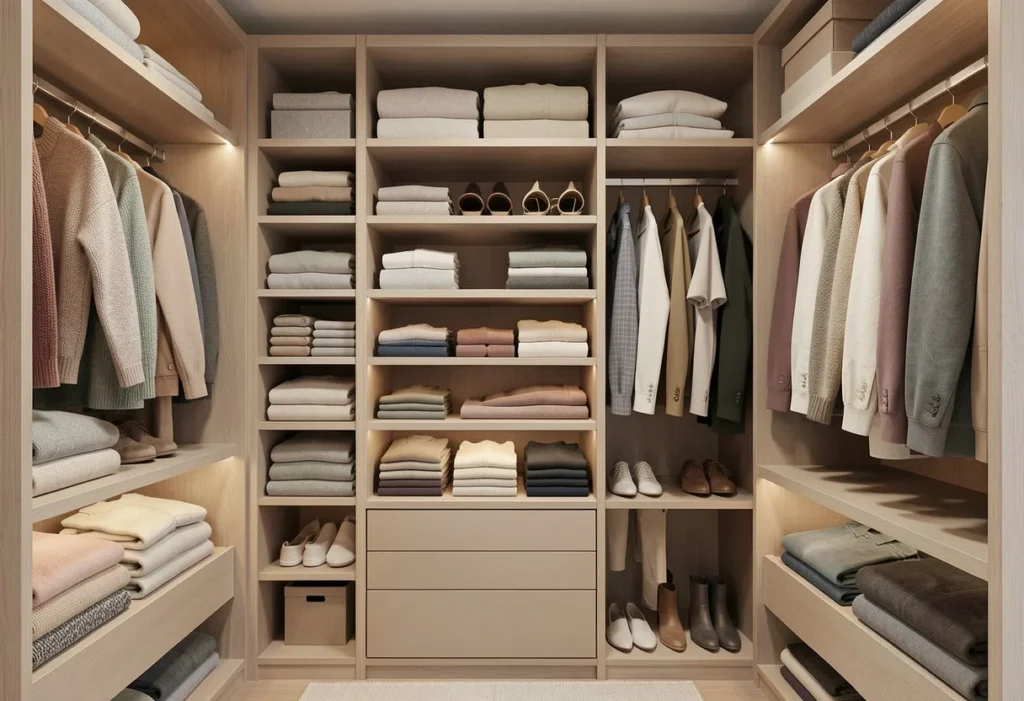
Creating distinct zones in your closet transforms it from a cluttered storage space into a functional, stress-free environment. Everyday items, the pieces you reach for most often, like tops, bottoms, and activewear, should be placed at eye level and within easy reach, making outfit selection quick and effortless. Seasonal clothing, such as heavy coats in summer or swimwear in winter, can be stored higher, deeper, or in less accessible sections, keeping your daily essentials uncluttered and focused. Occasion wear, formal attire, or rarely used pieces deserve their own dedicated space, ensuring they remain protected, organized, and easy to find when needed.
By thoughtfully zoning your closet according to use, you not only streamline your daily routine but also create a visually harmonious space that supports calm, efficiency, and mindful wardrobe management.
Closet Organization Systems That Support Minimalism
In a well-organized closet, every storage element serves a purpose and adapts to your changing needs. Adjustable shelves allow you to create customized spacing as your wardrobe grows or shifts with the seasons, preventing wasted vertical space or forced stacking that leads to clutter. Drawer dividers keep folded items like t-shirts, undergarments, and sweaters neatly separated, reducing chaotic piles and making each item easy to locate. Hanging solutions, including double rods, garment hooks, and multi-tier hangers, maximize vertical space while keeping clothes visible and accessible. For smaller accessories, labeled bins and containers provide designated homes for scarves, belts, hats, and other items, preventing them from scattering across shelves and maintaining a tidy, functional closet that simplifies daily routines.
Prioritize Quality Over Quantity
Minimalist closets emphasize quality over quantity, encouraging investment in durable clothing and storage solutions that stand the test of time. Choosing well-made garments reduces wardrobe turnover, keeps your collection refined, and ensures that each piece serves a purpose for years. Similarly, storage elements like bins, racks, and shelving should be crafted from materials that feel intentional and cohesive with your space such as natural wood, matte finishes, or woven textiles. Quality storage not only enhances the aesthetic of your closet but also ensures longevity, making daily organization easier and supporting a minimalist approach that is both functional and beautiful.
Closet Lighting and Visibility
Good lighting is essential in a minimalist closet, as it directly supports quick, confident outfit decisions by improving visibility of colors, textures, and details. Incorporating task lighting such as built-in LED strips, motion-activated lights, or integrated shelf and drawer illumination ensures every item is easy to see and access, reducing frustration and misplacement. Equally important is choosing the right color temperature: soft, warm lighting creates a calming, inviting atmosphere, while bright white tones enhance clarity and precision when selecting outfits. By thoughtfully combining functional and ambient lighting, your closet becomes both efficient and pleasant, making daily dressing a seamless, stress-free experience.
Seasonal Rotation for Lasting Minimalism
Managing seasonal clothing effectively keeps a minimalist closet functional and clutter-free. Use high shelves, labeled bins, or dedicated storage areas to house items like winter coats, summer dresses, or specialty pieces that aren’t currently in use. When the seasons change, rotate your wardrobe slowly and consciously, taking the opportunity to reassess each item: Does it still fit? Do you wear it? This intentional approach prevents accumulation of forgotten pieces, ensures your everyday wardrobe remains accessible, and transforms seasonal transitions into moments of clarity and refinement rather than stress.
How St James Closets Can Help
At St. James Closets, we know that thoughtfully designed storage systems do more than hold belongings, they transform how you live in your home. Minimalist design isn’t about empty shelves or austere spaces, it’s about purposeful storage that supports your daily routines, reduces friction, and allows you to focus on what matters most. Our custom solutions are crafted to fit your lifestyle, featuring tailored closet systems that accommodate your wardrobe, adjustable shelving to evolve with your needs, custom drawers and accessories for small items, and integrated lighting that makes finding and organizing effortless.
By creating organized zones for daily essentials, seasonal wear, and special-occasion items, we help your closet work with you, not against you. Whether you’re beginning a minimalist journey or refining an existing wardrobe, our designs provide a natural, lasting foundation that simplifies your life and brings calm to your space. Explore minimalist closet solutions at stjamesclosets.com to discover ideas that truly fit your lifestyle.
it your life.
Minimalism for Different Wardrobe Types
For working professionals, closets should support efficiency and style. Focus on versatile basics, coordinated color schemes, and accessory organization that simplifies daily dressing routines. Dedicated zones for workwear, casual pieces, and formal attire ensure that selecting an outfit takes minimal effort, while thoughtfully designed storage for shoes, belts, and bags keeps essentials visible and easy to access.
Family closets benefit from structure and accessibility. Labeled zones, bins, and drawers help both adults and children find and return items easily. Lower shelves or hanging rods allow kids to reach their clothing, promoting independence and daily participation in tidying. Seasonal rotation and separate areas for shoes, outerwear, and school supplies keep the space organized even during busy mornings.
Students or those living in compact spaces need storage that maximizes every inch. Prioritize essentials and minimize excess, using vertical shelving, stackable bins, and multi-purpose hangers to keep belongings accessible yet compact. Clear zones for daily items, study supplies, and occasional clothing ensure that small closets feel spacious, functional, and easy to maintain.
Living with less doesn’t mean missing out, it means gaining clarity, ease, and intentionality. A minimalist closet creates space not only in your home but in your mind, making daily routines smoother and more grounded. At St. James Closets, we design tailored storage that reflects your needs and supports your lifestyle. Contact us today to explore minimalist closet solutions that keep you organized, calm, and ready for whatever each day brings.