Keeping kids’ snacks organized is one of the simplest yet most powerful ways to reduce daily stress in a busy household. From rushed school mornings to after-school hunger, weekend grazing, and late-night cravings, snacks are woven into everyday family life. Without a clear system, they quickly become scattered across cabinets, buried in pantries, or forgotten until they expire. The result is wasted food, frustrated kids, and parents constantly answering, “Where are the snacks?” A well-planned snack setup supports healthier choices, saves time, and keeps your kitchen feeling calm instead of chaotic.
An organized snack area also encourages independence. When kids can easily see and reach appropriate options, they’re more likely to make smart choices without constant supervision. Visibility prevents overbuying, accessibility reduces mess, and structure keeps routines flowing smoothly, even on the busiest days. Instead of digging through cluttered shelves, your family moves confidently through the kitchen with less friction and fewer interruptions.
At St. James Closets, storage design is about real life, how families move through their spaces, how children interact with storage, and how organization supports daily habits. In this guide, you’ll learn practical, family-friendly ways to organize snacks for visibility, accessibility, safety, and long-term ease. Whether you’re managing toddler treats, teen appetites, or a full house in between, smart snack storage can transform your kitchen into a space that works with your family, not against it.
Why Snack Organization Matters for Families
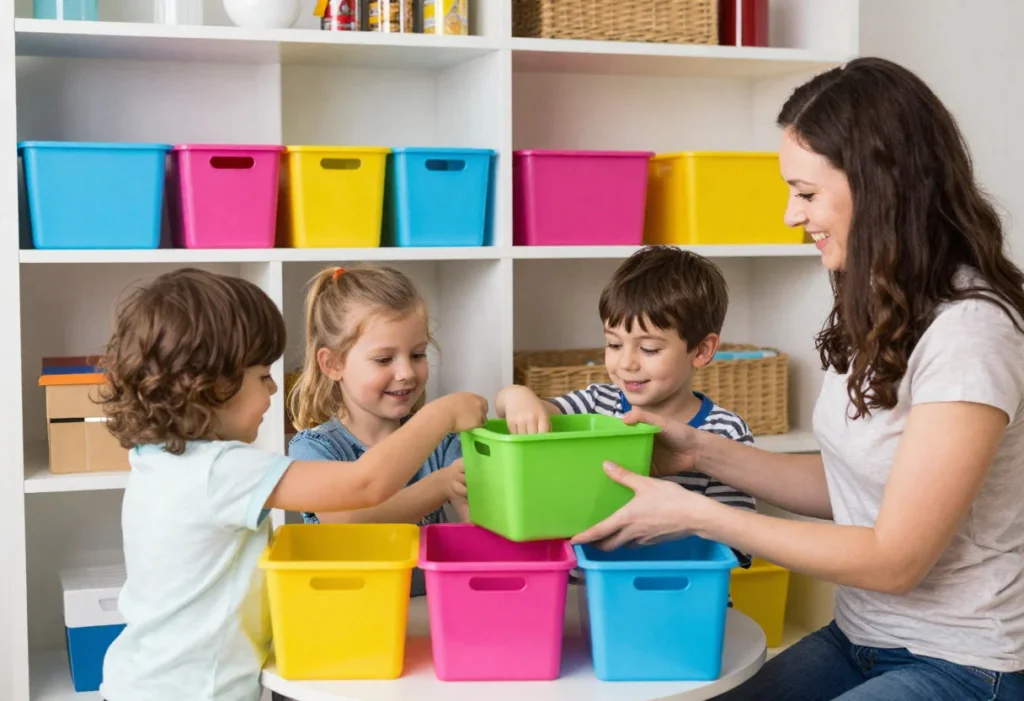
An organized snack system reduces daily friction throughout the home. When snacks are difficult to find, kids constantly ask for help, parents dig through crowded cabinets, and simple moments quickly turn stressful. Creating clear snack zones removes that struggle and encourages children to help themselves responsibly and independently. At the same time, visibility supports healthier choices, when nutritious options are easy to see and reach, kids naturally grab them instead of defaulting to less balanced alternatives hidden behind cluttered shelves.
Organization also protects your budget by preventing waste. Forgotten granola bars, expired crackers, and crushed packages quietly add up over time. With a structured system that supports rotation and accessibility, snacks are used before they spoil, saving money while keeping your pantry efficient, calm, and family-friendly.
Start With a Snack Inventory
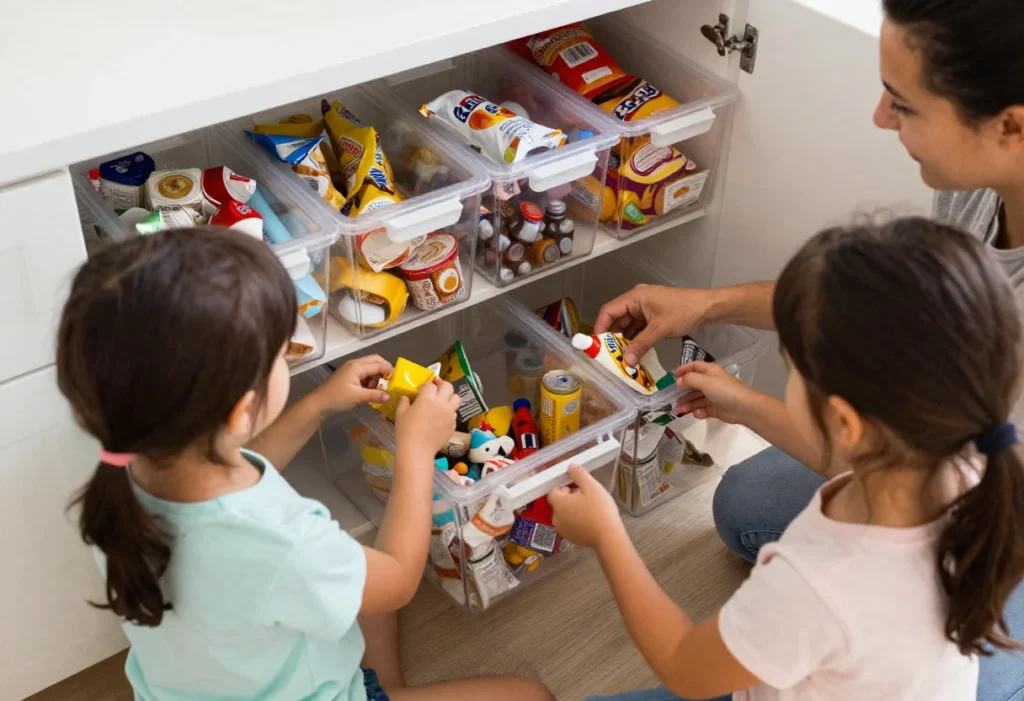
Before you organize kids’ snacks, start by clearing the space completely. Whether your snacks live in a pantry shelf, cabinet, drawer, or even a garage fridge, removing everything gives you a true picture of what you own and how much room you actually have. An empty surface creates clarity and prevents you from organizing on top of old clutter. As you sort, check expiration dates and packaging condition. Toss anything expired, crushed, sticky, or no longer enjoyed by your kids, keeping food that won’t be eaten only adds visual and mental noise to your kitchen.
Once you’ve edited, sort snacks by type to create an intuitive system. Group grab-and-go items, after-school treats, protein snacks, sweet options, and allergy-safe foods into clear categories. This structure makes placement easier, improves visibility, and helps both kids and parents find what they need without digging, guessing, or overbuying.
Create a Dedicated Snack Zone
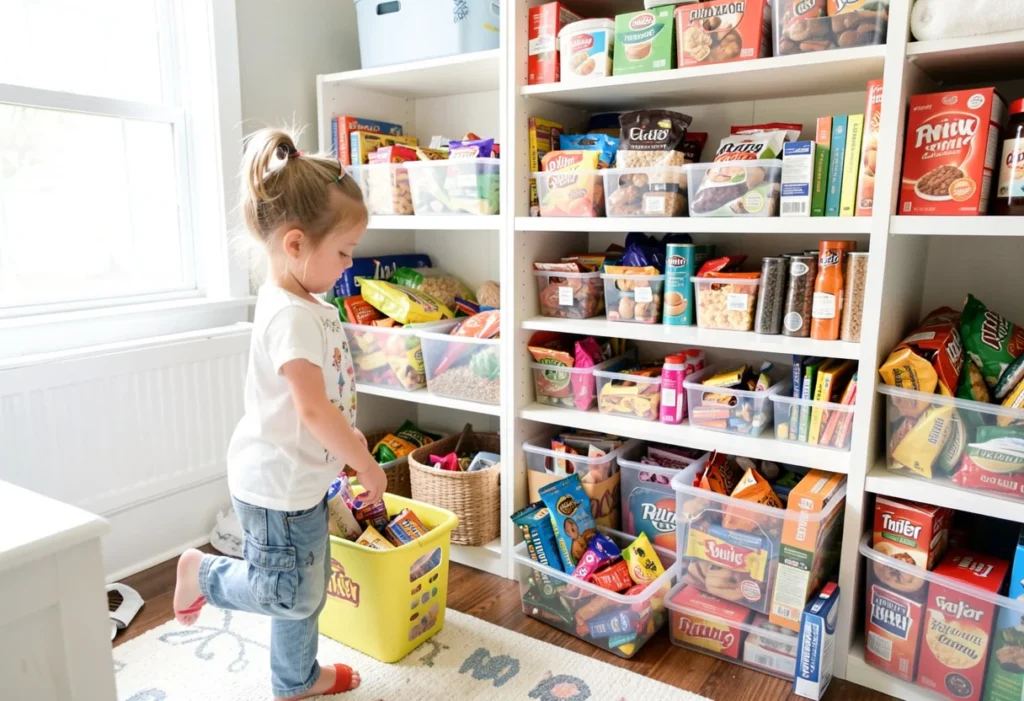
Choosing the right location is essential for a snack system that actually works. Snacks should live close to where kids naturally spend time, not tucked into hard-to-reach cabinets. Ideal spots include a lower pantry shelf, a kitchen cabinet, a drawer near the fridge, a mudroom cubby for grab-and-go moments, or even a dedicated fridge snack bin. Accessibility empowers kids to serve themselves safely without climbing, unpacking other shelves, or interrupting meal prep.
At St. James Closets, we often design pantries with child-friendly zones so snacks sit at kid height and stay visually contained. It’s also important to keep snack storage separate from cooking ingredients like flour, spices, and baking supplies. Separation prevents confusion, protects meal prep areas, and keeps snack routines fast, clean, and frustration-free for both parents and children.
Use Kid-Friendly Storage Systems
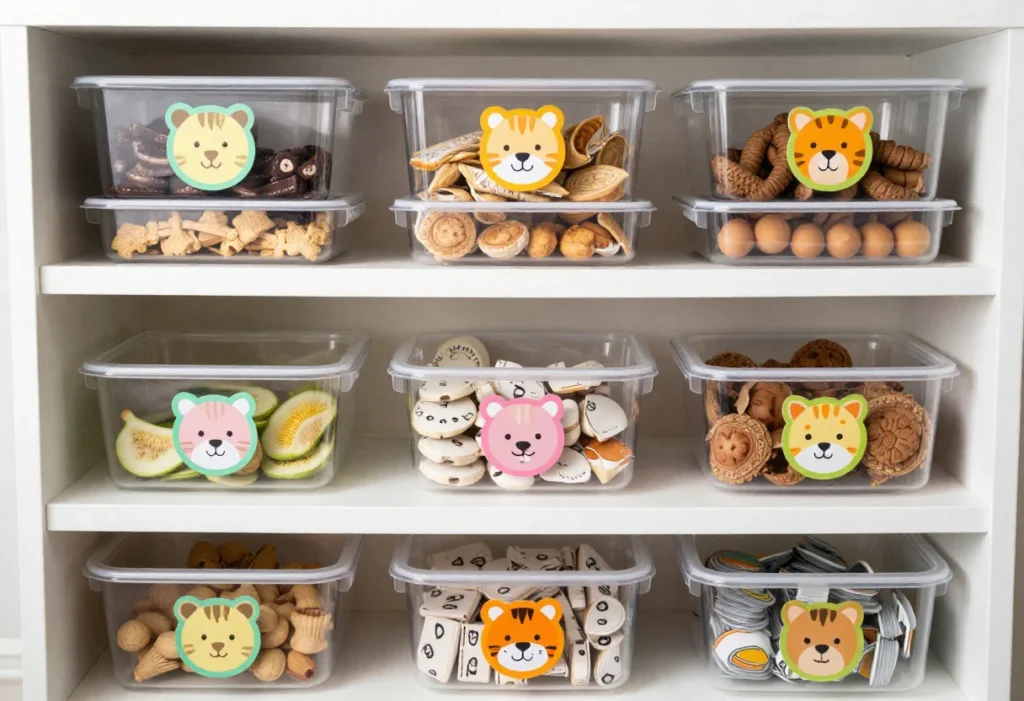
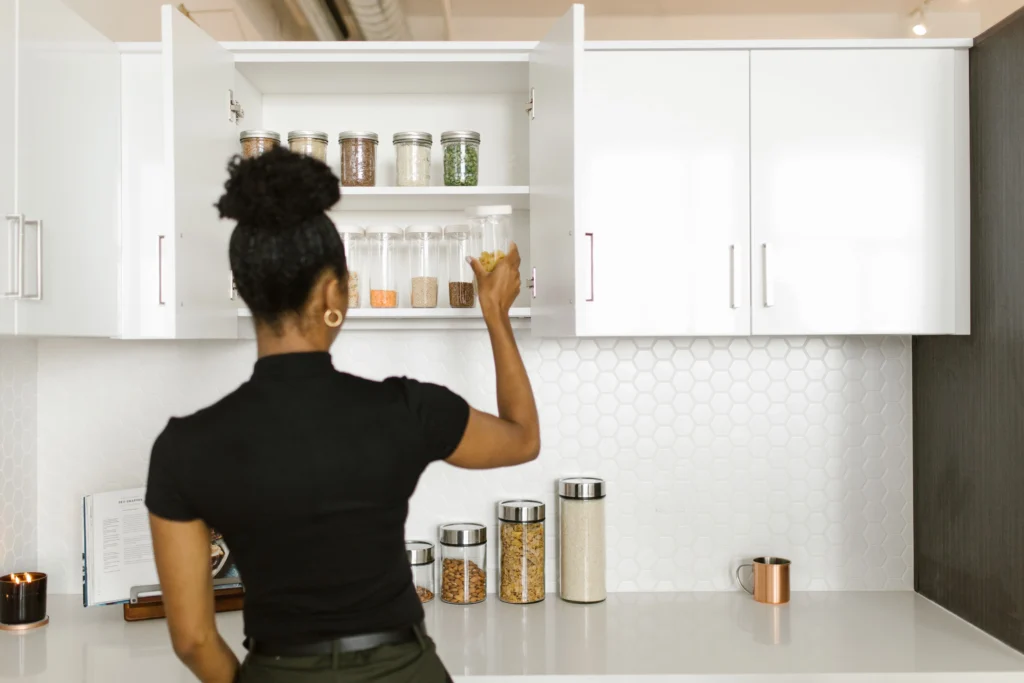
The right storage tools make snack organization intuitive for kids and effortless for parents. Clear containers improve visibility, allowing children to see what’s available without digging through piles, which reduces both mess and decision time. When snacks are visible, kids choose faster and return items more easily. Pull-out drawers add another layer of accessibility by letting children slide snacks toward them instead of knocking items over from deep shelves. Shallow drawers work especially well for pouches, granola bars, trail mixes, and small boxes that otherwise disappear in crowded cabinets.
Tiered shelving keeps smaller items from getting hidden behind larger packages, ensuring nothing gets forgotten at the back of the pantry. Labeling completes the system. Simple categories like After-school, Fruit Snacks, Protein, Sweet Treats, and Lunchbox Items guide kids toward the right choices and teach responsibility during cleanup. When storage is clear, reachable, and labeled, snack time becomes organized, independent, and calm instead of chaotic.
Organize Snacks by Routine
Creating snack zones based on daily routines keeps your kitchen running smoothly and prevents constant searching. A morning grab zone makes school-day rushes easier by placing breakfast bars, fruit cups, mini cereals, and quick bites in one clearly defined section that kids can access fast. An after-school section should hold more filling options like trail mix, yogurt, crackers, and protein snacks so children naturally refuel when they get home instead of roaming the pantry. A dedicated lunchbox prep area keeps packing efficient by grouping all lunch-friendly snacks together, reducing forgotten items and speeding up morning prep.
Finally, a weekend treat shelf gives fun snacks a controlled home, helping prevent random grazing and encouraging mindful choices instead of constant snacking. When snack storage mirrors real family rhythms, kids know exactly where to look, parents regain time, and the kitchen feels organized rather than reactive.
Make Healthy Snacks Easy to Reach
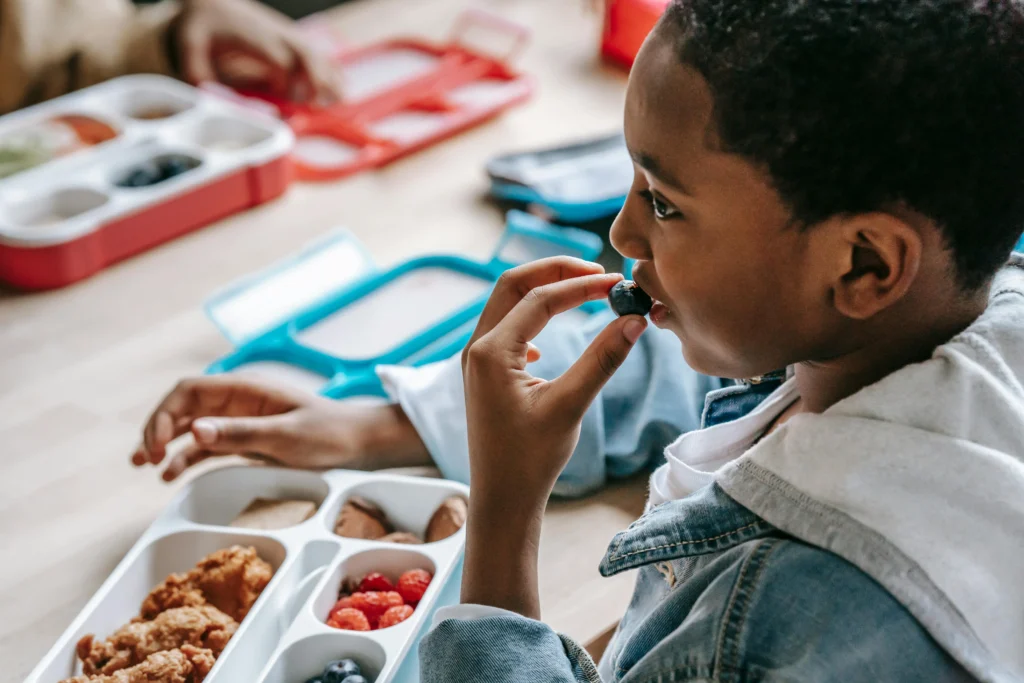
Healthy snack habits start with smart placement and portioning. Position nutritious options at eye level, where kids naturally look first, so fruits, protein bars, and whole-grain snacks become the easy default. Treats don’t have to disappear, but healthier choices should be more visible and accessible. Using pre-portioned containers for bulk items like crackers, trail mix, or popcorn prevents overeating and keeps servings consistent without constant supervision. In the fridge, create fresh snack bins with items such as sliced fruit, cheese sticks, hummus, and yogurt. A clearly labeled “Kids Snacks” drawer or bin makes grabbing something healthy simple, fast, and independent, helping children build better habits while keeping your kitchen organized and calm.
Design With Safety in Mind
Safety is just as important as organization when designing a kids’ snack system. Creating allergy-aware zones helps protect children who are sensitive to certain foods by clearly separating allergy-safe snacks from the rest of the pantry. This reduces cross-contact and makes it easy for kids to choose safely without constant supervision. Snack storage should also avoid heavy upper shelves for children’s items. Placing snacks on lower, reachable levels prevents climbing, tipping, and accidents while encouraging independence. Finally, use easy-open containers and packaging that kids can manage on their own without ripping boxes apart or spilling contents. When safety and accessibility work together, snack time becomes calmer, cleaner, and more confident for the whole family.
Snack Organization for Different Family Types
Families With Toddlers
For toddlers, snack organization should focus on safety, simplicity, and gentle structure. Use soft bins, rounded containers, and low drawers so little ones can reach items without risk. Limit the number of choices in each bin to prevent visual overload and meltdowns caused by too many options. Keeping only a few approved snacks visible encourages better decisions and supports early independence. When toddlers can safely see and grab what they’re allowed to eat, snack time becomes calmer and more predictable for both kids and parents.
School-Age Kids
School-age children benefit from systems that promote responsibility and routine. Adding clear labels, a lunchbox prep station, and pre-portioned snacks makes it easier for them to pack, clean up, and choose wisely on their own. Grouping snacks by purpose, morning, after-school, lunchbox, teaches kids where things belong and reduces repeated questions. This level of organization supports independence while still keeping structure in place, helping kids build good habits around food and tidiness.
Teens
Teenagers need snack storage that matches their growth and busy schedules. Create larger-capacity drawers, protein-focused sections, and refillable bins to handle bigger appetites and frequent grazing. Teens often eat between activities, homework, and sports, so accessibility and quantity matter more than strict limitation. Organizing hearty options like bars, nuts, wraps, and smoothies in one zone helps them fuel properly without emptying the pantry randomly. A well-designed teen snack area balances freedom with order, keeping the kitchen from slipping into chaos.
Common Mistakes to Avoid
One of the most common mistakes in snack organization is overloading a single shelf. When too many boxes, bags, and pouches are packed into one area, visual clutter builds fast, items get crushed, and kids can’t see what’s actually available. This leads to digging, mess, and wasted food. Another issue is skipping containers altogether. Leaving snacks in loose packaging makes spills more likely and allows small items to scatter every time someone reaches in. Bins and trays create boundaries that keep categories intact and make restocking easier. Finally, many homes ignore accessibility.
If children can’t comfortably reach their snack area, they’ll start rummaging through other cabinets, mixing snacks with cooking supplies and creating chaos. A well-designed snack system spreads items across logical zones, uses containers to maintain structure, and places food where kids can help themselves without disrupting the rest of the kitchen.
Why Storage Design Makes a Difference
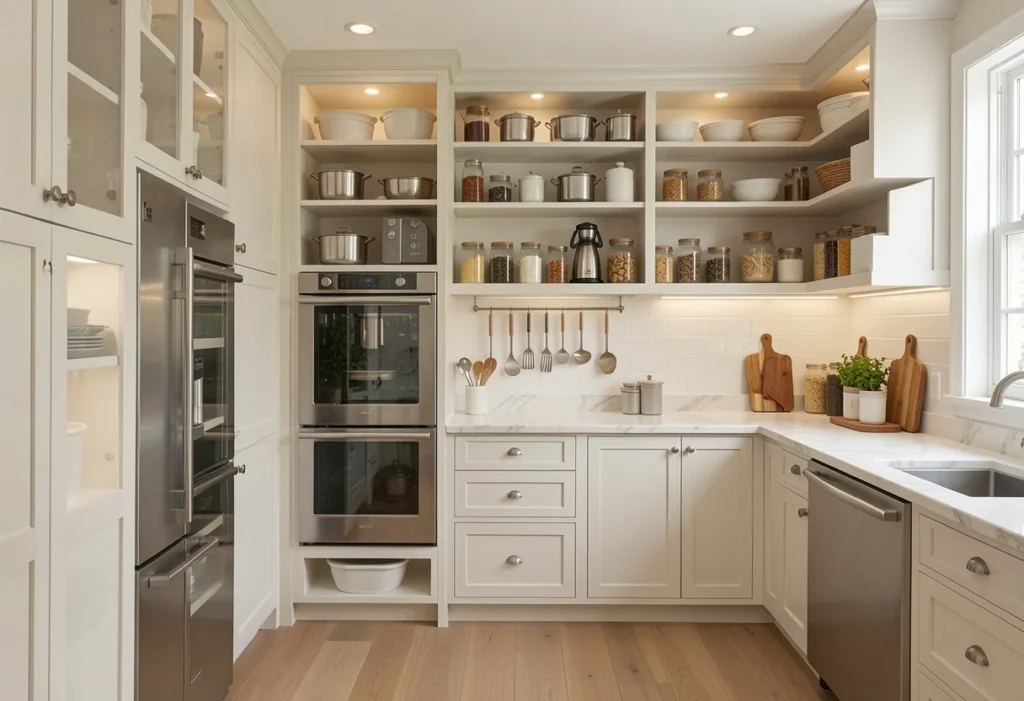
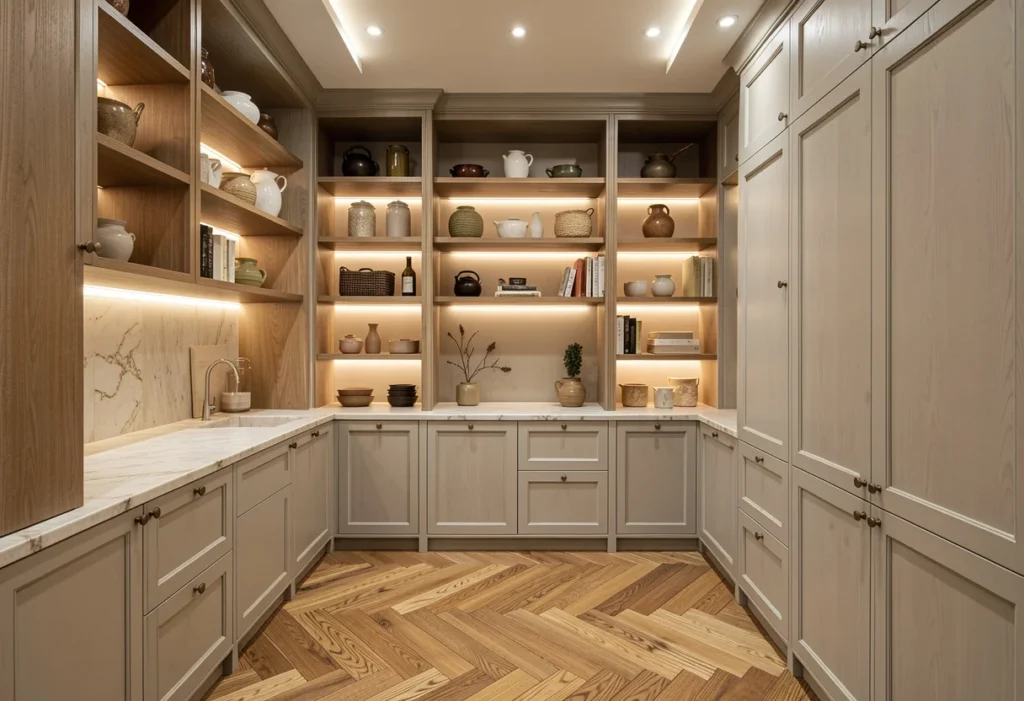
At St. James Closets, organization isn’t about hiding clutter, it’s about shaping spaces around how families actually live. Snack storage works best when design supports movement, habits, and daily flow, not just aesthetics. Custom pantry systems with pull-out drawers, child-height shelves, and clearly labeled zones keep kids independent while allowing parents to maintain structure and balance in the kitchen.
When storage is built around behavior, organization becomes natural instead of forced. Instead of constantly correcting messes, families move through their day with ease — snacks are easy to find, simple to put back, and part of a calm, functional home rhythm that supports both parents and children.
Organized snacks make busy days smoother, healthier, and far less stressful. With thoughtfully designed storage, kids gain independence, and your kitchen stays calm instead of cluttered. At St James Closets, we create custom pantry and storage solutions tailored to your family’s routines. Contact us today to discover how smart storage can simplify your home, and make every snack time effortless.
Organized snacks make busy days smoother, healthier, and far less stressful. With the right storage design, kids gain independence and your kitchen stays calm instead of cluttered. At St James Closets, we create custom pantry and storage solutions that support real family routines. Reach out today to explore storage that keeps your home running better—one snack at a time.