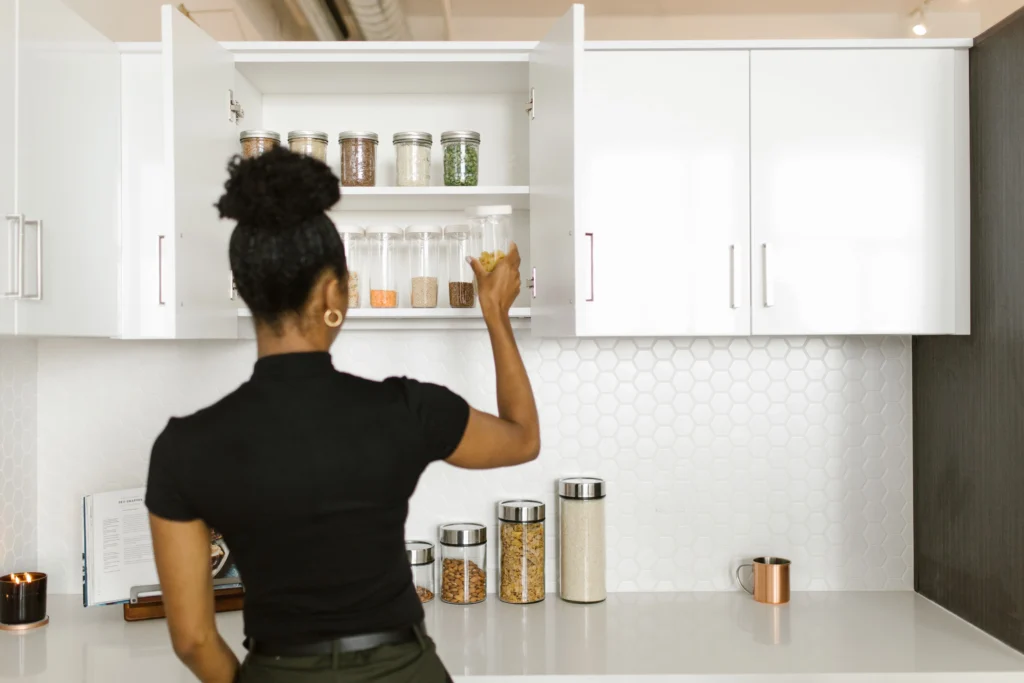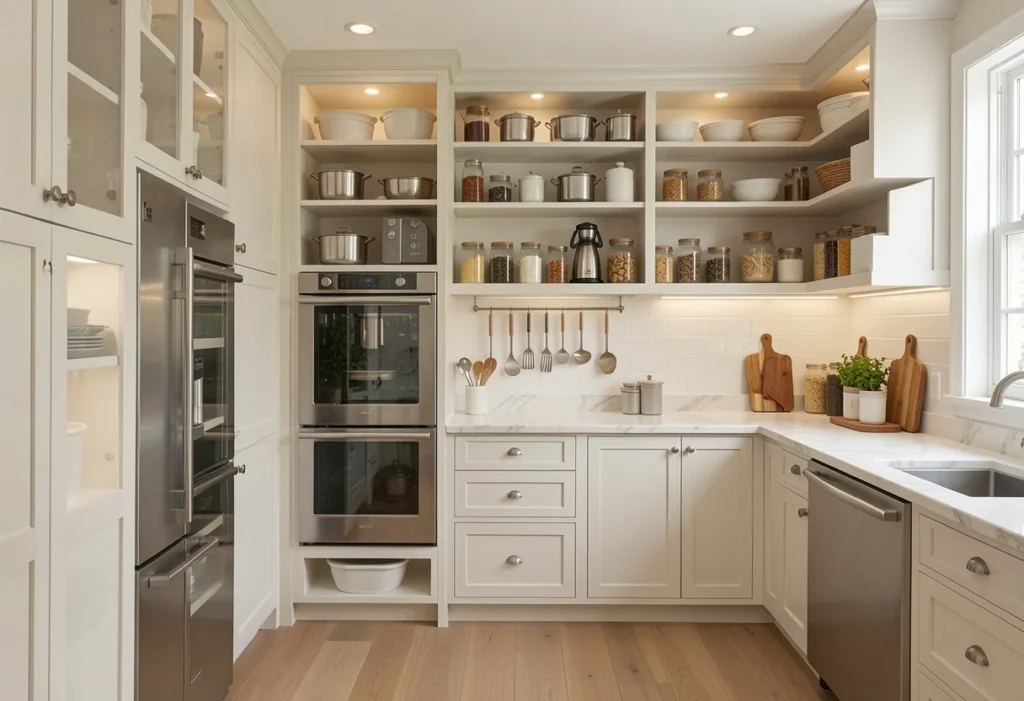
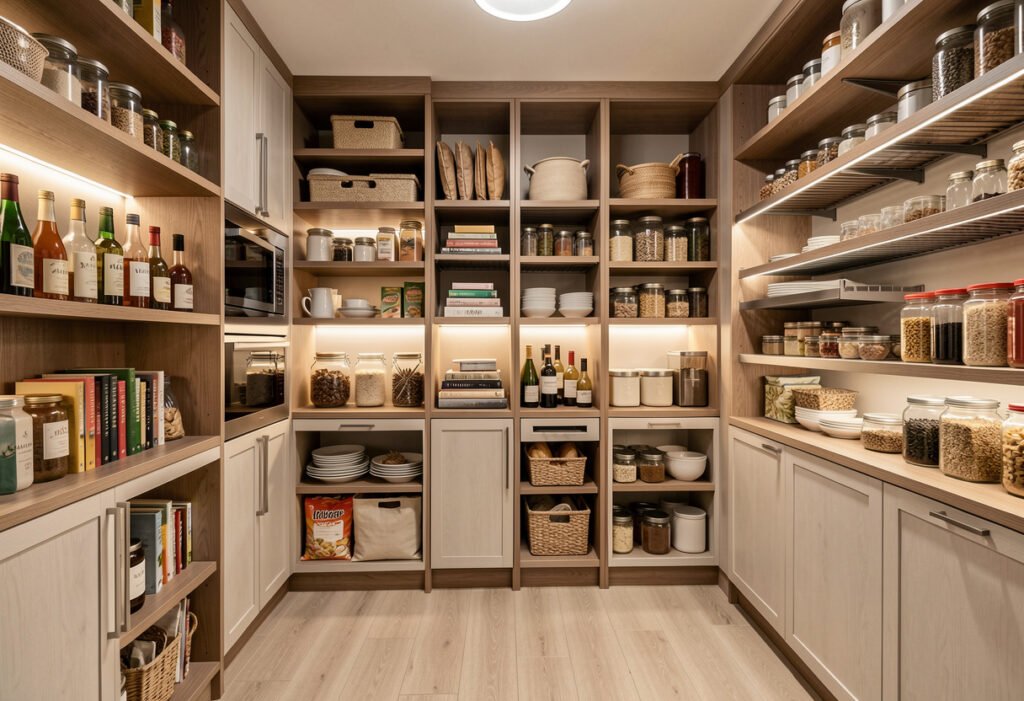
A well-designed pantry supports an efficient kitchen. The space keeps ingredients visible and reduces clutter on countertops. Households manage groceries with greater ease. Cooking, meal preparation, and grocery restocking become simpler tasks. Many homes face problems with disorganized pantry shelves. Items move to the back and disappear from view. Duplicate products build up over time. Important ingredients become difficult to find. A structured pantry design resolves these issues. Dedicated storage zones keep products organized. Accessible shelves allow every item to remain within reach.
St. James Closets designs custom storage systems that improve the way homeowners use their spaces. A pantry with practical shelving, adjustable storage, and clear organization creates order in the kitchen. Each product receives a designated place. The right layout and storage features support a pantry that stays neat and functional. This blog presents practical pantry design strategies that support long-term organization and improve everyday kitchen use.
Why Pantry Organization Matters
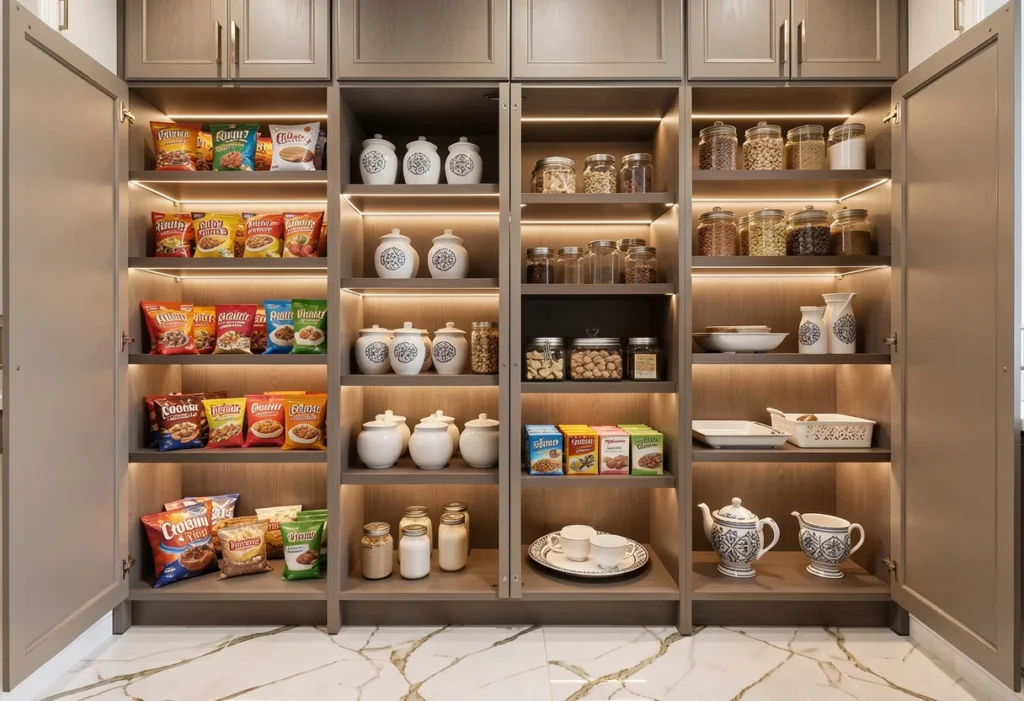
An organized pantry improves daily cooking and overall kitchen efficiency. Easy access to ingredients allows cooks to move through meal preparation without delays. Clear storage zones keep spices, grains, canned goods, and baking ingredients easy to locate. Cooking becomes faster and more predictable when every item sits in a designated place. A structured pantry also helps reduce food waste. Hidden items often lead to duplicate purchases and forgotten ingredients. Visible shelves allow households to track what they already have. Families gain better awareness of pantry inventory and use ingredients before expiration.
An efficient pantry keeps the kitchen free from unnecessary clutter. Counters stay clear when snacks, appliances, and cooking essentials remain stored in pantry spaces. The kitchen feels more organized and comfortable, which supports a smoother and more enjoyable cooking experience.
Start with a Smart Pantry Layout
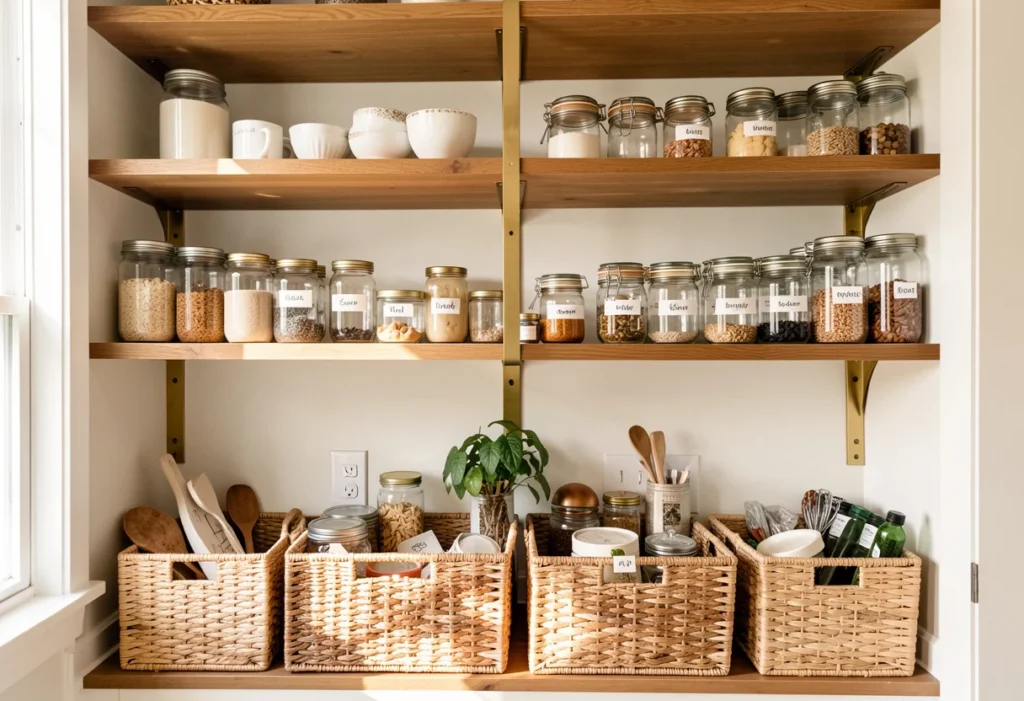
Every pantry design starts with a clear understanding of the available kitchen space. Homes feature different pantry layouts that include walk-in rooms, reach-in spaces, or tall pantry cabinets. The goal focuses on maximizing storage capacity and maintaining easy access to ingredients. Shelves must support organization without overcrowding.
Walk-in pantries offer the greatest flexibility for storage. Multiple shelving levels allow storage for dry goods, canned foods, and kitchen staples. Drawers and vertical storage zones create dedicated areas for different ingredients. This layout supports clear organization and strong visibility.
Reach-in pantries provide efficient storage in a compact space. Adjustable shelves allow homeowners to change shelf height based on product size. Pull-out storage brings items forward and prevents products from getting lost in the back.
Cabinet pantries serve kitchens that lack extra space for a full pantry room. Tall cabinets create vertical storage for groceries and cooking essentials. Interior shelves and pull-out organizers maintain structure and order inside the cabinet.
Create Functional Storage Zones
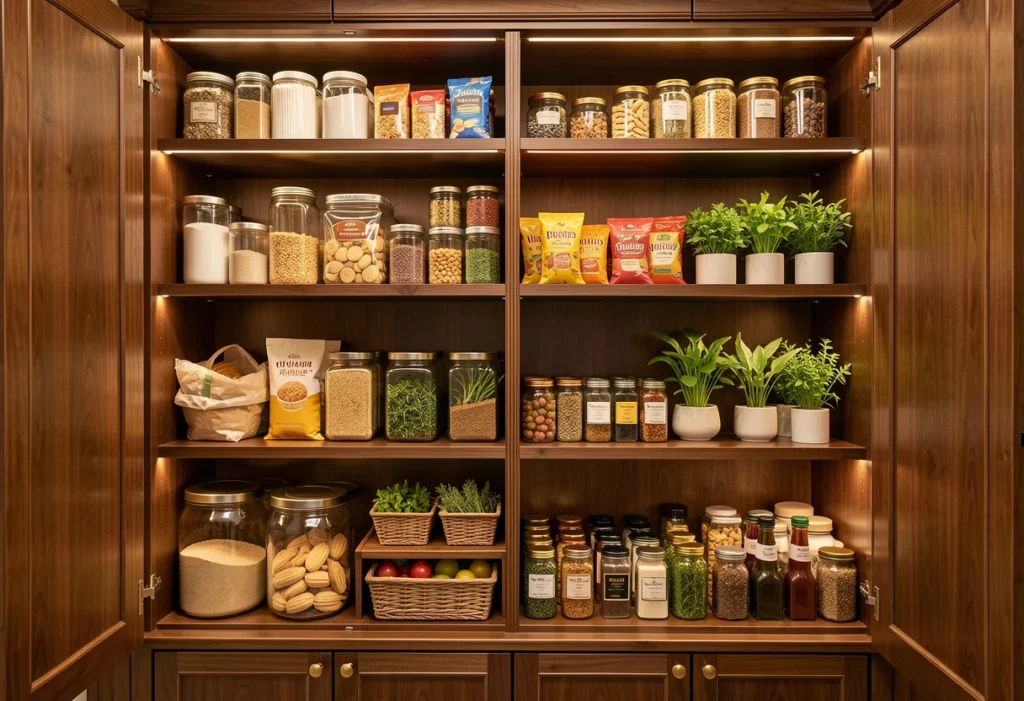
Dividing a pantry into specific zones creates one of the most effective systems for maintaining long-term organization. Clear sections allow households to group similar ingredients together and locate items quickly. This structure prevents overcrowded shelves and reduces the chance of products getting lost behind other items. Cooking and grocery restocking become easier tasks when every category of food has a designated location. A zoned pantry also supports better inventory awareness and helps families maintain a clean, orderly kitchen space.
Everyday Essentials
Frequently used ingredients belong at eye level to support easy access and daily efficiency. Cooking oils, pasta, rice, and spices work best on the most accessible shelves. This placement keeps essential items visible and within reach. Cooks move through meal preparation with fewer interruptions. The arrangement also reduces unnecessary searching and keeps the pantry organized.
Baking Supplies
Baking ingredients benefit greatly from a dedicated pantry section. A separate zone keeps all essential items together, supporting faster preparation and stronger overall organization. Dry ingredients such as flour, sugar, cocoa powder, and baking powder remain grouped for easy access, while clear containers or labeled jars enhance visibility and keep shelves tidy. This system also reduces the chance of spills and prevents ingredients from getting mixed up or lost.
Baking tools can be stored near this section when space allows, creating a complete and efficient baking station. Mixing bowls, measuring cups, measuring spoons, rolling pins, and baking pans remain within easy reach, saving time during recipe preparation. By keeping both ingredients and tools close together, this layout streamlines the baking process, reduces clutter in other kitchen areas, and supports a smooth, enjoyable workflow. A well-organized baking zone ensures that home bakers can work efficiently while maintaining a neat and visually appealing pantry.
Snack Storage
Families often benefit from a dedicated snack section in the pantry. A specific shelf, drawer, or storage basket keeps snacks separate from cooking ingredients, preventing clutter and maintaining order. This setup improves visibility, so children and adults can quickly find what they need without searching through the entire pantry. It also simplifies restocking, helping families maintain a neat and organized space over time. With a dedicated snack zone, the pantry becomes more functional, efficient, and enjoyable to use every day.
Bulk Items
Large packages of paper towels, canned goods, and bulk groceries should be stored on the lower shelves of a pantry. Placing heavier items at a lower level makes lifting and handling safer, reducing the risk of strain or injury when moving them. Lower shelves also provide stability for bulky products, preventing them from tipping or shifting. This arrangement keeps the pantry balanced, with heavier items on the bottom and lighter products on higher shelves. It also improves accessibility, making it easier to reach and organize large items without disrupting other sections of the pantry. By storing heavy goods thoughtfully, the pantry becomes both safer and more efficient for everyday use.
Choose the Right Shelving
Shelving design plays a major role in pantry organization and ease of maintenance. The right shelving system supports visibility, accessibility, and efficient use of space. A thoughtful layout allows every item to remain easy to locate and store.
Adjustable shelves provide flexibility for changing storage needs. Pantry items come in many sizes, from tall containers to small spice jars and boxed goods. Adjustable shelving allows homeowners to modify shelf height and create space for different products. This flexibility helps each item fit properly without wasting space.
Shelf depth also affects how easily items remain visible. Deep shelves can hold more products, yet they often cause items to disappear behind others. Shallow shelves improve visibility and keep products within reach. This design prevents ingredients from getting lost in the back of the pantry.
Vertical storage increases pantry capacity without expanding the footprint of the space. Tall shelving units take advantage of unused upper areas. Higher shelves store rarely used items and bulk supplies. Lower and middle shelves remain available for daily essentials. This arrangement supports both efficiency and organization in the pantry.
Smart Pantry Accessories
Accessories form the backbone of an organized pantry, supporting long-term efficiency and ease of use. Bins, baskets, and clear containers group similar items together and keep them visible, reducing the chance of ingredients being overlooked. Pull-out drawers and lazy Susans make small or hard-to-reach products easy to access, preventing frustration during meal prep. Labels, dividers, and tiered organizers create structure on every shelf, ensuring that everything has a designated place. These tools not only reduce clutter but also save time when restocking or searching for ingredients. By integrating practical accessories, a pantry remains orderly, functional, and visually appealing, making everyday cooking and grocery management far more manageable.
Pull-Out Drawers
Pull-out drawers enhance pantry functionality by bringing items from the back of shelves forward. This design eliminates the need to reach deep or move other products to access ingredients. Drawers work particularly well for canned goods, boxed items, and smaller staples that often get lost or overlooked. They also keep similar items grouped together, preventing clutter and maintaining order. With pull-out drawers, every product stays visible and within easy reach, making meal preparation smoother and restocking faster.
Storage Baskets
Baskets organize pantry items by keeping similar products together, improving both order and accessibility. Homeowners can assign baskets to snacks, breakfast items, cooking ingredients, or baking supplies, making it easy to find what is needed quickly. This arrangement supports faster restocking and prevents clutter on shelves. By grouping items in baskets, the pantry stays neat, organized, and functional over time, allowing daily kitchen tasks to run smoothly.
fies retrieval and restocking.
Clear Containers
Transparent containers greatly enhance pantry organization and efficiency. They allow homeowners to see ingredients at a glance, reducing the need to open multiple packages to find what they need. These containers protect dry goods such as flour, sugar, grains, pasta, and cereals from moisture, pests, and contamination, extending freshness and shelf life. Many transparent containers also feature airtight lids, which further preserve flavor and quality. In addition to functionality, clear storage creates a uniform, visually appealing look on pantry shelves, making it easier to maintain a tidy space. By combining visibility, protection, and aesthetic order, transparent containers support a pantry that remains organized, efficient, and enjoyable to use every day.
Labeling for Long-Term Organization
Labeling is a small step that has a major impact on organization and maintenance. Clear labels make it easy to identify ingredients and return them to the correct spot. Ingredient labels on containers remove guesswork and keep family members from misplacing items. Shelf labels mark pantry zones, encouraging everyone in the household to follow the system. Labels with purchase or expiration dates also improve expiration awareness, helping track freshness and reduce food waste. Together, these labeling practices support a pantry that remains organized, efficient, and easy to use over time.
Pantry Lighting and Visibility
Lighting plays a crucial role in pantry usability and organization. Proper illumination ensures that every shelf remains visible and ingredients are easy to locate. Dim or shadowed corners make it harder to find items and can lead to disorganization over time.
Bright, even lighting keeps all pantry areas well-lit, improving visibility and making the space more functional. Motion-activated lighting provides hands-free illumination when the pantry door opens, which is especially convenient when carrying groceries. Shelf lighting installed under shelves highlights stored items and eliminates shadows, ensuring every product is easy to see and access. Thoughtful lighting enhances both efficiency and the overall experience of using the pantry.
Designing a Pantry That Supports Daily Habits
The most effective pantry systems match how households cook, shop, and use ingredients. Thoughtful design ensures convenience, efficiency, and long-term organization. Consider grocery shopping patterns when planning pantry space. Families who shop weekly may need larger areas for bulk items, while households that cook daily might prioritize quick-access zones for frequently used ingredients.
Store similar items together to streamline meal preparation. Keeping pasta, sauces, and spices in the same area reduces time spent searching and makes cooking smoother. Leave room for growth by avoiding fully packed shelves. Extra space accommodates seasonal items, new groceries, or special ingredients, keeping the pantry functional and adaptable over time.
Custom Pantry Solutions from St James Closets
At St. James Closets, pantry systems combine structure with flexibility. Custom solutions ensure that each pantry fits the homeowner’s cooking habits and kitchen layout. Features often include adjustable shelving, pull-out drawers, vertical storage compartments, custom cabinet finishes, and integrated lighting options. Every detail is tailored to the available space, creating pantries that stay organized, accessible, and easy to maintain over time.
In Conclusion
A thoughtfully designed pantry enhances kitchen organization and streamlines daily routines. Clear storage zones, adjustable shelving, and practical accessories make it easy to find ingredients, manage groceries, and maintain order. Custom pantry solutions from St James Closets provide structure that adapts to each household’s needs. Smart storage design paired with practical organization strategies creates a pantry that stays efficient, accessible, and visually appealing for years.
An organized kitchen begins with a well-planned pantry. St. James Closets can design a custom pantry that maximizes storage, simplifies daily cooking, and keeps every ingredient within reach. From adjustable shelving to integrated storage solutions, the right design transforms how your kitchen functions. Schedule a consultation today and discover how a custom pantry can bring lasting order to your home.