Home office design shapes how people think, work, and stay productive throughout the day. A clear workspace supports focus. An organized layout supports creativity. A structured environment reduces daily stress. Many homes now include dedicated work areas. Remote work continues to grow. Hybrid schedules remain common. Students also use home study spaces every day. A well-planned workspace supports better routines. A defined layout improves time management. Clean storage supports steady concentration during long tasks.
St. James Closets builds custom storage systems for home offices with real daily needs in mind. Each design supports organization. Each layout improves accessibility. Each solution helps homeowners maintain clear thinking and consistent productivity.
Why a Well-Planned Home Office Matters Today
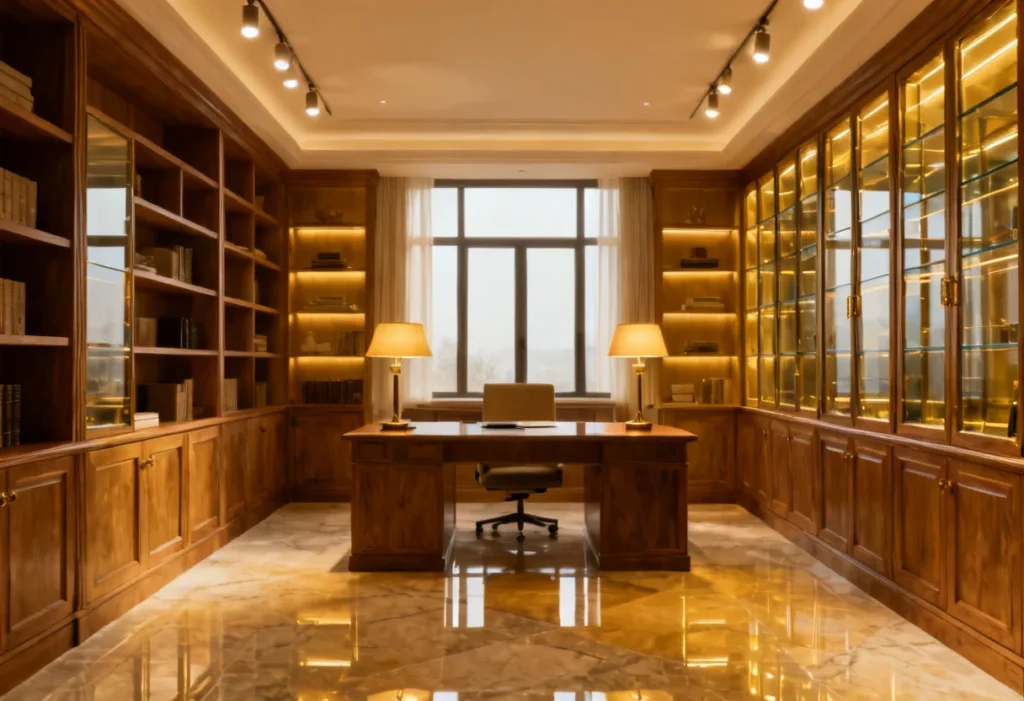
Modern households depend on reliable workspace structure because a dedicated work area supports concentration, organization, comfort, and daily productivity, creating a clear environment where tasks can be completed efficiently and with fewer distractions. A well-planned setup helps separate work from personal spaces, making it easier to maintain focus and follow consistent daily routines.
When a defined workspace is not in place, tasks, materials, and devices often spread across different areas of the home, leading to clutter, interruptions, and reduced efficiency. This lack of structure can make it harder to stay organized, increase time spent searching for items, and disrupt workflow throughout the day. A structured workspace helps prevent these issues by keeping everything in one organized and intentional area designed specifically for productivity.
Focus Improves With Defined Boundaries
A clear workspace reduces interruption by separating work activity from household movement and background distractions. This separation helps create a predictable environment where attention remains directed toward tasks instead of shifting between competing demands. Mental transitions become easier when there is a consistent location associated with work. Entering a defined workspace signals the start of focused activity, while stepping away from it supports a natural shift back into personal time. This routine strengthens daily structure and improves time awareness.
Productivity becomes consistent because the brain responds well to repetition and environmental cues. Working in the same organized space each day supports steady performance and helps reduce the effort required to begin tasks.
Organization Supports Daily Efficiency
Storage keeps materials easy to locate by assigning a clear place for documents, supplies, and devices. This reduces time spent searching for items and allows work sessions to begin more quickly. Work surfaces stay clear when storage systems support vertical organization and drawer-based separation. A clean surface improves visibility, supports writing and computer use, and helps maintain focus across longer work periods. Tasks move faster when tools remain accessible and organized within reach. Efficient placement supports smoother transitions between responsibilities and helps maintain a steady workflow throughout the day.
Choosing the Right Location Inside the Home
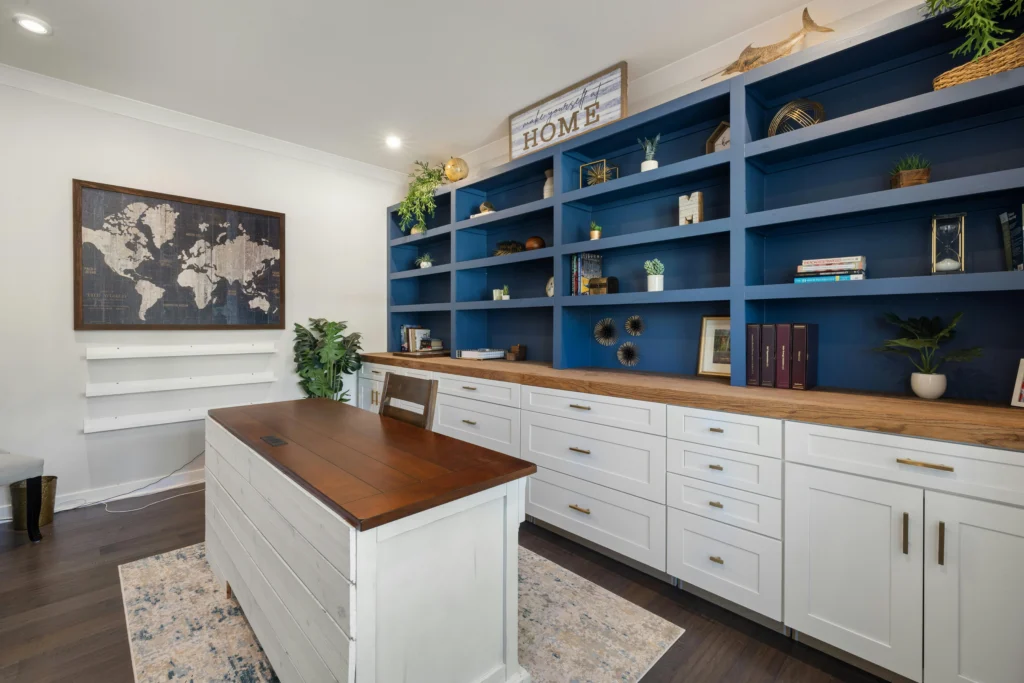
Location shapes workspace performance because the surrounding environment directly affects attention, energy, and workflow. Quiet areas support deeper focus by reducing interruptions, limiting background noise, and creating a more stable setting for sustained concentration and productivity.
Spare Bedrooms Create Strong Office Zones
Separate rooms reduce distraction by keeping work activity isolated from household movement, noise, and daily interruptions. This separation helps maintain consistent focus throughout the workday. Doors create privacy by establishing a physical boundary between the workspace and the rest of the home. This supports clearer mental separation between work time and personal time, making it easier to stay disciplined and organized.
Lighting improves concentration when spare bedrooms include windows or can be equipped with task lighting. Proper illumination reduces eye strain, supports longer working sessions, and enhances overall productivity.
Converted Closets Support Compact Offices
Closet conversions create structured work zones by turning unused enclosed areas into defined office spaces. This helps separate work materials from general household clutter. Vertical storage improves efficiency by using wall height for shelves, cabinets, or organizers. This keeps essential items accessible while preserving limited floor space for movement and seating. Small spaces remain productive when layouts are intentionally designed with organization and accessibility in mind. Even compact areas can support focused work when storage and surface planning are optimized.
Corner Layouts Work in Shared Rooms
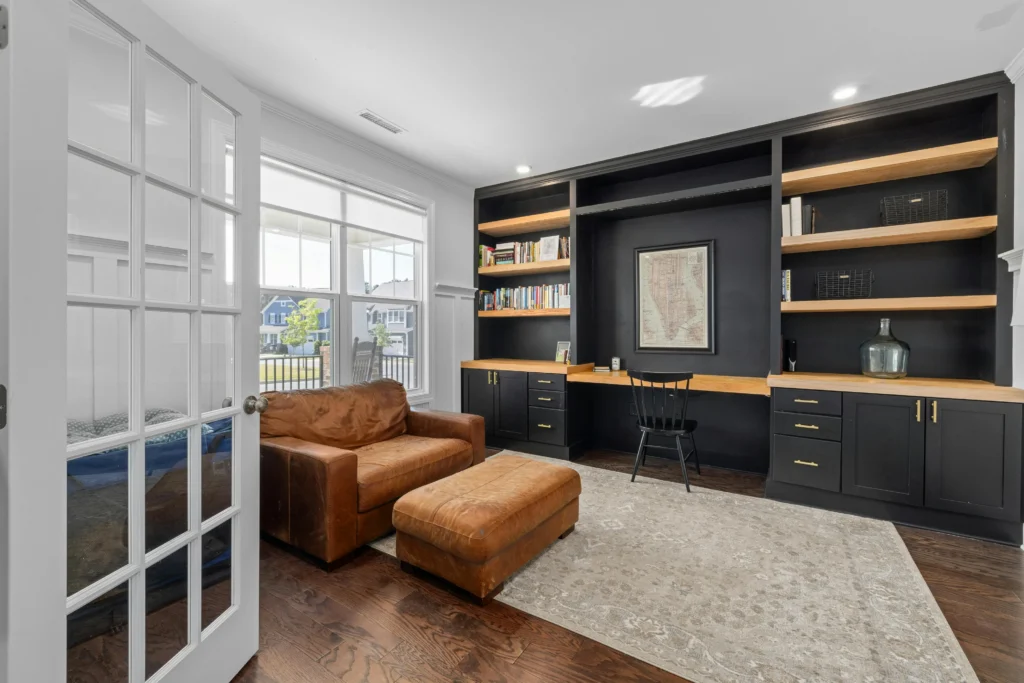
Corners define workspace boundaries by creating a natural separation from the rest of a shared room. This helps visually and functionally establish a dedicated work area. Shelving adds structure by providing storage for documents, supplies, and equipment. It keeps surfaces clear and supports better organization in multi-use spaces. Compact layouts stay organized when furniture and storage are arranged to maximize efficiency within limited space. This allows shared rooms to support productive work without overwhelming the overall environment.
Creating a Clear Work Zone That Encourages Focus
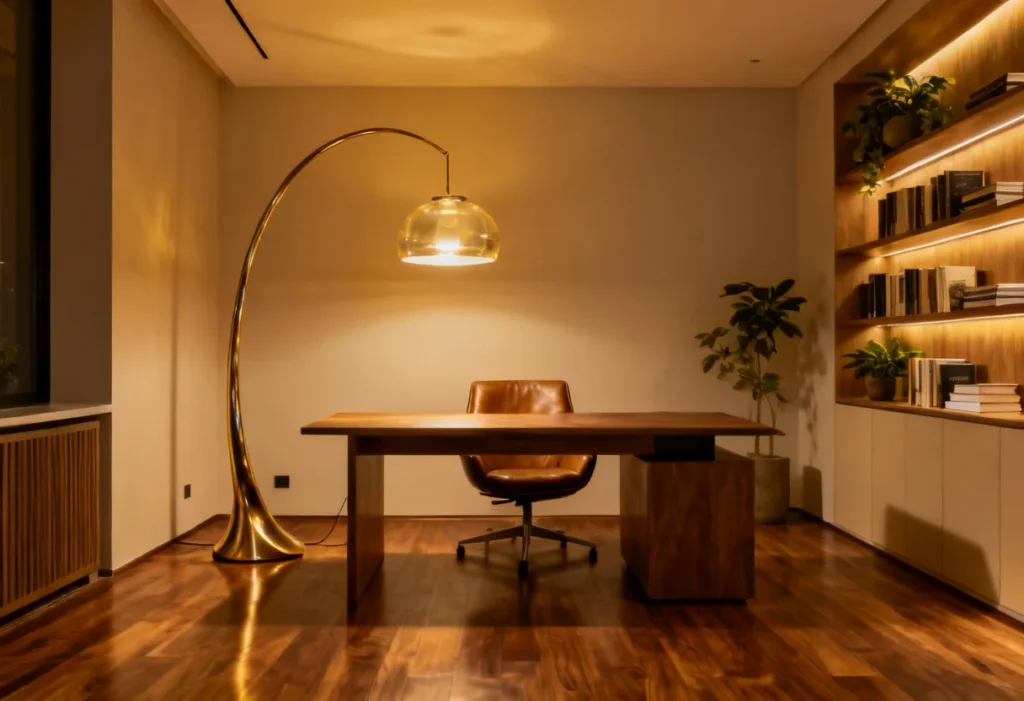
A defined workspace improves mental clarity by creating a dedicated area for focus and daily responsibilities. Separate work zones help reduce distraction by limiting visual clutter and separating work activity from shared household routines. This structure makes it easier to begin tasks on time and maintain attention throughout the day.
A well-planned workspace should support daily tasks, storage needs, and comfortable movement flow within the area. When supplies remain organized and surfaces stay clear, transitions between activities become smoother and more efficient. Structure helps the brain stay on task by reinforcing predictable routines, and clear boundaries improve productivity by creating a consistent environment designed specifically for work.
Custom Cabinetry Keeps Work Surfaces Organized
Clutter interrupts thinking quickly and reduces the ability to stay focused on tasks. When surfaces are crowded, attention shifts away from work and toward visual distractions. Cabinet systems restore structure by creating defined storage areas that keep items organized, accessible, and properly contained.
Upper Cabinets Store Supplies Efficiently
Upper cabinets protect frequently used but non-daily items such as files, notebooks, and tools by keeping them organized and out of the main workspace. This elevated storage reduces desk clutter and ensures important materials remain easy to access when needed. Clear desks support focus by removing unnecessary objects from the immediate work area. A clean surface helps maintain attention on tasks, improves workflow efficiency, and creates a more professional and organized environment for daily work.
Base Cabinets Support Equipment Storage
Lower cabinets provide stable storage for larger office equipment such as printers, paper supplies, and electronic devices. These items remain securely stored while still being easily accessible for daily use. Equipment stays protected from dust, accidental damage, and clutter when stored in enclosed base cabinets. This also helps extend the lifespan of devices while maintaining a cleaner and more organized workspace overall.
Vertical Storage Maximizes Available Space
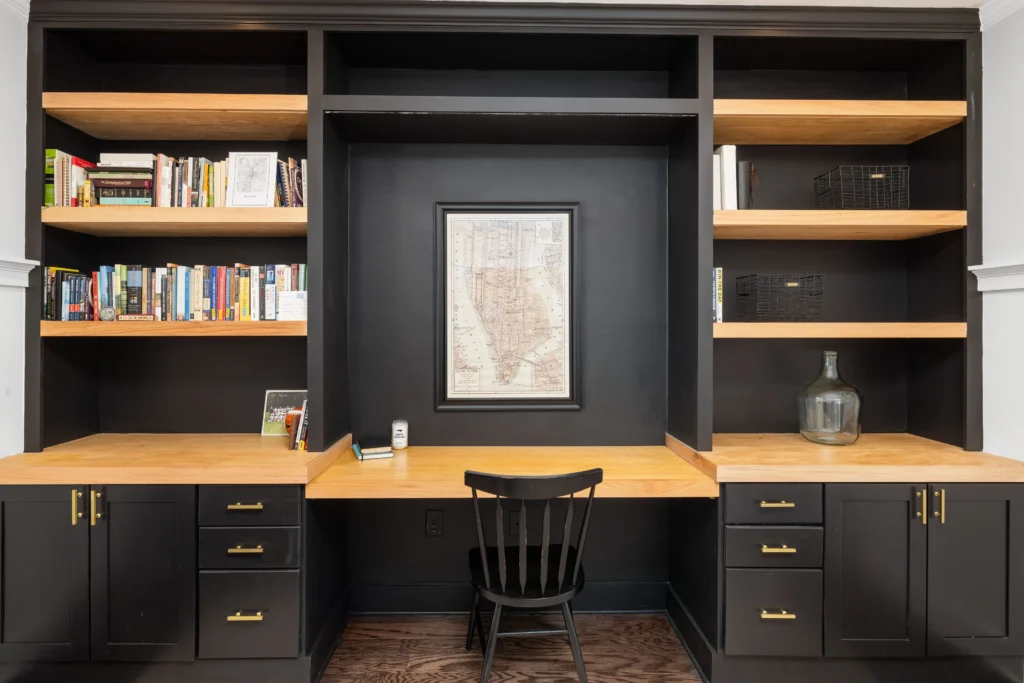
Wall space often remains unused in many home offices, but vertical storage transforms that area into functional organization without increasing the room’s footprint. Tall cabinets support binders, reference materials, supplies, and storage bins by keeping items arranged in clearly defined sections that are easy to access and maintain. This upward storage approach frees up desks and floor space, reduces clutter, and improves overall workflow. Better use of vertical storage increases workspace efficiency by creating a more organized, accessible, and productive environment.
Built-In Shelving Improves Accessibility
Shelving supports quick access storage by keeping frequently used items visible and easy to reach. This reduces time spent searching for materials and helps maintain a smoother workflow throughout the day. Visibility improves efficiency by making organization more intuitive, allowing users to quickly identify and retrieve what they need without disrupting focus.
Open Shelves Support Daily Supplies
Open shelves are ideal for notebooks, planners, and books because they keep essential work materials within immediate reach. This setup supports faster task transitions and helps maintain a clear and functional workspace throughout the day. Daily tools remain reachable when stored at eye level or within arm’s reach, reducing unnecessary movement and improving overall productivity. This accessibility encourages consistent organization habits and helps keep work routines efficient and structured.
Display Shelves Support Inspiration
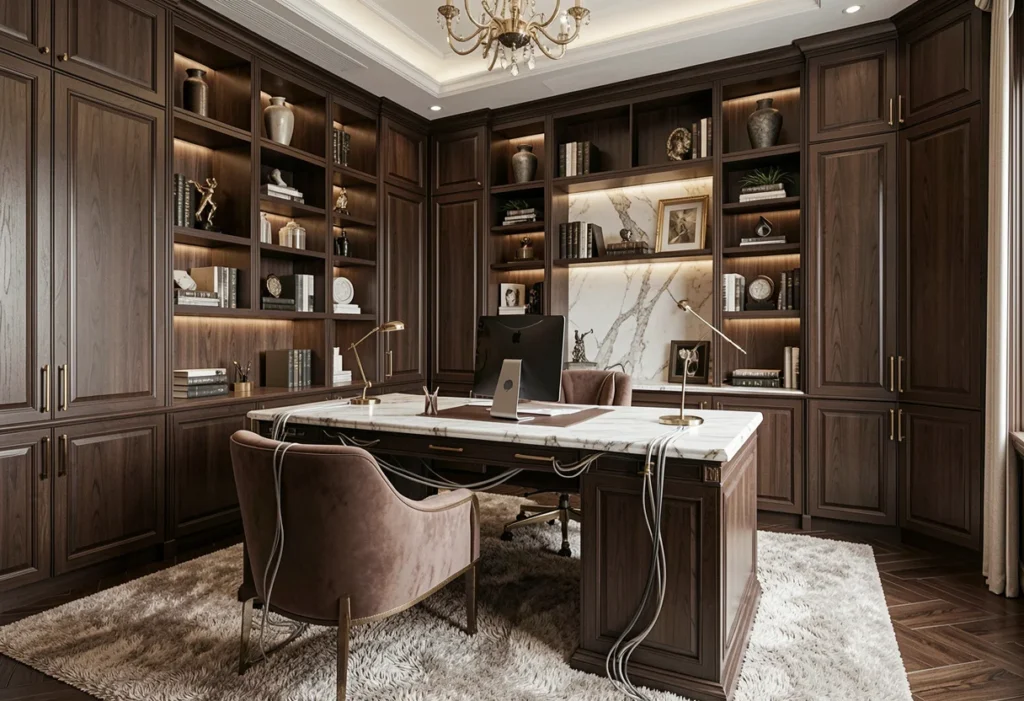
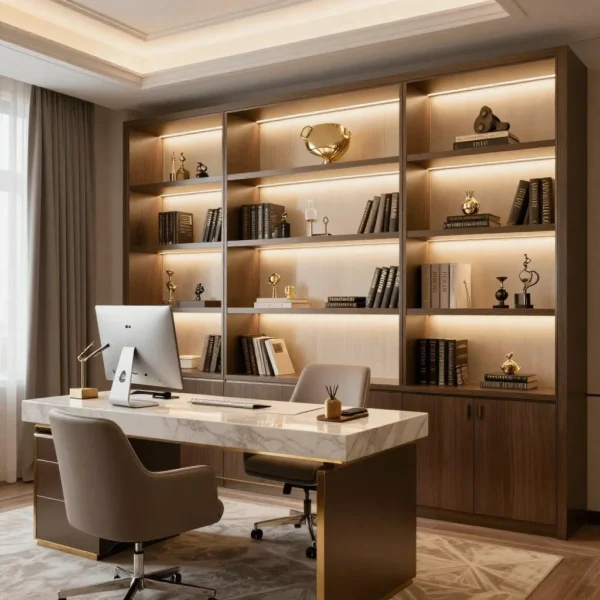
Visual motivation supports creativity by creating a workspace that feels engaging and personalized. Display shelves allow meaningful items such as décor, awards, or references to remain visible during work sessions. Personal touches improve engagement by making the workspace feel more comfortable and inspiring. A visually supported environment can enhance focus, encourage creative thinking, and make daily work more enjoyable.
Drawer Systems Improve Daily Workflow
Drawer storage prevents clutter buildup by keeping small and frequently used items contained, organized, and out of sight. Drawer systems support paperwork, accessories, writing tools, and cables by assigning each category a dedicated space that improves order and accessibility. Everything stays organized and easy to locate, reducing time spent searching for items during work tasks. Structured storage improves task completion speed by maintaining a clean workspace, minimizing distractions, and supporting a more efficient and focused workflow throughout the day.
Cable Management Reduces Visual Distractions
Loose cables create visual noise that disrupts focus and makes a workspace feel disorganized, even when surfaces are clear. Cable control improves workspace clarity by keeping cords contained, hidden, and properly routed to reduce distractions and maintain a clean visual environment. Built-in systems support device charging, cord organization, and equipment placement by providing designated pathways and storage points for electronics. This prevents tangling, improves accessibility, and keeps devices powered without cluttering the workspace. Cleaner layouts support better focus by reducing unnecessary visual interruptions and creating a more structured environment that helps maintain attention on daily tasks.
Lighting Plays a Major Role in Productivity
Lighting affects energy and attention by shaping how clearly a workspace is perceived and how comfortably tasks are performed throughout the day. Good lighting improves reading accuracy by reducing strain and allowing text and details to appear sharper and easier to process. It enhances screen comfort by minimizing glare and eye fatigue during extended computer use. It also improves task visibility by ensuring work surfaces remain evenly illuminated for writing, organizing, and detailed activities.
Natural light supports alertness by aligning with the body’s natural rhythm, helping maintain focus and steady energy levels during daytime work. It creates a brighter, more open environment that supports productivity and mental clarity. Supplemental lighting supports evening productivity by providing consistent illumination when natural light decreases. Task lamps and ambient lighting help maintain visibility, reduce fatigue, and allow work to continue comfortably into later hours without compromising focus or accuracy.
Ergonomic Layout Supports Long Work Sessions
Comfort improves performance because a well-balanced workspace supports posture, reach distance, and movement flow throughout the day. Proper posture reduces physical strain during long work sessions. Optimized reach distance keeps essential tools within easy access, minimizing unnecessary stretching or disruption. Smooth movement flow allows users to transition between tasks without interruption or discomfort.
Comfort reduces fatigue by preventing strain buildup in the body and maintaining a more relaxed working position over time. When a workspace is physically supportive, energy is preserved for focused tasks instead of being spent on discomfort. Better comfort also improves creativity by allowing the mind to stay engaged without distraction from physical tension. A stable, well-organized environment encourages clearer thinking, better problem-solving, and more sustained productivity throughout the day.
Storage Zones Improve Task Efficiency
Zones support organization by dividing the workspace into clear, functional areas that each serve a specific purpose, reducing confusion and improving daily efficiency. Typical zones include a work surface zone, where primary tasks like writing, computing, and planning take place; a reference storage zone, which holds documents, books, and materials needed for quick consultation; a supply storage zone, designed for everyday items such as stationery, notebooks, and office essentials; and an equipment storage zone, which keeps larger devices like printers, chargers, and accessories properly organized.
Each zone supports a specific purpose, ensuring items stay in logical places and remain easy to locate when needed. Structured layouts improve workflow consistency by creating predictable organization patterns, reducing time spent searching for materials, and supporting smoother transitions between tasks throughout the workday.
Closed Storage Reduces Visual Clutter
Visual clutter reduces concentration by overwhelming the mind with unnecessary stimuli and making it harder to focus on one task at a time. Closed cabinets help solve this issue by protecting materials and concealing visual distractions, creating a more controlled and organized workspace. The benefits include a cleaner appearance that makes the environment feel more open and structured, improved organization by keeping items stored in designated places, and reduced stress by minimizing visual overload that can interrupt focus and productivity.
Simple layouts support clearer thinking by removing unnecessary complexity from the environment. When surfaces are clean and storage is concealed, the mind can process tasks more efficiently, leading to better focus, smoother workflow, and improved daily performance.
Open Storage Encourages Easy Access
Open shelving supports frequently used materials by keeping essential items visible, accessible, and easy to reach during daily tasks. This storage works well for notebooks, planners, books, and daily supplies that are needed repeatedly throughout the workday. Because items remain in plain sight, open shelving reduces the time spent searching and helps maintain a smoother workflow. It encourages quicker transitions between tasks and supports better organization habits through constant visibility.
Balanced storage improves efficiency by combining accessibility with structure, ensuring that commonly used materials are easy to reach while less frequently used items remain stored neatly elsewhere. Combination systems work best because they blend open shelving for convenience with closed storage for organization, creating a workspace that is both functional and visually clean.
Multi-Purpose Storage Supports Flexible Work Needs
Workspaces often support multiple roles, especially in modern homes where one area must accommodate different daily needs. They may serve professional work, school activities, and creative projects, all within the same environment, requiring a layout that can handle shifting tasks efficiently. Flexible storage supports changing routines by allowing materials, tools, and devices to be reorganized as priorities evolve throughout the day or over time. This adaptability helps maintain order even when the purpose of the space changes between work, study, and creative use.
Adaptable layouts improve long-term usability by ensuring the workspace remains functional as needs grow or shift. A well-planned design can support different activities without requiring major redesigns, making the space more practical, efficient, and sustainable for everyday use.
Custom Finishes Improve Workspace Atmosphere
Workspace appearance influences motivation by shaping how comfortable and inviting the environment feels during daily tasks. Clean finishes support visual comfort by reducing distractions and creating a calm, organized setting that makes it easier to focus for longer periods. They also support design harmony by ensuring the workspace feels intentional rather than separate from the rest of the home. Consistency with home interiors helps the office area blend naturally into its surroundings, maintaining a cohesive look across rooms.
St. James Closets builds office storage that blends with surrounding spaces through tailored design and integrated cabinetry solutions. Balanced design improves the daily experience by combining function and aesthetics, creating a workspace that feels both productive and visually aligned with the home.
Compact Storage Solutions Work in Small Spaces
Small rooms still support productivity when they are designed with intention and structure. Smart layouts maximize usable space by organizing furniture, storage, and work surfaces in a way that reduces wasted areas and improves accessibility. Even limited square footage can function efficiently when every section of the room serves a defined purpose, allowing work to feel organized rather than constrained.
Corner Cabinets Improve Efficiency
Corners become storage zones when they are properly designed and utilized instead of being left empty or underused. This transforms overlooked areas into functional parts of the workspace that can hold supplies, equipment, or documents. Space increases immediately because corner cabinets expand storage capacity without requiring additional floor area. This allows the room to maintain openness while still supporting organized storage for essential items.
Vertical Shelving Supports Narrow Layouts
Height improves capacity by allowing storage systems to extend upward rather than outward, making better use of wall space in narrow rooms. This approach significantly increases organization potential without crowding the floor area. Movement remains open because vertical shelving keeps pathways clear and prevents clutter from spreading into walking or working zones. The result is a more efficient, breathable workspace that supports both productivity and comfort.
Technology Storage Supports Modern Work Tools
Modern work depends on multiple devices that support communication, organization, and daily task completion. Thoughtful storage systems help manage these tools so they remain accessible without creating clutter or visual distraction.
Storage systems support:
- printers that require stable surfaces and nearby paper storage
- routers that benefit from ventilated but concealed placement
- external drives that should stay protected yet within reach
- charging stations that keep cables organized and devices ready
- headsets and webcams that are easier to locate when stored in designated drawers or wall hooks
When technology has clearly assigned storage locations, the workspace feels calmer and more efficient. Organized device storage also protects equipment from damage and helps maintain a cleaner, more professional-looking home office environment.
Durable Materials Support Long-Term Use
Workspaces face daily use, requiring materials that can handle constant activity, weight load, and frequent interaction without losing performance over time. Strong materials support durability by resisting wear from regular use, stability by keeping storage systems secure and properly aligned, and long service life by maintaining structural integrity across years of continuous function. St. James Closets builds storage systems designed specifically for everyday performance, ensuring each component supports real household and professional demands. Reliable construction protects workspace function by maintaining organization, preventing structural issues, and ensuring the space continues to operate smoothly even under heavy daily use.
Custom Layouts Support Real Work Habits
Each household works differently, and workspace design must reflect those differences to remain effective over time. Custom layouts adapt to workflow style by organizing spaces around how tasks are completed each day, whether focused on computer work, paperwork, or creative projects. They adjust to equipment needs by providing proper placement for devices, tools, and accessories so everything remains accessible and functional. They also account for storage volume, ensuring there is enough space for both daily essentials and long-term organization without creating clutter.
Personalized storage supports better results because it is designed around real habits and routines, making daily use more efficient and intuitive. In contrast, generic furniture often fails to accommodate changing needs or specific workflows, leading to inefficiency and disorganization over time. Custom solutions provide flexibility, structure, and long-term usability that better support evolving household demands.
Why Homeowners Choose St. James Closets for Home Office Storage
Effective storage requires thoughtful planning that considers how a space is used every day and how it can remain functional over time. St. James Closets focuses on custom layouts that match individual workflows, efficient storage placement that improves accessibility and reduces clutter, durable materials that support long-term use, and professional installation that ensures stability and precision in every detail. Each system is designed to support daily productivity by keeping tools, documents, and equipment properly organized and easy to reach. Each workspace improves organization by creating clear structure, reducing unnecessary mess, and helping maintain a consistent and efficient environment for work and daily tasks.
In Conclusion
A well-designed workspace improves focus, creativity, and daily efficiency by creating a structured environment where tasks can be completed without distraction. Structured storage reduces clutter, keeps essential items accessible, and supports consistent routines that make workdays smoother and more predictable. St. James Closets creates home office storage systems designed around real households and real work habits, ensuring each layout supports how people actually use their space. Organized environments support stronger results every day by improving clarity, reducing wasted time, and creating a workspace that encourages steady productivity and better overall performance.
A Better Workspace Supports Better Thinking
Your workspace should support your focus instead of competing for your attention. Clean storage systems reduce visual distractions, improve clarity, and make daily tasks easier to manage, helping ideas flow more naturally throughout the workday. St. James Closets designs custom home office storage solutions built for productivity and comfort, ensuring each system fits the available space and supports individual work routines. Now is the right time to upgrade your home office. Schedule a private consultation with St. James Closets and create a workspace designed for focus, creativity, and long-term efficiency.
📧admin@stjamesclosets.com📍9560 Blenheim Blvd, Fairfax, VA 22031 ☎️703-947-0816