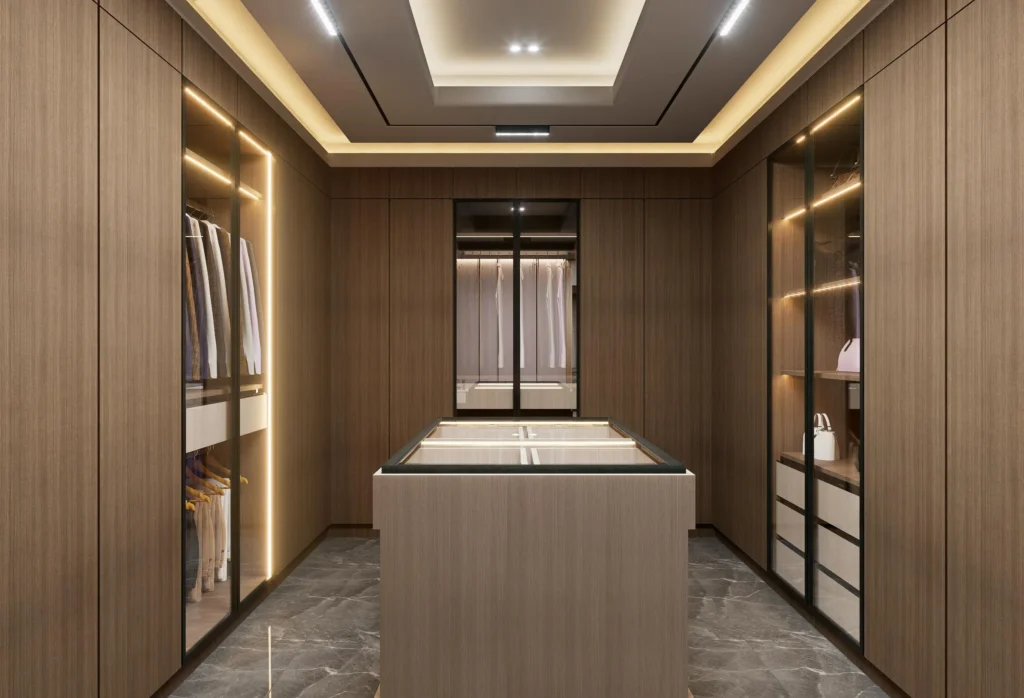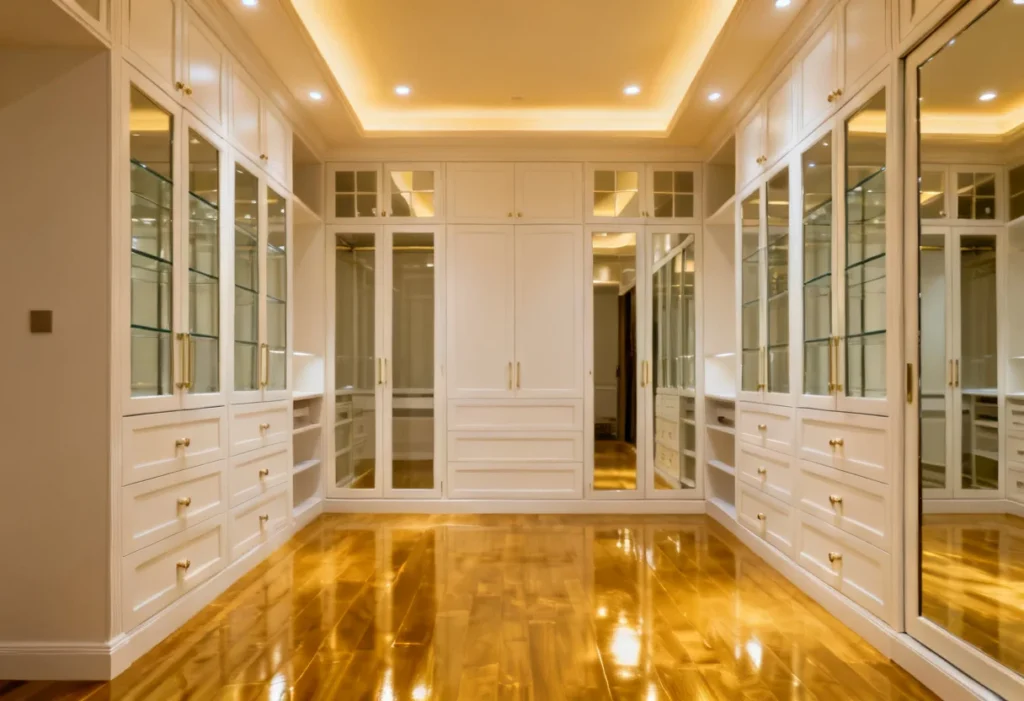
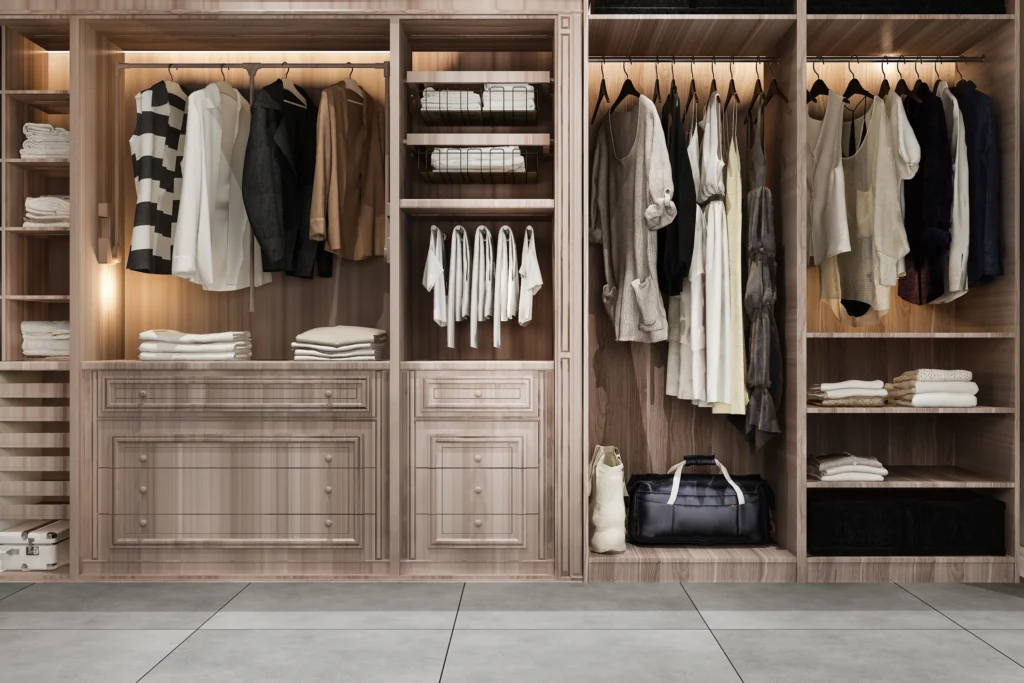
Closet design shapes how people think, act, and move through daily routines. It functions as more than storage for clothing. A well-planned closet becomes a system that supports daily decisions and habits. It reduces visual clutter and lowers stress, creates order and improves focus, and also supports a more organized and efficient lifestyle. Closet design centers on alignment with human behavior. The layout defines how items are stored and accessed. Clear placement creates consistency in daily routines. Organized systems reduce time spent searching and deciding. This structure supports faster and more confident choices each day.
St. James Closets build tailored storage environments that combine function and visual clarity. Each design uses structured layouts, defined zones, and accessible storage. These elements help homeowners maintain order and consistency. The result is a space that supports a more structured and efficient day.
Understanding the Link Between Closet Design and Behavior

Human behavior is strongly influenced by the surrounding environment. Cluttered or disorganized spaces increase the mental effort required to process information. The brain must sort through visual noise, which leads to decision fatigue, frustration, and wasted time. This constant effort slows down routines and reduces overall efficiency.
Closet design creates order and reduces this mental load. Clearly defined sections and intuitive layouts allow the brain to process information quickly. Items remain visible and easy to locate. This structure supports smoother daily routines and reduces unnecessary stress. Closet design also improves daily decision-making. Morning routines often involve choosing what to wear, and a disorganized closet makes this process slower and more overwhelming. A structured system simplifies these choices by grouping similar items together, providing full visibility of available options, and eliminating unnecessary clutter. This organized approach leads to faster and more confident decisions, allowing the day to begin with clarity and focus.
How Closet Design Reduces Stress
Visual Clarity and Mental Calm
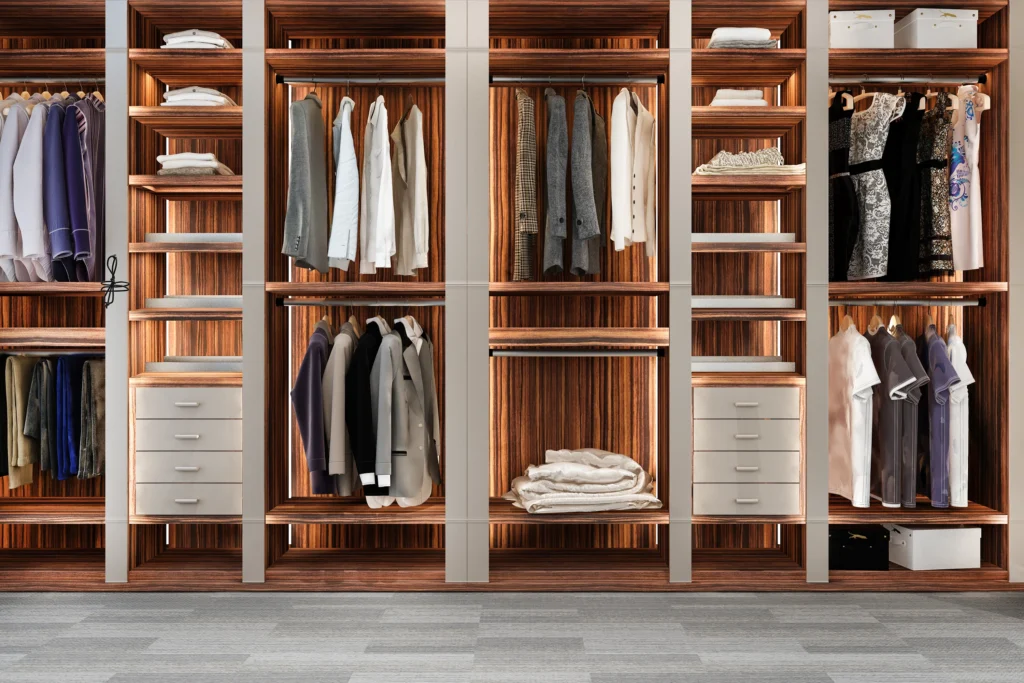
A cluttered space often leads to a cluttered mind, making it harder to focus and stay relaxed. Closet design that emphasizes clean lines, organized shelving, and balanced layouts creates a sense of visual clarity that supports mental calm. When items are arranged in a structured and intentional way, the space feels more open and easier to navigate. When everything has a designated place, the environment feels controlled and predictable. This sense of order reduces the need for constant decision-making and searching, which helps lower stress levels. Over time, this organized setup can improve overall well-being by creating a calm and stable start to each day.
Eliminating Daily Friction
Small frustrations in a closet space can quickly add up and disrupt daily routines. Searching for missing items, dealing with overcrowded shelves, or navigating poorly arranged storage can slow down even simple tasks. Closet design addresses these issues by creating a system that supports ease and efficiency. Providing adequate storage for all items ensures that nothing is forced into tight or unsuitable spaces, which helps maintain order over time. Creating easy access points allows frequently used items to be reached quickly without unnecessary effort or movement. Reducing overcrowding keeps shelves, drawers, and hanging areas clear and manageable, preventing visual and physical clutter.
Together, these elements remove common sources of frustration and create a smoother, more enjoyable daily experience where routines feel natural, efficient, and stress-free.
The Role of Custom Closet Design in Habit Formation
Building Consistent Routines
Habits are formed through repetition, and the environment plays a direct role in reinforcing those patterns. Closet design that is clear and intuitive encourages consistent behavior because it removes uncertainty and makes actions easier to repeat every day.
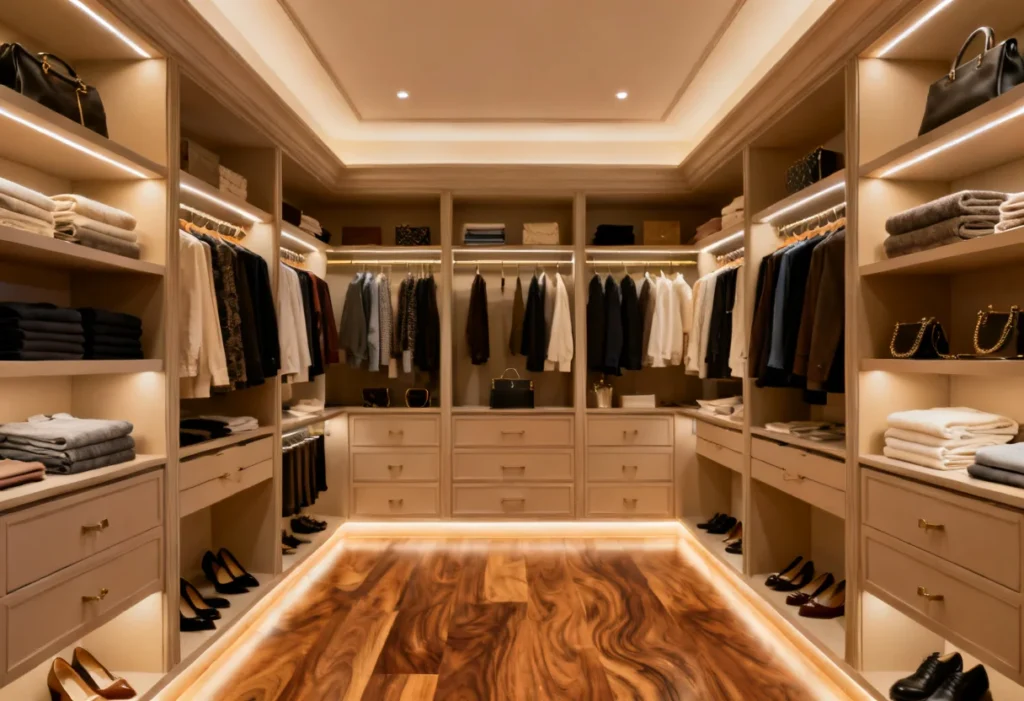
A designated space for shoes makes it easier to keep them organized because there is a clear location to return them after use. This reduces the chance of clutter building up on floors or in random areas. Built-in drawers encourage proper storage of smaller items by giving accessories, undergarments, and essentials a defined place, which helps prevent them from being misplaced or mixed together. Clearly defined sections support consistent placement by grouping clothing types into specific zones, making it easier to return items to the same spot after each use.
Over time, these small, repeated actions become automatic, turning organization into a natural part of the daily routine rather than a task that requires extra effort.
Encouraging Organization as a Lifestyle
Closet design does more than organize belongings, it shapes how people approach organization in daily life. A structured space encourages a structured mindset, making it easier to maintain order without constant effort. When everything is arranged with purpose, it becomes more natural to keep it that way. This creates a positive cycle where an organized space leads to better habits, and those habits help maintain long-term organization. As routines become more consistent, the need for frequent reorganization decreases, and the space continues to function efficiently over time.
Custom solutions from St. James Closets are designed with this principle in mind. Each system supports long-term usability by aligning with real habits and daily routines, helping homeowners maintain consistency, reduce clutter, and sustain an organized lifestyle.
Key Elements of Effective Closet Design
Functional Layouts
A successful closet design begins with a layout that reflects how the space is used on a daily basis. The arrangement of storage areas determines how easily items can be accessed, stored, and maintained over time. Every section is planned with intention to support efficiency and consistency.
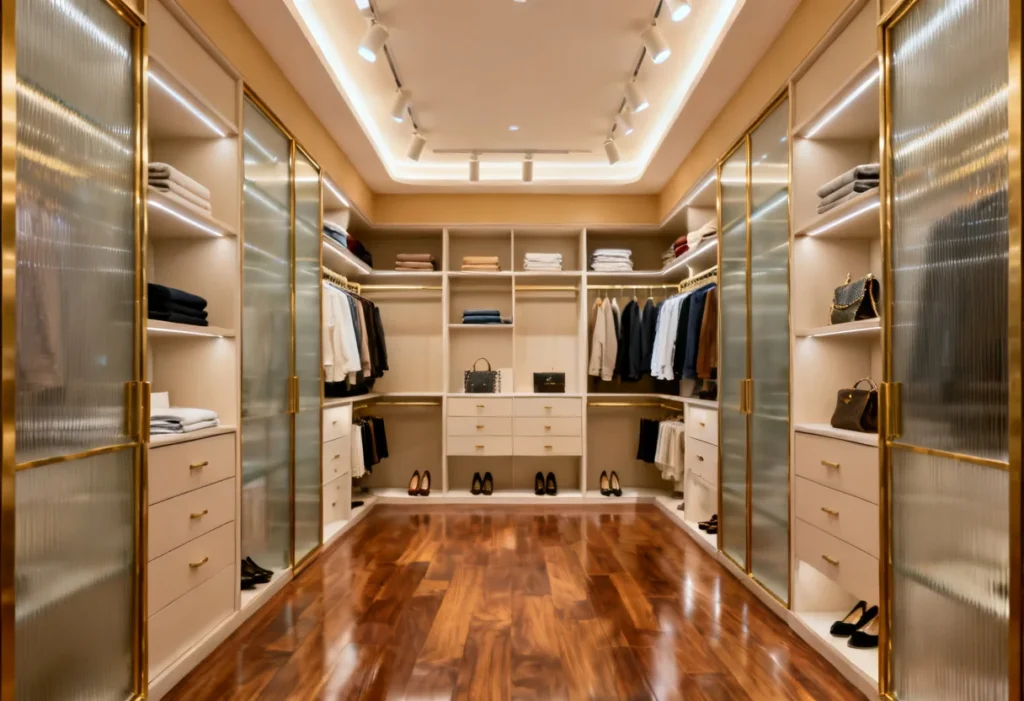
Double hanging sections help maximize vertical storage by allowing more clothing to fit within the same footprint, making them ideal for shirts, blouses, and shorter garments. Open shelving improves visibility by keeping items in plain sight, which reduces the need to search and helps maintain organization. Accessible drawers provide convenient storage for frequently used items, ensuring that essentials remain within easy reach while keeping surfaces clean and uncluttered.
Together, these elements create a layout that supports smooth movement and efficient daily routines.
Smart Storage Solutions
Modern closet design incorporates smart storage features that enhance usability and adapt to changing needs. These solutions focus on flexibility and long-term functionality, allowing the space to remain effective over time.
Adjustable shelving systems make it easy to reconfigure storage as clothing collections or storage needs evolve. Built-in organizers create dedicated spaces for accessories, ensuring that smaller items remain neatly arranged and easy to locate. Pull-out accessories, such as racks or trays, improve accessibility by bringing items forward, reducing the need to reach or search in deeper spaces.
These features allow the closet to stay organized and functional, even as lifestyle needs shift.
Balanced Aesthetics
While function is essential, the visual appearance of a closet also plays an important role in the overall experience. A well-designed closet should feel cohesive, clean, and inviting, making it a space that is both practical and enjoyable to use. Coordinated finishes create a unified look by ensuring that all materials and colors work together seamlessly. Sleek hardware adds a refined and modern touch while maintaining ease of use. Integrated lighting enhances visibility and highlights key areas, making the space feel brighter and more polished.
These design details contribute to both usability and satisfaction, creating a closet that not only performs well but also feels visually balanced and thoughtfully designed.
How Closet Design Improves Time Management
Time is one of the most valuable resources in daily life, and closet design that prioritizes accessibility and organization helps reduce the time spent searching for items. When everything is clearly arranged and easy to reach, morning routines become faster and more efficient, allowing you to move through each step without unnecessary delays or frustration.
A well-organized closet also supports better wardrobe management by making it easier to track what you own, identify gaps in your clothing collection, and maintain a functional and balanced wardrobe. With full visibility and structured storage, you can make more intentional choices about what to wear and what to keep, leading to improved planning and a more streamlined approach to daily dressing.
Closet Design and Personal Identity
Closet design is not one-size-fits-all. It should reflect your lifestyle, preferences, and daily habits so the space supports how you actually live. Professionals may need dedicated areas for formal wear to keep garments organized and ready to use. Active individuals may prioritize storage for athletic gear to allow quick access before and after activities. Families may require shared storage solutions that keep items separated yet accessible for multiple users. Customization ensures that every section of the closet aligns with specific needs, creating a system that feels practical and easy to maintain.
At the same time, a well-designed closet becomes more than just a storage area, it becomes a personal space that supports daily routines. It allows you to interact with your belongings in a way that feels intentional and organized, reducing stress and improving overall comfort. This sense of ownership and control contributes to greater satisfaction, turning the closet into a space that not only functions well but also enhances your everyday experience.
The Impact of Closet Design on Home Value
A Functional Upgrade
Closet design is one of the most practical upgrades a homeowner can make because it directly improves how everyday spaces are used. A well-designed closet increases storage efficiency, reduces clutter, and supports smoother daily routines. It transforms underutilized areas into organized systems that make it easier to manage clothing and personal items. This upgrade enhances daily living by saving time, reducing stress, and creating a more structured home environment. It also improves the overall functionality of the home by ensuring that storage works seamlessly with the layout rather than against it.
Increased Buyer Appeal
Homes with custom closet systems are often more appealing to buyers because they demonstrate thoughtful design and efficient use of space. Organized storage solutions signal that the home has been carefully planned and maintained, which can influence buyer perception in a positive way. A well-designed closet creates a strong first impression by showcasing both practicality and attention to detail. It highlights the potential for an organized lifestyle within the home, making the property feel more valuable and desirable. This added appeal can contribute to increased interest and a more favorable overall perception during the buying process.
Why Professional Closet Design Matters
Professional designers bring expertise in space planning that ensures every area of a closet is used efficiently and purposefully. They carefully evaluate room dimensions to understand the available space and determine the most effective layout. Storage needs are assessed to ensure that clothing, accessories, and personal items are properly accommodated without overcrowding. Accessibility is also a key consideration, allowing frequently used items to remain easy to reach while maintaining overall organization. Together, these factors create a design that is both functional and practical for everyday use.
High-quality materials and craftsmanship further elevate custom closet design beyond layout alone. Durable materials are selected to ensure long-term performance, while precise installation ensures that every component fits seamlessly within the space. St. James Closets focuses on delivering solutions that are built to last, combining structural integrity with refined finishes that maintain their appearance and function over time.
At the same time, professional closet design services take a tailored approach that reflects the individuality of each homeowner. Every home has unique dimensions, and every person has different storage habits and lifestyle needs. Custom solutions are developed to match these requirements, ensuring that the final design feels personal, intentional, and aligned with how the space is actually used.
Designing a Closet That Works for You
The first step in effective closet design is to assess your current storage needs and challenges. This involves identifying what aspects of your existing setup are working well and what areas create frustration or inefficiency. Understanding these patterns helps define what needs to change, whether it is lack of space, poor organization, or limited accessibility. Prioritizing functionality ensures that the design focuses on practical improvements that enhance daily use. Easy access to frequently used items reduces time spent searching and improves overall efficiency. Adequate storage for all belongings prevents overcrowding and helps maintain order over time. Flexible components, such as adjustable shelving or modular systems, allow the space to adapt to different storage needs and usage patterns.
Planning for the future is equally important in closet design. Storage needs often change over time due to lifestyle shifts, wardrobe updates, or family growth. Adjustable systems provide long-term usability by allowing the layout to evolve as needed, ensuring the closet remains functional, organized, and relevant for years to come.
The Future of Closet Design
Closet design continues to evolve as homeowners look for more efficient and personalized storage solutions that better support daily life. Modern closets are shifting from static storage spaces into adaptable systems that respond to individual routines and changing needs. This evolution reflects a stronger focus on usability, comfort, and long-term functionality within the home. Future trends are expected to include integrated smart features that improve convenience and organization through technology-driven solutions. These may support better tracking of items, improved lighting control, and more intuitive storage management systems. Sustainable materials are also becoming more important, with a growing emphasis on environmentally responsible choices that still maintain durability and aesthetic appeal. Enhanced customization options will continue to expand, allowing homeowners to design storage systems that reflect highly specific needs, preferences, and spatial requirements.
These innovations will further strengthen the connection between environment and behavior, reinforcing how thoughtfully designed spaces can influence habits, improve efficiency, and support a more organized lifestyle over time.
In Conclusion
Closet design is more than a structural element. It functions as a behavioral tool that influences daily habits and routines. Organized and intuitive spaces reduce mental load and support clearer decision-making. They also improve how efficiently people move through everyday tasks. A well-designed closet brings structure into routine activities and creates a more predictable environment. This level of organization helps reduce stress by minimizing clutter and confusion. It supports better habits by making order easier to maintain over time. It also improves daily routines by streamlining how items are stored, accessed, and used. When the environment is structured, behavior naturally becomes more structured as well. Investing in thoughtful closet design supports a more efficient and balanced lifestyle. It improves how space is used and how time is managed. It creates long-term value by combining functionality with consistency, helping the home work better for the people living in it.
Ready to transform your daily routine with a closet design that is built around your needs and habits? A well-planned system brings structure, clarity, and ease into your home by making every item easy to find, store, and maintain. Instead of dealing with clutter or wasted time, you move through your day with a smoother, more organized flow that supports both comfort and efficiency. With custom solutions, your space is designed to fit your lifestyle rather than forcing you to adapt to a fixed layout. Expert guidance and tailored craftsmanship ensure that every detail, from storage placement to overall layout, is carefully considered to maximize functionality and long-term usability. The result is a closet that not only looks refined but also works seamlessly in everyday life. Take the first step toward a more organized and efficient lifestyle today, and create a space that supports better routines, reduced stress, and a more intentional way of living.
📧admin@stjamesclosets.com📍9560 Blenheim Blvd, Fairfax, VA 22031 ☎️703-947-0816