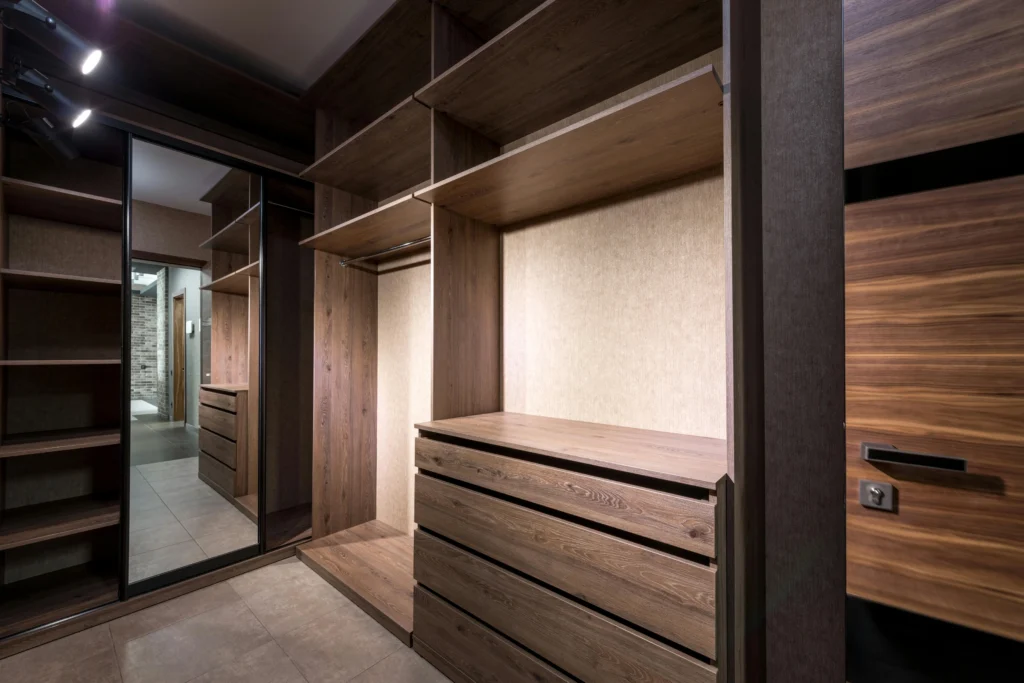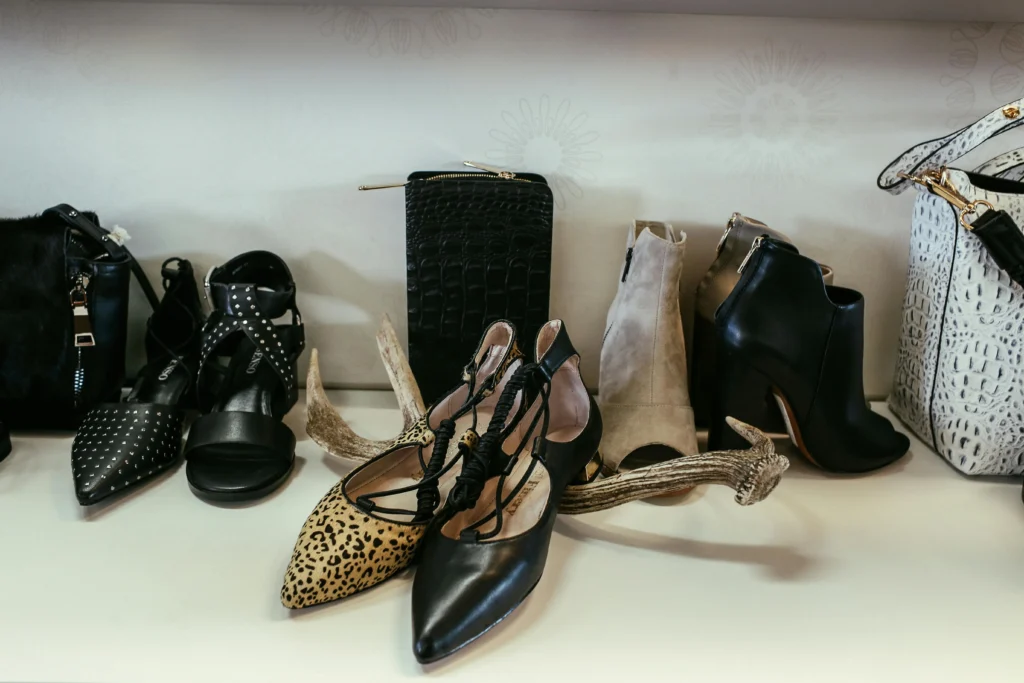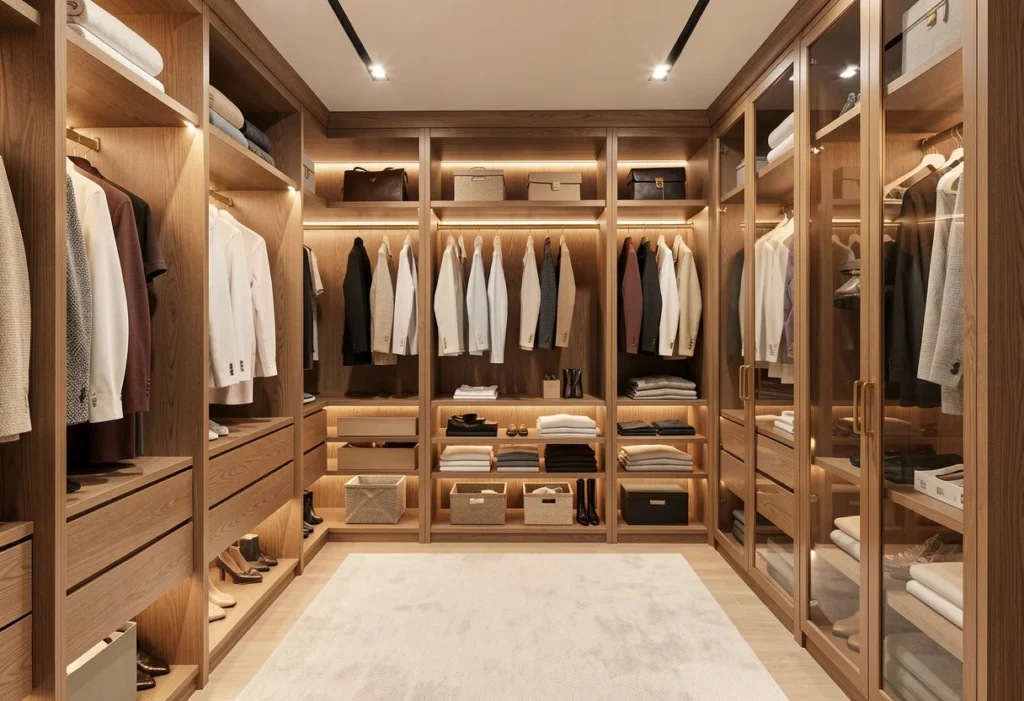

A professional closet designer brings expertise, precision, and creativity to spaces that are often underused or poorly organized. While DIY solutions may seem appealing at first, they rarely match the function, durability, and personalization that a trained designer can provide. Closets are more than storage areas, they are everyday environments that shape routines, save time, and support peace of mind. Partnering with a closet designer ensures your space is created with intention, built around real habits, real storage needs, and real life.
This blog explores the key benefits of working with a closet designer, including maximizing every inch of space, improving organization, and boosting your home’s resale value.
Why Closets Matter More Than Most People Realize
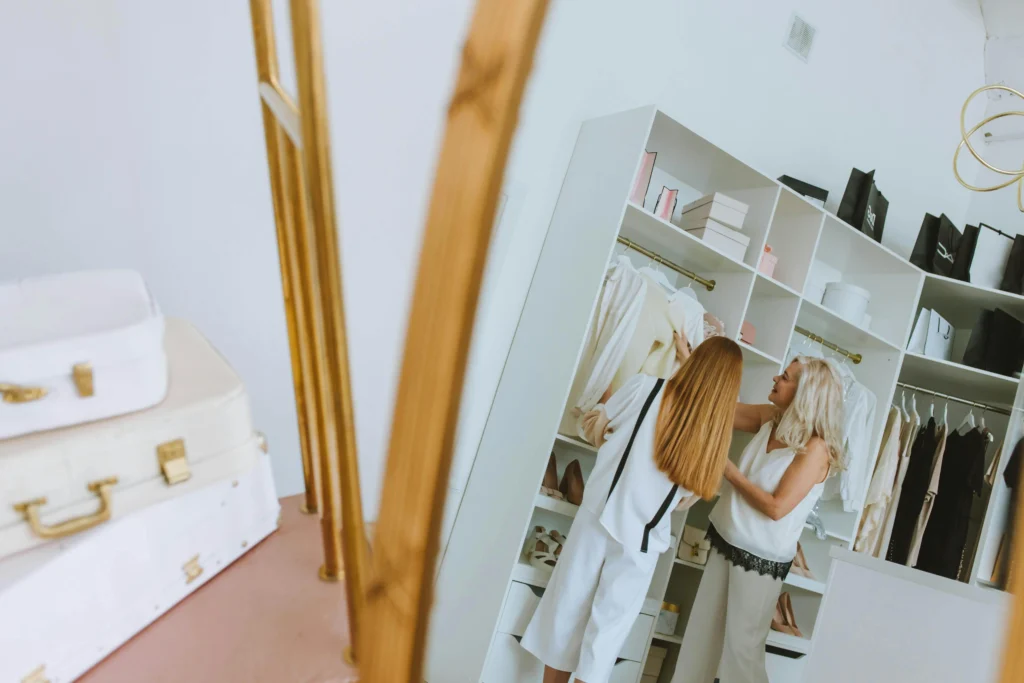
Closets quietly influence everyday life in ways that many people overlook. A thoughtfully designed closet does far more than simply hold clothing, it organizes your daily routine, reduces stress, and helps maintain a sense of order throughout your home. When a closet functions effectively, mornings become less chaotic, items are easy to locate, and rooms feel tidy and serene, creating a calmer, more efficient environment for the entire household. In contrast, a poorly planned or cluttered closet can quickly lead to frustration, wasted time, and unnecessary stress, as clothing, shoes, and accessories pile up or become difficult to access.
Over time, this disorganization can spill over into other areas of life, making even small tasks feel burdensome. By designing closets with purpose, you create a space that not only stores belongings but also supports smoother routines, improves daily efficiency, and fosters a greater sense of control and peace in your home.
Closets shape daily routines
The right closet design ensures that clothing, shoes, and accessories are not only stored but organized in a way that makes them instantly accessible. Thoughtfully planned hanging sections, adjustable shelving, and drawers arranged according to how often items are used allow every family member to find what they need quickly, eliminating the frustration and clutter of rushed mornings. For example, work outfits can be kept at eye level for easy selection, children’s shoes can have dedicated low racks for independent access, and seasonal or special-occasion clothing can be stored in clearly labeled zones.
An intuitive layout streamlines daily routines, reduces decision fatigue, and prevents last-minute scrambles, ultimately saving valuable time each week. Beyond practicality, a well-organized closet fosters a sense of calm and efficiency, making dressing, packing, or preparing for events a smoother, more enjoyable experience for everyone in the household.
Storage impacts stress levels
Disorganization doesn’t just affect your wardrobe, it affects your mind, too. Visual clutter competes for your attention, pulling your focus in multiple directions at once and creating a persistent feeling of overwhelm. Even in rooms that are otherwise calm and aesthetically pleasing, a disorganized closet or storage area can subtly contribute to stress, making it harder to relax or concentrate. When every item has a designated spot, the visual chaos disappears, and the home immediately feels more serene and inviting.
Organized storage systems do more than just create neat spaces, they reduce decision fatigue by making it easier to find what you need, prevent conflicts over shared areas by clarifying where belongings belong, and foster a sense of calm that permeates throughout your living environment. Over time, this orderliness can have a surprisingly positive effect on mental well-being, encouraging mindfulness, increasing productivity, and giving you a greater sense of control over your daily life.
A functional closet extends wardrobe life
Proper storage is essential for protecting your clothing, shoes, and accessories, ensuring they stay in top condition for years to come. Garments that are hung or folded correctly experience less wrinkling, stretching, or color fading, keeping them looking fresh and ready to wear. Shoes stored on dedicated racks maintain their shape and structure, while handbags stay pristine, free from scratches or dents. Delicate items, whether fine fabrics or cherished accessories, benefit from the protection offered by drawers, bins, or specialized compartments.
By investing in a closet that organizes your items thoughtfully, you not only save time and reduce daily stress, but you also preserve the quality and longevity of your wardrobe. This careful organization safeguards your favorite pieces, protects your financial investment, and allows you to enjoy a wardrobe that always looks as good as the day you bought it.
What a Professional Closet Designer Actually Does
Many people assume a closet designer’s job is simply to install shelves, but in reality, their role is far more strategic and comprehensive. A professional designer begins by evaluating the existing space, examining layouts, awkward corners, ceiling height, lighting, and how traffic moves through the area. They then assess lifestyle and household needs, taking into account wardrobe size, daily habits, family requirements, and anticipated growth over time. Using this information, designers create a custom plan that maps out hanging space, shelving, drawers, cabinets, and specialized accessories with clear purpose, every inch is designed to work efficiently rather than relying on guesswork.
Beyond functionality, they provide guidance on materials, finishes, and hardware, helping homeowners choose durable, attractive options that not only complement the home’s aesthetics but also withstand the demands of daily use. In short, a closet designer combines expertise, planning, and foresight to transform an underutilized space into an organized, adaptable, and visually appealing environment.
Customization You Can’t Get Off-the-Shelf
Prefabricated closet units are built for the “average” home and the “average” user, but real families rarely fit that mold. A custom-designed closet, by contrast, is created around your exact space, ensuring every component fits perfectly whether the closet is narrow, angled, shallow, or unusually large. Beyond dimensions, a professional designer tailors the system to your belongings, accommodating everything from long dresses and work uniforms to handbags, sports equipment, and extensive shoe collections.
Equally important, the design reflects your daily habits: whether you prefer folding or hanging clothing, share space with a partner, or rotate wardrobes seasonally, the closet adapts to support the way you actually live. In short, custom design transforms a simple storage area into a functional, efficient, and personalized space that prefab units simply cannot match.
Maximum Use of Space — Down to the Inch
One of the biggest advantages of hiring a professional closet designer is their expertise in maximizing space that would otherwise go unused. Vertical areas, often overlooked in standard closets, are transformed into fully functional storage with thoughtfully placed rods, adjustable shelves, and custom cabinets that extend from floor to ceiling. Awkward corners and irregular nooks, which might otherwise become dead zones, are optimized with solutions like corner shelving, curved hanging rods, and specialty hardware, making every inch accessible and practical. Even hidden or unconventional storage opportunities are uncovered: behind-the-door organizers, slim pull-out drawers, discreet toe-kick compartments, and under-shelf baskets all add capacity without creating visual clutter.
Beyond simply increasing storage, a skilled designer considers flow and ergonomics, ensuring that frequently used items are easy to reach while less-used pieces are cleverly tucked away. The result is a closet that not only feels spacious and organized but is also perfectly tailored to your lifestyle, blending efficiency with elegance and transforming everyday routines into seamless, stress-free experiences.
A Closet Designer Helps Avoid Costly Mistakes
DIY closet projects may seem like a cost-effective solution at first, but hidden pitfalls often turn them into expensive, time-consuming mistakes. Even minor measurement errors can lead to gaps, misaligned shelves, or wasted materials, frustrating any sense of progress. Selecting components without considering weight capacity can result in sagging rods, warped shelves, or even collapsing units, while mismatched store-bought parts rarely fit together seamlessly, leaving your closet looking patchy and unprofessional. Beyond these obvious issues, DIY projects often overlook important details like proper spacing for long garments, corner optimization, or hidden storage opportunities, which can compromise both functionality and aesthetics.
A skilled closet designer anticipates these challenges from the outset, providing precise measurements, durable materials, and cohesive components that integrate perfectly. By planning ahead and considering every detail, they prevent costly errors before they happen, ensuring a polished, long-lasting closet that maximizes space, protects your belongings, and delivers true peace of mind.
Professional-Grade Quality and Craftsmanship
Custom closet systems installed under professional guidance are built to last, offering durability and functionality that far surpasses typical off-the-shelf solutions. Experienced designers select high-quality, resilient materials that can withstand years of daily use, avoiding options prone to sagging, warping, or premature wear. Precision installation ensures that every shelf, rod, and cabinet is perfectly aligned, securely anchored, and capable of handling the demands of a busy household, creating a stable and safe system you can rely on.
Beyond structural integrity, thoughtful finishing touches elevate the closet from simple storage to a purpose-built, elegant space: soft-close drawers reduce noise and wear, integrated handles maintain a streamlined appearance, and coordinated finishes bring cohesion and style. The result is a closet that combines long-lasting durability with beauty and functionality, designed to meet real-life needs while enhancing the overall comfort and aesthetic of your home.
A Closet Designer Saves Time
Planning and building a functional storage system on your own can quickly become a time-consuming and frustrating endeavor. It often involves extensive research, multiple trips to stores, trial-and-error assembly, and constant adjustments that test both patience and precision. By contrast, working with a professional closet designer streamlines the entire process, turning what could be a stressful project into a smooth, efficient experience. Designers bring experience and expertise that allow them to plan layouts, select materials, and choose accessories with confidence, knowing exactly what works and what doesn’t.
Installation is precise and efficient, often completed in a fraction of the time a DIY project would require. Most importantly, there is no costly trial and error: every component is measured, fitted, and installed correctly the first time. This approach not only saves time and money but also guarantees a polished, functional, and thoughtfully designed closet that meets your needs perfectly from day one.
Better Organization — Designed to Stay Organized
A well-designed closet naturally encourages order by making it simple to see, reach, and return items where they belong. Instead of everything being piled together, thoughtful organization creates clear zones for different types of belongings. Separate areas for formalwear, everyday clothing, activewear, accessories, and shoes ensure each category has a defined “home,” reducing clutter and saving time when getting dressed. Easy visibility also plays a major role, features such as open shelving, pull-out racks, and glass-front drawers make it simple to find what you need at a glance, eliminating the frustration of digging through stacked items.
A family-friendly closet also includes systems children can actually use. Kid-height rods, shelves, and bins empower younger family members to put away and retrieve their own clothing, helping them develop organizational habits while minimizing daily stress for parents.
A Closet Designer Considers Lighting and Accessibility
These often-overlooked elements may seem small, but they make a major difference in how a closet actually functions day to day. Proper lighting placement is essential because good illumination helps you see colors accurately, read labels, and avoid rummaging through piles of clothing in dim corners. Motion-activated or sensor lighting adds even more convenience—lights turn on automatically when you enter, making hands-free access ideal for tight, high, or shared spaces where switches are inconvenient. Accessibility planning is another key factor that DIY projects frequently miss.
A professional designer ensures that the most-used items are never blocked, buried, or placed in awkward zones. Instead, everyday essentials are positioned front and center, while less-frequently used pieces are stored higher or farther back. Together, these thoughtful details turn a basic closet into a comfortable, efficient, and truly user-friendly space.
Personalized Style and Cohesive Design
Function matters but appearance does too. A professionally designed closet doesn’t just store items well; it also enhances the overall look and feel of your home. Coordinated finishes ensure that hardware, shelving, and cabinetry match the existing interior design, creating visual harmony instead of a patchwork of different materials. A polished, built-in look replaces the feel of mismatched storage units, making the closet appear intentional, custom, and complete. Designers also offer options for any aesthetic preference, whether you lean toward sleek modern minimalism, warm classic wood tones, or intricate, luxurious detailing. By aligning form with function, a closet designer creates a space that is not only practical but also beautiful, a place you actually enjoy opening every day.
Increased Home Value and Buyer Appeal
Closets are now a major selling point in modern homes, influencing both first impressions and overall property value. Buyers immediately notice storage, and a beautifully designed closet signals that the home has been planned thoughtfully and maintained with care. Custom organization systems create a premium perception, suggesting upgrades, attention to detail, and a higher level of functionality throughout the house. Beyond aesthetics, a well-designed closet is a true long-term investment, it makes everyday life more convenient, keeps belongings organized, and can significantly enhance resale value when it’s time to sell.
When Should You Hire a Closet Designer?
Several situations make professional help from a closet designer especially valuable. During new home construction, designers can integrate storage seamlessly from the beginning, ensuring closets are planned rather than treated as an afterthought. In home remodeling projects, closet redesign naturally pairs with bedroom or bathroom renovations, creating a coordinated and upgraded look. Growing families also benefit from expert planning as wardrobe sizes, hobbies, and work requirements change over time and demand more efficient organization. Even when downsizing, a designer becomes essential, since smaller homes require smarter, more strategic storage solutions to remain clutter-free and functional.
Signs You Could Benefit from a Closet Designer
You may not realize how much a closet designer could help until you start recognizing certain warning signs in your daily routine. If clothing constantly ends up draped over chairs or piled on the floor, it usually means the closet isn’t providing enough accessible space. When shoes, belts, or accessories are hard to locate, you waste time searching and start the day frustrated. If you can’t clearly see what you own, or you frequently rebuy items you already have because they were hidden or forgotten, your storage system is working against you rather than for you.
Seasonal changes that require chaotic reshuffling, stuffing coats away, digging for summer wear, or rearranging everything twice a year, are another strong indicator. If any of these situations feel familiar, your current closet isn’t supporting your lifestyle, and a professional designer can transform it into a space that truly works for you.
Myths About Hiring a Closet Designer
Several misconceptions hold people back unnecessarily.
| “It’s only for large homes” | Small spaces benefit the most because every inch matters. In compact closets, there is very little room for error—an unused corner, poorly placed shelf, or inefficient layout can quickly lead to clutter and frustration. A professional closet designer can turn even the tiniest area into a highly functional storage system by maximizing vertical height, adding smart organizers, and creating dedicated zones for different items. With thoughtful planning, a small closet can feel larger, stay organized, and comfortably hold far more than you might expect. |
| “It’s too expensive” | Wasted DIY purchases often cost more in the end. Many people start with good intentions, buying bins, shelves, and hanging organizers one piece at a time, only to discover they don’t fit the space or work with their actual habits. Returned items, duplicate purchases, and “quick fixes” that later need replacing can add up quickly, often surpassing the cost of hiring a professional from the beginning. A closet designer helps you avoid this trial-and-error spending by creating a plan first, then choosing only what truly fits and functions. In the long run, thoughtful design saves both money and frustration. |
| “I don’t have enough clothes to justify it” | Closets are about organization and efficiency, not just quantity. A large space filled with random shelves can still feel cluttered and frustrating if it isn’t designed with purpose. What truly matters is how well the layout supports your daily routine, how easily you can see what you own, reach what you need, and put things away without effort. Smart design turns even small closets into highly functional spaces by using zones, adjustable storage, and thoughtful arrangement. Instead of focusing only on “more space,” the goal is to create a closet that works harder, helps you stay organized, and makes everyday life simpler. |
Long-Term Benefits You’ll Notice Every Day
Beyond attractive shelves and cabinetry, deeper advantages emerge when a closet is professionally designed. A well-planned system leads to less clutter spilling into bedrooms and hallways because everything finally has a designated place. Morning routines become faster and easier when clothing, shoes, and accessories are visible and organized instead of hidden in crowded piles. Proper storage also improves the care and lifespan of garments, handbags, and jewelry by preventing wrinkling, crushing, and unnecessary wear.
As the home becomes tidier, overall household stress naturally decreases, replacing daily frustration with a feeling of calm and control. In this way, a closet designer doesn’t just upgrade storage, they improve the flow of your day, your environment, and your sense of peace at home.
Your closet should work as hard as you do. If your current storage feels crowded, inefficient, or outdated, it might be time to rethink it with expert help. A professional closet designer can transform your space into something practical, elegant, and tailored to your life, not a generic solution pulled off a shelf.
Imagine opening your closet and finding everything you need without digging or guessing. Imagine shelving that fits your wardrobe, lighting that shows every detail, and layouts built to adapt as life changes. That level of ease is possible, and it starts with the right designer.
If you’re ready to explore what a professionally designed closet can do for your home, now is the moment to take the next step.