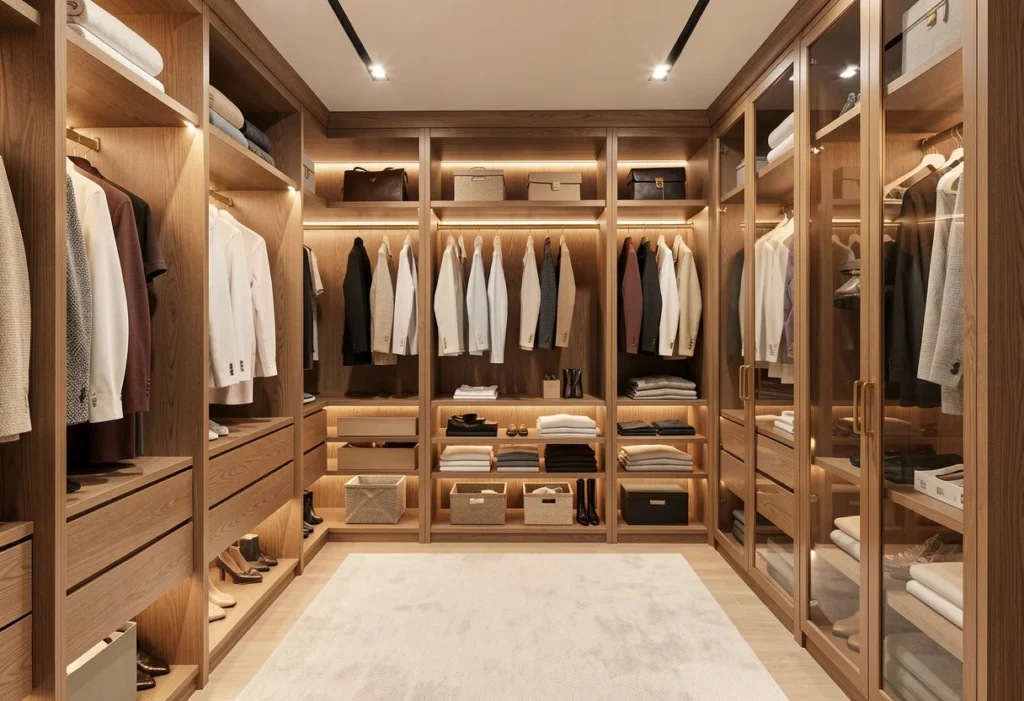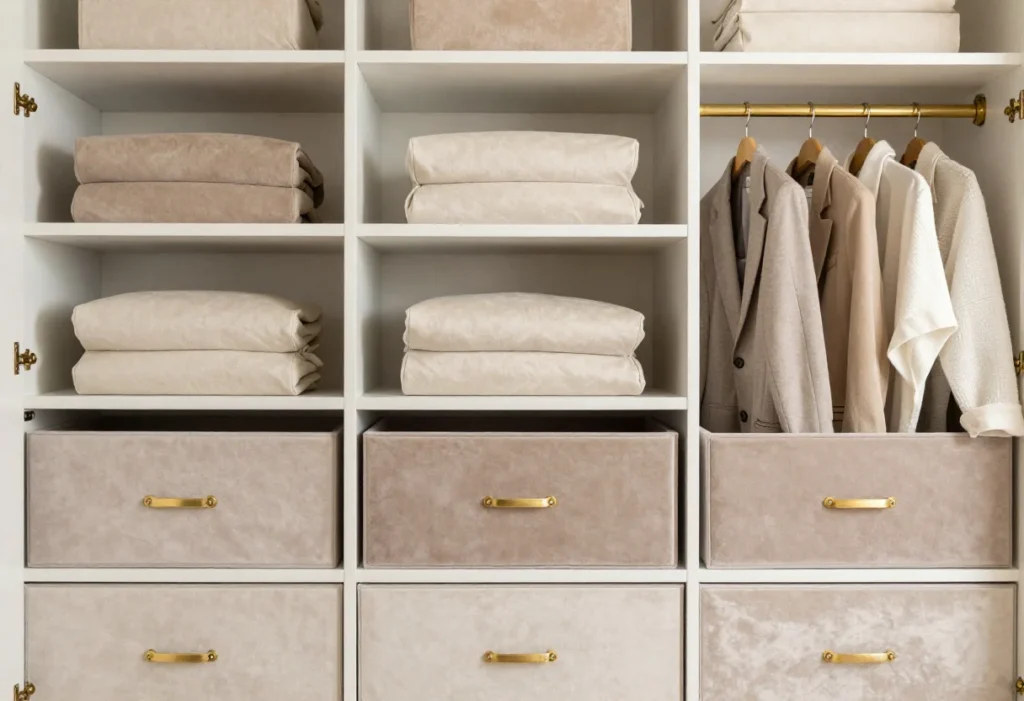
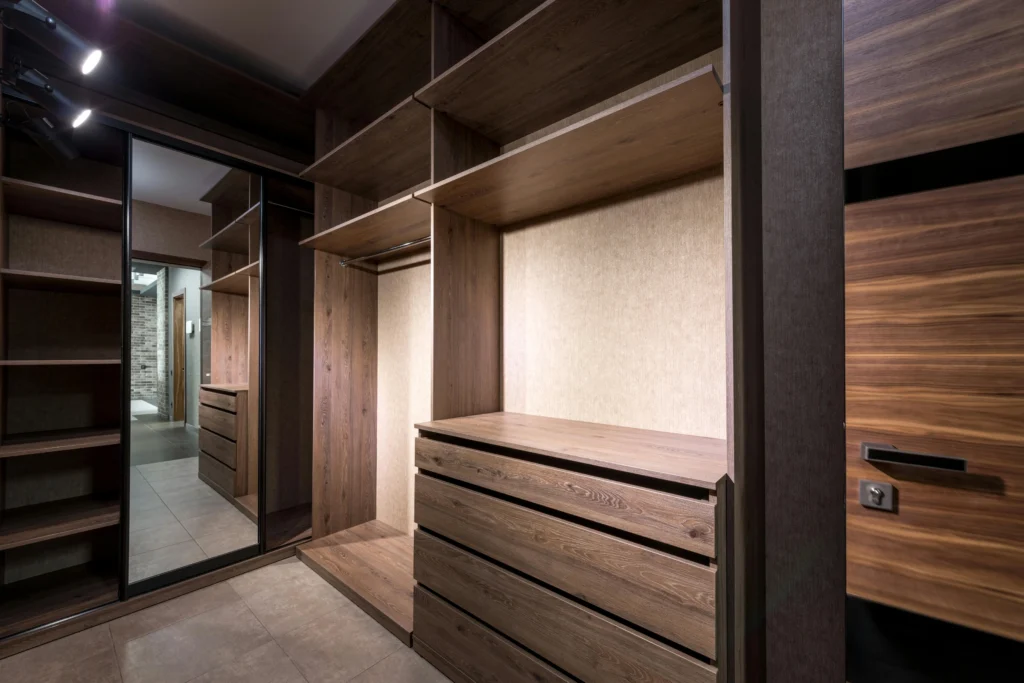
Thoughtful closet design should reflect more than square footage, it should reflect personality, daily habits, and the way you experience your space. Some homeowners prefer clean lines, limited wardrobes, and visual simplicity that creates a calm, clutter-free environment. Others enjoy bold fashion choices, layered accessories, statement pieces, and expansive collections that showcase creativity and individuality. Neither approach is better; they simply require different storage strategies, layout considerations, and organizational systems to function at their best.
At St. James Closets, we design custom storage systems around how people actually live, not just how a space looks on paper. We consider wardrobe size, seasonal rotation, accessory collections, and even morning routines to ensure every shelf, drawer, and hanging section serves a purpose. A closet that aligns with your habits, preferences, and style not only improves organization but also reduces daily stress and decision fatigue. Whether you lean toward minimalist restraint or maximalist expression, the right design brings structure to your belongings while maintaining visual harmony creating a space that feels intentional, functional, and uniquely yours.
Understanding Personality-Driven Closet Design

Closets are deeply personal spaces that quietly shape your daily routine. They influence how smoothly your mornings begin and how relaxed your evenings feel. When your storage system supports your natural habits rather than forcing you into an unfamiliar structure, it reduces friction, saves time, and enhances overall usability. A thoughtfully planned closet design works with your personality, helping you stay organized without constant effort. Instead of battling clutter or struggling to find items, you move through your day with clarity and confidence.
The difference between minimalist and maximalist lifestyles clearly illustrates why personality matters in storage. A minimalist typically owns fewer pieces, chooses items intentionally, and values streamlined organization with clean lines and open space. Their closet design focuses on simplicity, curated visibility, and efficient use of hanging and drawer storage without visual overload. In contrast, a maximalist embraces larger collections, bold variety, and layered accessories. Their storage needs are more complex, requiring expanded shelving, specialized compartments, double hanging sections, and dedicated zones to maintain order while celebrating abundance.
Both approaches are equally valid, they simply demand different structural solutions. By tailoring closet design features to match these distinct personalities, it becomes possible to maintain order without sacrificing style, ensuring the space feels authentic, functional, and aligned with how the homeowner truly lives.
Closet Design for the Minimalist
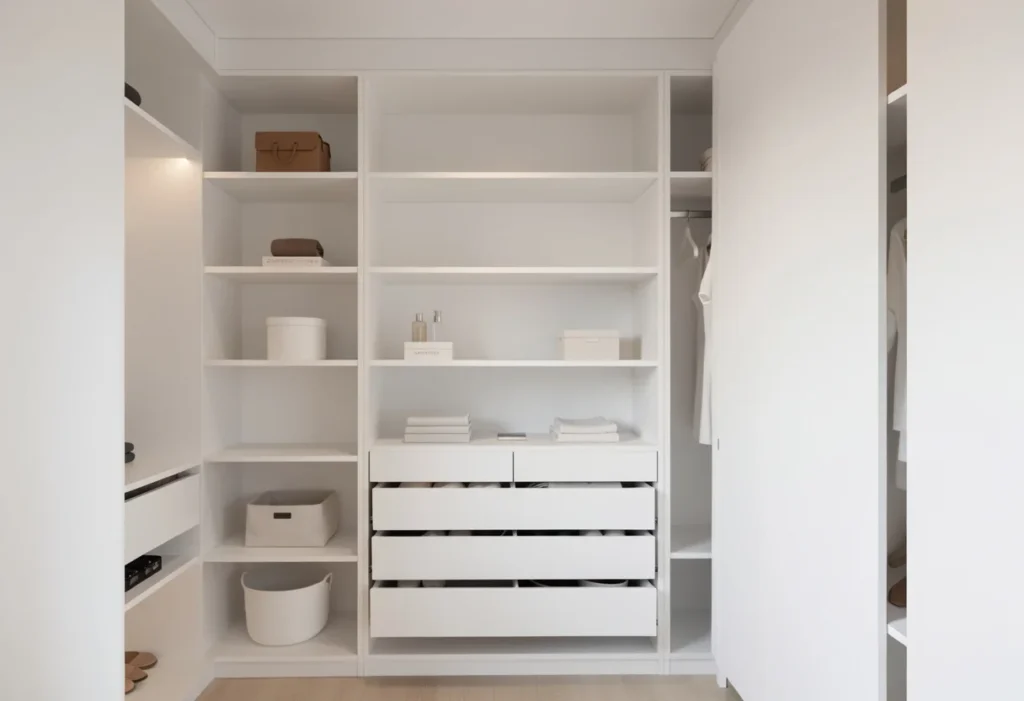
Minimalists value clarity, simplicity, and ease of access. Their closet design emphasizes open space, clean finishes, and structured layouts, allowing them to quickly see and retrieve their essentials without distraction. Every item is carefully curated, stored with intention, and arranged in a way that reduces visual clutter. The result is a calm, serene environment where functionality meets elegance, making dressing and organizing effortless.
Streamlined Wardrobe Storage
Minimalist wardrobes often contain fewer pieces, but those pieces are intentionally selected for quality, versatility, and personal meaning. Because of this curated approach, the closet design must emphasize openness, balance, and visual breathing room rather than maximizing sheer storage capacity. Double hanging sections are especially effective, allowing shirts, blouses, and folded pants to be organized vertically while maintaining consistent spacing that prevents overcrowding. Open shelving with clean lines further reinforces clarity, giving neatly folded garments a structured yet airy presentation that enhances the overall calm aesthetic.
Instead of filling every inch, shelves should allow small gaps between stacks to preserve that sense of order. Drawer use in minimalist closets should also remain limited and purposeful, reserved only for essentials such as undergarments, sleepwear, or select accessories. This prevents hidden clutter from accumulating and supports the minimalist philosophy of intentional ownership. Together, these features create a closet that feels light, organized, and aligned with a streamlined lifestyle.
Neutral Finishes and Lighting
Minimalist closet design typically incorporates neutral tones such as crisp whites, soft grays, warm taupes, or natural wood finishes to create a calm and cohesive atmosphere. These understated colors reflect light, make the space feel larger, and allow the wardrobe itself to remain the subtle focal point rather than competing with bold cabinetry. Clean, matte finishes and simple hardware further reinforce the streamlined aesthetic. Integrated lighting such as recessed LED strips along shelves or under hanging sections enhances visibility while maintaining a soft, unobtrusive glow. Instead of dramatic fixtures, minimalist lighting is designed to feel seamless and functional, ensuring every item is easy to see without overwhelming the space visually.
Focus on Accessibility
In a minimalist closet, every item should be visible and easily reachable to maintain clarity and prevent unnecessary accumulation. When garments and accessories are fully in view, it becomes easier to curate outfits and recognize what you truly wear. Adjustable shelving plays a key role in this approach, allowing the layout to adapt as wardrobe needs evolve whether accommodating seasonal changes, new additions, or shifting storage priorities. This flexibility ensures the closet remains functional over time while preserving the clean, intentional aesthetic that defines minimalist design.
Benefits of Minimalist Closet Design
Minimalist closets offer meaningful lifestyle benefits when their structure is intentionally designed to support simplicity and order.
Reduced visual stress
A streamlined layout with clean lines, neutral tones, and open spacing minimizes sensory overload. When clothing is evenly spaced and surfaces remain uncluttered, the closet feels calm rather than chaotic. This visual clarity creates a peaceful start and end to each day.
Faster outfit selection
With fewer, well-curated pieces displayed clearly, decision-making becomes effortless. You can immediately see your options without digging through crowded racks or overstuffed drawers. This efficiency saves valuable time during busy mornings and reduces decision fatigue.
Easier maintenance
Minimalist storage systems are easier to keep tidy because there are fewer items to manage. Adjustable shelving, double hanging sections, and designated zones make it simple to return items to their proper place. Regular upkeep becomes quick and manageable rather than overwhelming.
Encourages intentional purchasing
When storage is thoughtfully structured, excess becomes obvious. Limited but well-organized space naturally promotes mindful buying habits, encouraging quality over quantity. Each new item must have a purpose and a designated place within the system.
Minimalist closets truly thrive when structure supports simplicity, creating a refined space that enhances daily routines while maintaining effortless order.
Closet Design for the Maximalist
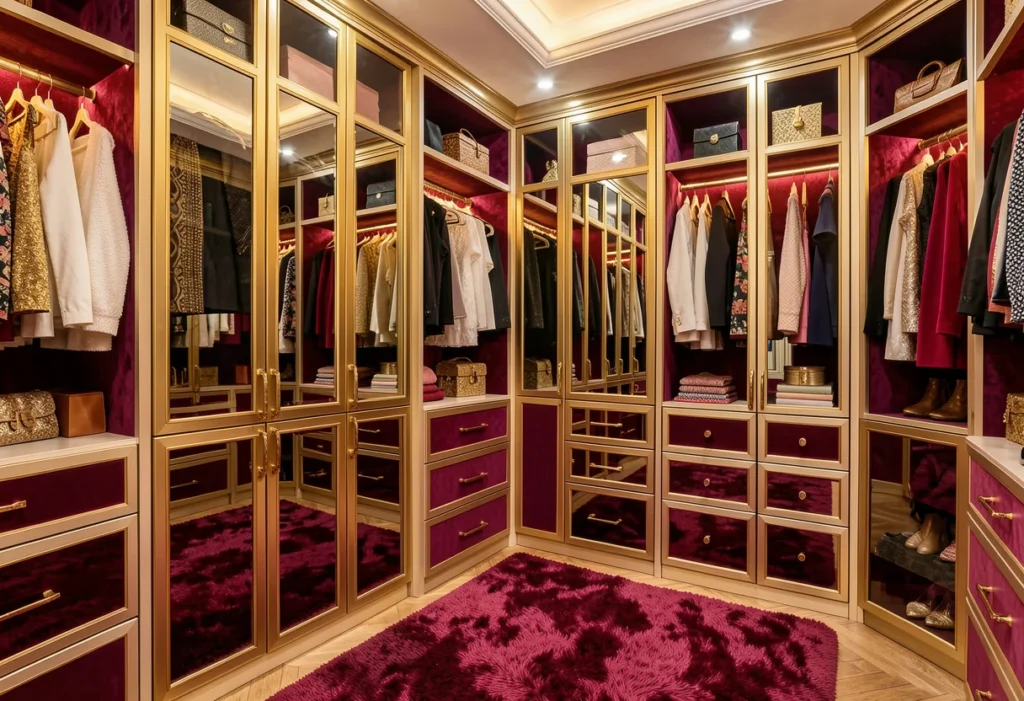
Maximalists embrace abundance, variety, and self-expression through fashion. Their wardrobes often include seasonal pieces, statement items, layered accessories, and diverse textures or colors. Rather than limiting quantity, the goal is to celebrate collection and creativity.
Expanded Hanging Capacity
Maximalist wardrobes often include dresses, jackets, seasonal pieces, statement garments, and layered outfits that require thoughtful separation. Because the collection is more expansive, the storage system must increase capacity without sacrificing clarity or accessibility.
Triple hanging sections are an effective way to maximize vertical space in a maximalist closet. By stacking rods at varying heights, you can separate categories such as blouses, skirts, and folded trousers while significantly increasing overall storage capacity. This approach keeps garments visible and organized rather than compressed together, preserving both fabric condition and visual order.
Specialty hanging areas are equally important. Long-hanging sections should be dedicated to gowns, coats, robes, or formalwear to prevent wrinkling and overcrowding. Creating designated zones for specific garment types ensures that even a large collection feels structured, intentional, and easy to navigate.
Accessory Organization
Maximalists frequently own multiple pairs of shoes, an array of handbags, layered scarves, and extensive jewelry collections. Without intentional organization, these accessories can quickly create visual and physical clutter. A well-designed closet system ensures that every piece has a dedicated home while remaining visible and easy to access.
Custom shoe shelving is essential in a maximalist closet. Angled shoe racks not only maximize vertical space but also display footwear clearly, making selection effortless. Adjustable shelves allow room for everything from heels and flats to boots and specialty footwear, preventing overcrowding and preserving the shape of each pair.
Handbag displays add both function and visual appeal. Open cubbies or adjustable shelving keep bags upright and separated, avoiding stacking that can cause creasing or distortion. By giving each handbag its own space, the collection becomes part of the closet’s design rather than a source of clutter.
Jewelry drawers provide protected, organized storage for valuable and delicate pieces. Velvet-lined compartments prevent scratching and tangling, while divided sections keep necklaces, rings, bracelets, and earrings neatly separated. With proper storage, even an extensive accessory collection remains orderly, accessible, and beautifully showcased.
Layered Storage Systems
Drawers, bins, dividers, and labeled compartments are essential in managing a larger wardrobe collection. Instead of allowing items to compete for space, these structured storage elements create clear boundaries between categories, whether for accessories, seasonal pieces, or everyday essentials. Dividers prevent items from shifting and mixing together, while bins neatly contain smaller belongings that might otherwise create clutter.
Labeling further enhances efficiency by making everything easy to locate and return after use. The goal is not to minimize or reduce the collection, but to organize it intentionally. When each item has a designated home, even an abundant wardrobe feels controlled, accessible, and visually cohesive rather than overwhelming.
Bold Finishes and Personal Touches
Maximalist closet design often embraces richness and character. Darker wood tones, textured finishes, decorative hardware, and integrated mirrors add depth and visual drama while elevating the overall aesthetic. These elements allow the space to feel expressive and luxurious rather than purely functional.
However, personality should never come at the expense of organization. Even in a bold, statement-making closet, structure is essential. Thoughtfully arranged shelving, clearly defined sections, and balanced lighting ensure the space feels curated instead of chaotic. When design and organization work together, a maximalist closet becomes a refined showcase—vibrant, personalized, and beautifully controlled.
Shared Closet Design for Mixed Personalities
In many households, closet design must accommodate both minimalist restraint and maximalist expression within the same space. The key is balance, creating a system that feels cohesive while honoring individual preferences. A thoughtful layout allows each person to function comfortably without compromising overall organization or visual harmony.
A zoned layout is essential in shared closets. Dividing the space into clearly defined sections ensures that each individual has a dedicated area tailored to their storage needs. This prevents overlap, reduces confusion, and maintains order, especially when one person prefers streamlined simplicity while the other manages a larger collection.
Adjustable systems provide long-term flexibility. Modular shelving, movable hanging rods, and reconfigurable compartments allow the closet to evolve as wardrobes grow, shrink, or shift with lifestyle changes. This adaptability ensures the design remains functional over time without requiring a complete overhaul.
A neutral core with personalized accents creates visual cohesion while allowing individuality. Consistent cabinetry finishes and structural elements maintain a unified look, while lighting, hardware, color accents, or decorative touches within each zone reflect personal style. The result is a shared closet that feels intentional, organized, and uniquely suited to everyone who uses it.
Storage Features That Support Both Styles
Regardless of whether a homeowner leans minimalist or maximalist, certain closet design features consistently enhance functionality and long-term organization. These foundational elements ensure the space remains efficient, adaptable, and visually balanced no matter the wardrobe size or style preference.
Custom shelving is one of the most valuable components of a well-designed closet. Adjustable shelf heights allow the system to evolve alongside changing wardrobe needs whether accommodating bulky sweaters one season or additional storage bins the next. This flexibility prevents wasted space and supports better organization over time.
Built-in lighting dramatically improves both visibility and presentation. Integrated LED strips beneath shelves or along hanging sections eliminate shadows, making it easier to see clothing clearly and select outfits efficiently. Beyond practicality, proper lighting elevates the overall aesthetic, transforming a closet into a refined, boutique-like space.
Drawer dividers are essential for maintaining order among smaller items. Accessories such as jewelry, belts, ties, and undergarments can quickly become cluttered without structured compartments. Dividers create designated spaces for each category, reducing frustration and simplifying daily routines.
Finally, a floor-to-ceiling design maximizes vertical space without expanding the closet’s footprint. Extending cabinetry and shelving upward increases storage capacity while maintaining a streamlined appearance. Higher shelves can house seasonal or less frequently used items, while everyday essentials remain easily accessible below. Together, these features create a closet that is both beautiful and highly functional, regardless of personal style.
Walk-In vs Reach-In Closet Design
Closet design should respond not only to personality but also to the type of space available. Whether you have a spacious walk-in or a compact reach-in, thoughtful planning ensures every square inch works efficiently while maintaining visual harmony.
Walk-In Closets
Walk-in closets offer expansive layouts that allow for greater customization and luxury. With additional square footage, homeowners can incorporate central islands for accessory storage, seating, or folded garments. Dedicated zones for shoes, handbags, jewelry, and seasonal clothing create clear organization and easy access.
The larger footprint also allows for specialized features such as built-in mirrors, integrated lighting, display shelving, and even seating areas. When professionally designed, a walk-in closet feels like a private dressing room—organized, elegant, and tailored to daily routines.
Reach-In Closets
Reach-in closets require a more strategic approach. Because space is limited, maximizing vertical storage is essential. Double hanging rods increase capacity without expanding the footprint, while vertical shelving utilizes upper areas for bins or folded clothing. Pull-out drawers and slide-out organizers improve accessibility, preventing items from getting lost in the back.
Even small closets can feel efficient and uncluttered when every component is carefully planned. Smart configurations ensure that storage remains practical without overwhelming the space.
Both walk-in and reach-in closets benefit from professional design that balances function and aesthetics. With the right layout, materials, and organizational features, any closet, large or small, can support your lifestyle while maintaining a polished, cohesive look.
Custom Closet Design by St James Closets
At St. James Closets, we tailor every closet system to reflect individual personalities, daily routines, and long-term lifestyle needs. Our design process goes beyond measurements—we evaluate wardrobe size, storage habits, spatial dimensions, and aesthetic preferences to create a solution that feels intuitive and refined. The result is a space that not only looks beautiful but also functions effortlessly day after day.
Custom solutions may include adjustable shelving and hanging systems that evolve as your wardrobe changes, dedicated accessory storage to keep shoes, handbags, and jewelry organized, and integrated lighting that enhances visibility while elevating presentation. For walk-in closets, island drawers add both storage capacity and a boutique-inspired focal point, while pull-out hampers and valet rods provide practical features that streamline everyday routines.
Whether your style leans minimalist simplicity or maximalist expression, personalized design ensures your closet remains functional, organized, and visually cohesive, designed around how you truly live.
Long-Term Benefits of Personality-Based Closet Design
- Improved daily efficiency
A thoughtfully planned closet eliminates wasted time spent searching for items. When everything has a designated place that matches your routine, getting dressed becomes quicker, smoother, and far less frustrating especially during busy mornings. - Reduced clutter and stress
Clutter creates mental noise. An organized closet provides visual calm and structure, helping reduce decision fatigue and daily overwhelm. When your space feels controlled, your mindset often follows. - Enhanced wardrobe visibility
Smart storage solutions make every piece visible and accessible. Instead of forgetting what you own, you can easily see your options, mix and match outfits creatively, and maximize the value of your wardrobe. - Greater satisfaction with personal space
A closet tailored to your lifestyle feels intentional and personalized. Whether minimalist or expressive, walking into a space that reflects your preferences creates a sense of pride and comfort in your home. - Storage systems that adapt over time
Flexible shelving, adjustable rods, and modular components ensure your closet evolves as your wardrobe and lifestyle change. Instead of redesigning from scratch, your storage grows with you.
Closet design becomes more effective when it aligns with who you are rather than forcing you into a predefined structure. When your space supports your habits, personality, and daily rhythm, organization feels natural, not like a constant chore.
Your closet should feel like it was built for you, because it should be. Whether you prefer a streamlined minimalist wardrobe or a bold maximalist collection, custom closet design makes organization effortless and intuitive. At St. James Closets, we create tailored storage systems that reflect your personality and maximize your space. Contact us today to design a closet that fits your style, supports your routines, and elevates your home.