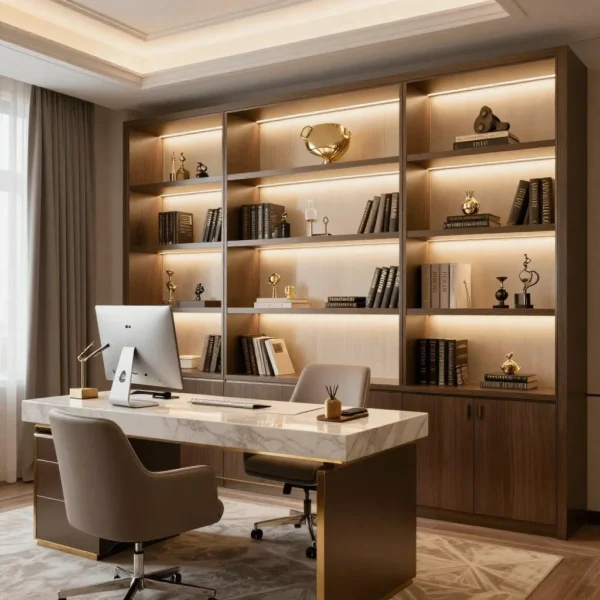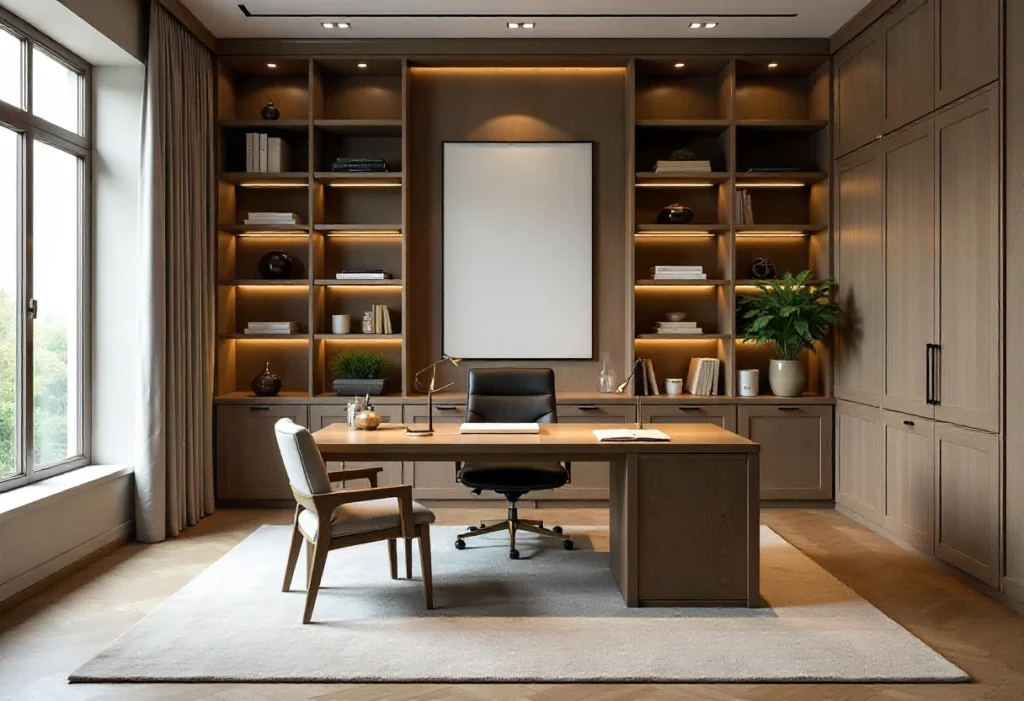
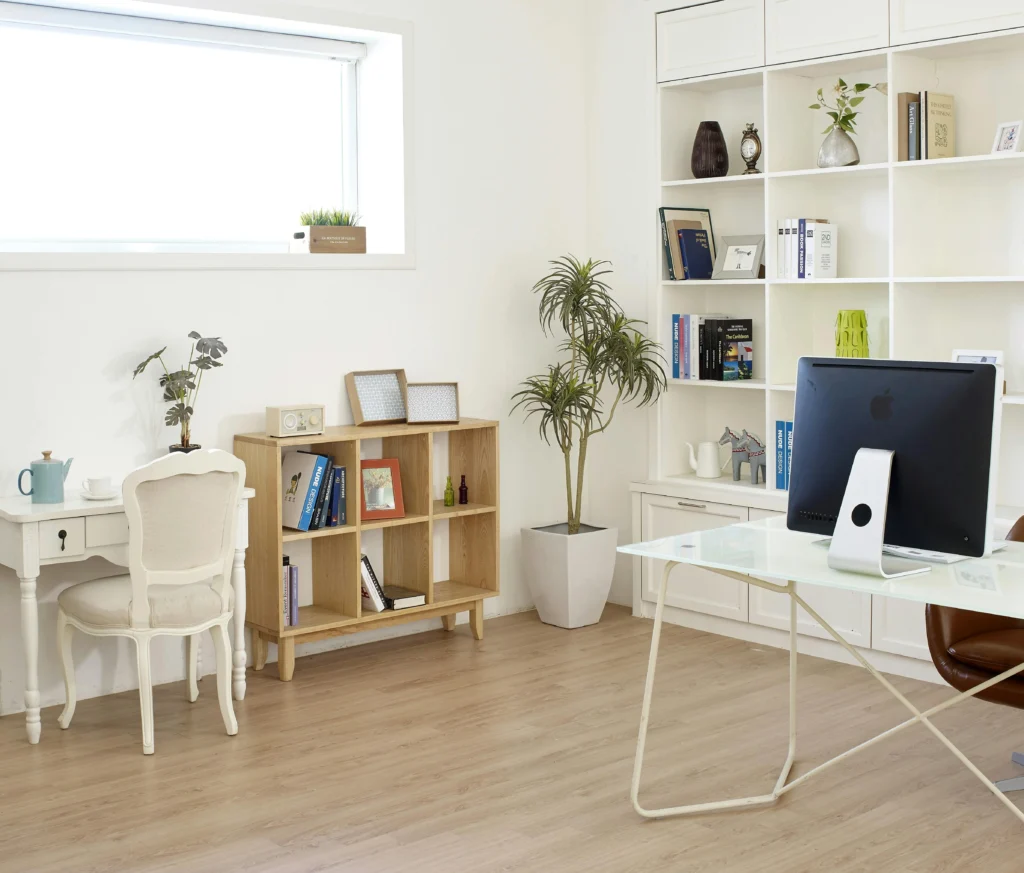
A well-organized home office plays a critical role in productivity, mental clarity, and daily comfort especially as more people spend extended hours working from home. When storage is poorly planned, clutter quickly takes over, creating visual noise that makes it harder to concentrate, stay motivated, and manage tasks efficiently. Papers pile up, supplies get misplaced, and even simple work routines begin to feel frustrating and disorganized.
The right home office storage systems do far more than tidy up a desk or hide clutter. Thoughtful storage creates structure, supports better time management, and helps streamline daily workflows. By giving everything a designated place, you reduce distractions, improve focus, and make your workspace easier to maintain. Proper storage also supports ergonomics and comfort, allowing you to work longer without unnecessary stress or fatigue.
This blog explores practical, space-smart storage strategies designed to transform your home office into a focused, efficient environment. Whether you’re working with a dedicated room or a small corner, these solutions will help you maximize space, stay organized, and create a workspace that truly supports productivity and long-term success.
Why Home Office Clutter Hurts Productivity

Clutter affects far more than the appearance of your home office, it directly influences how you think, focus, and perform throughout the day. When loose papers, visible cables, and stacked supplies fill your workspace, they create constant visual distractions that compete for your attention and interrupt concentration. At the same time, poor organization forces you to spend valuable time searching for documents, tools, or materials, breaking your workflow and adding unnecessary frustration to even simple tasks. Over time, this disorganization increases mental fatigue by placing extra demands on your brain, making work feel heavier, more stressful, and more exhausting than it needs to be. Creating a clear, organized workspace helps reduce cognitive load, supports sustained focus, and allows you to work more efficiently with less effort.
Start With a Home Office Reset
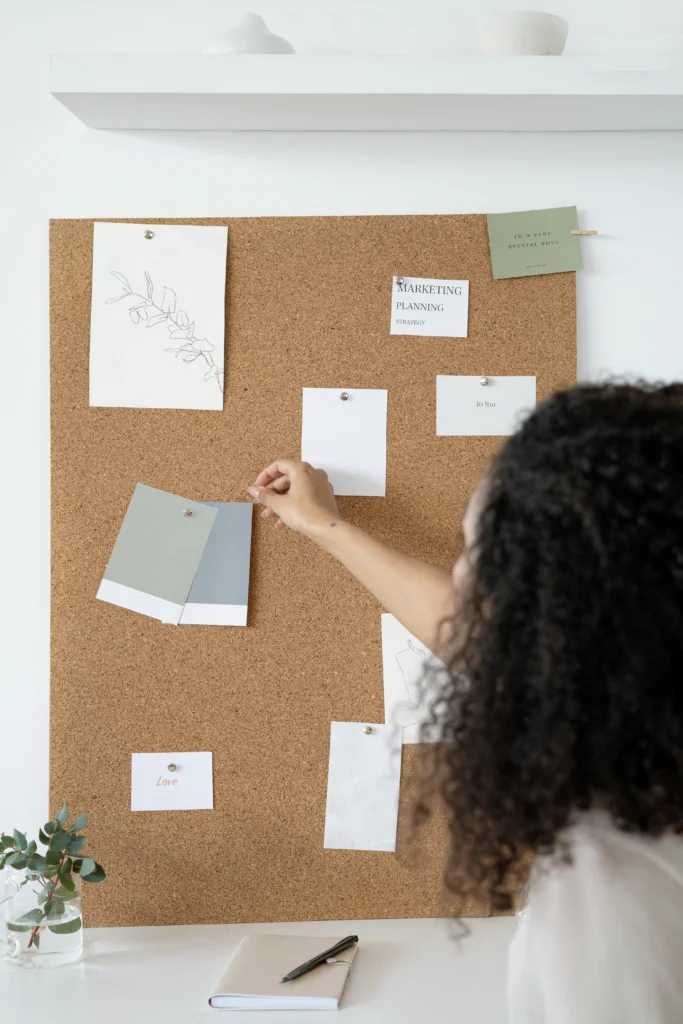
Before adding new storage solutions, it’s important to reassess your space and understand what you truly need in your home office. Start by clearing the entire workspace, remove everything from desks, shelves, and drawers so you can see the space with fresh eyes and identify what actually belongs there. Once everything is out, sort items by purpose, grouping together daily work essentials, reference materials, office supplies, and personal items to better understand how each category should be stored. Finally, eliminate what you don’t use by letting go of outdated papers, broken electronics, and excess supplies that only create clutter without adding value. This reset creates a clean foundation for smarter, more effective storage decisions that support productivity and focus.
Design Storage Around How You Work
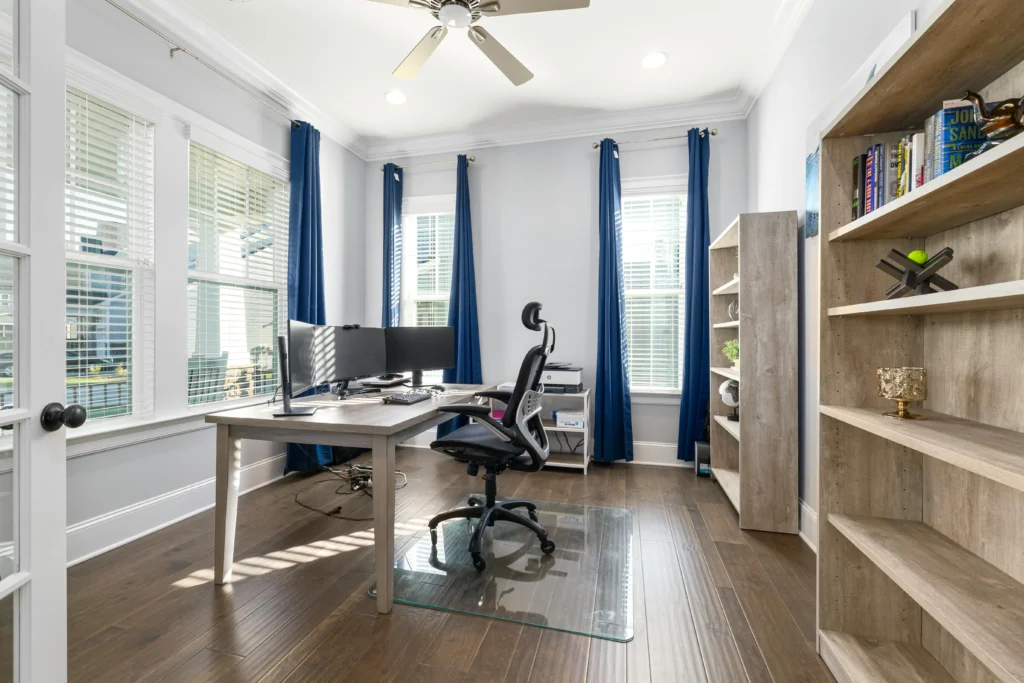
Effective storage should support how you naturally work, not force you to adapt to an awkward system. Begin by identifying your workflow and paying attention to how often you use specific files, tools, and equipment throughout the day. This helps determine what needs to be immediately accessible versus what can be stored away. Next, prioritize reach zones by keeping daily-use items within arm’s reach to minimize interruptions, while storing less frequently used materials on higher shelves, in cabinets, or farther from your desk. Finally, create clearly defined work zones by designating specific areas for computer tasks, paperwork, meetings, and creative work. These boundaries add structure to your workspace, reduce clutter, and make it easier to transition smoothly between tasks without losing focus.
Desk Storage That Supports Focus
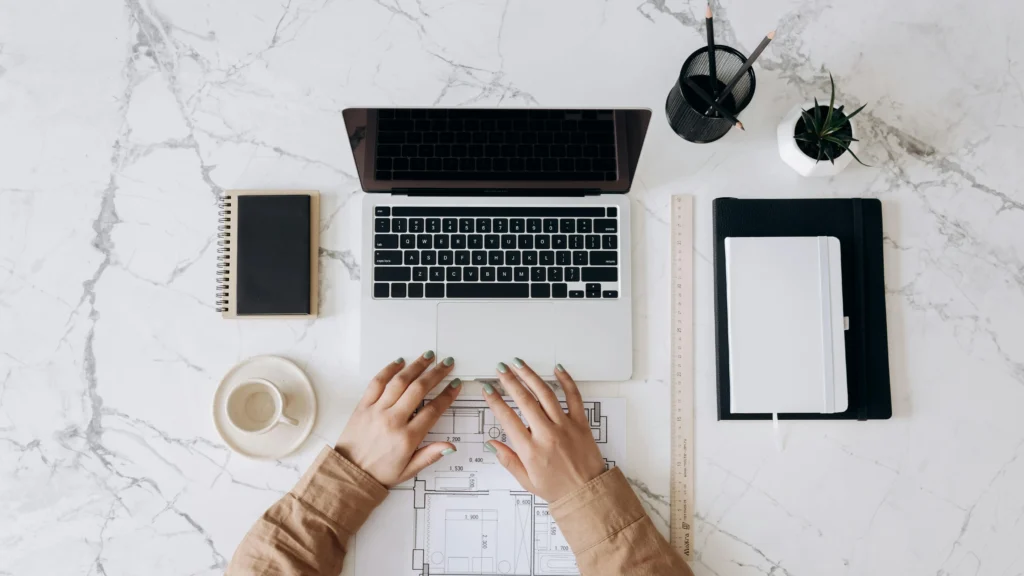
The desk serves as the command center of any home office, so keeping it organized is essential for productivity and focus. Start by minimizing desk surface clutter, limit items to daily essentials such as your computer, notebook, and a few frequently used tools to maintain a clean, distraction-free visual field. To keep drawers functional, use drawer dividers to separate small items like pens, chargers, and office tools, preventing them from becoming tangled or difficult to find. Finally, incorporate cable management solutions such as clips, trays, or sleeves to keep cords neatly organized and out of sight. Managing cables not only reduces visual noise but also creates a safer, more streamlined workspace that’s easier to maintain.
Filing Systems That Actually Work
Paper management remains one of the most persistent challenges in home offices, especially as documents tend to accumulate quickly. A practical approach starts by separating active files, papers you use regularly, from archived documents that are kept for reference or record-keeping. This distinction improves efficiency by keeping essential materials easily accessible while preventing rarely used papers from crowding your workspace.
Using vertical filing cabinets further streamlines organization by maximizing floor space and allowing files to be browsed quickly without disrupting workflow. Pairing these systems with clearly labeled folders creates consistency, reduces time spent searching for documents, and helps maintain order over time. Together, these strategies transform paper storage from a source of frustration into a structured, reliable system that supports daily productivity.
Storage for Technology and Equipment
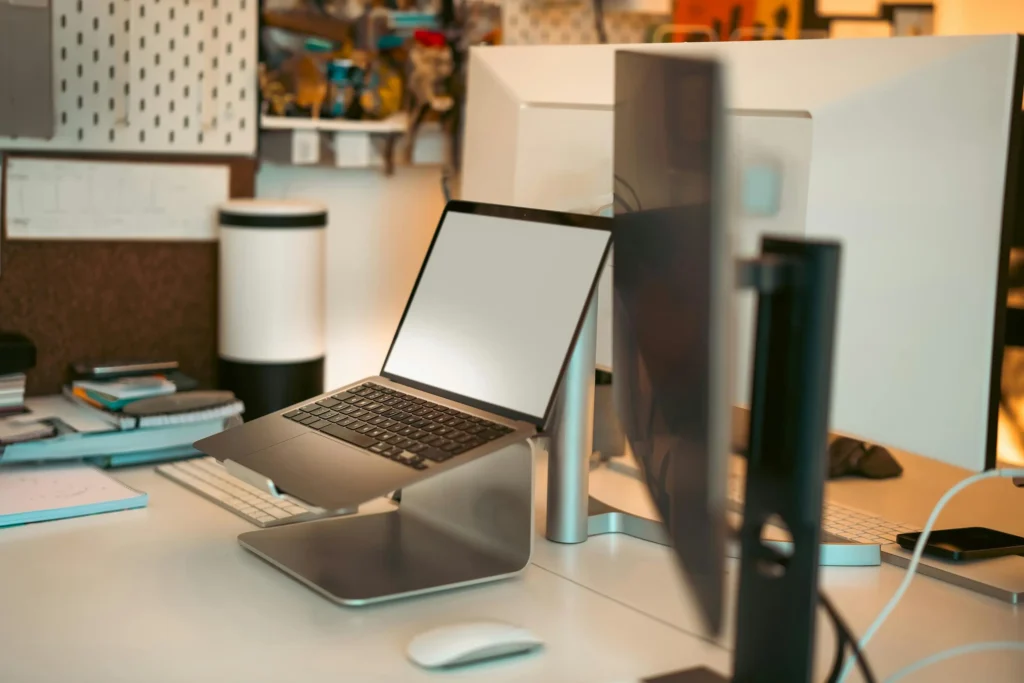
Modern home offices rely heavily on technology, which makes thoughtful storage for devices essential for productivity, safety, and long-term organization. Dedicated charging stations create a centralized hub for phones, tablets, laptops, and other rechargeable devices, eliminating cable clutter and reducing the risk of misplaced chargers. By keeping cords neatly contained and easily accessible, these stations help maintain a clean desk surface while ensuring devices are always ready when needed.
Equipment drawers further enhance organization by providing designated storage for keyboards, headphones, tablets, webcams, and other accessories when they are not in use. Storing these items out of sight reduces visual distractions, protects equipment from dust or accidental damage, and allows the workspace to transition easily between different tasks throughout the day.
Ventilated storage is equally important, especially for electronics that generate heat. Cabinets or drawers with built-in airflow prevent overheating, which can shorten device lifespan and compromise performance. Proper ventilation supports safe operation, promotes durability, and ensures that technology remains functional without sacrificing organization. Together, these smart storage solutions create a streamlined, efficient, and tech-friendly home office that supports focus, protects valuable equipment, and keeps your workspace looking polished and professional.
Smart Storage for Shared Home Offices
Shared home office spaces require thoughtful planning to ensure organization, efficiency, and harmony among multiple users. Personalized storage zones make shared home offices far more functional by giving each person designated drawers, shelves, or compartments. This prevents items from overlapping and ensures that everyone knows exactly where their materials belong, reducing confusion and maintaining a sense of order. Lockable storage adds an important layer of security for sensitive documents, electronics, or personal items, providing peace of mind and allowing users to store valuable or confidential items safely. Finally, flexible layouts including adjustable shelving, modular storage units, and movable carts allow the space to evolve as needs change. Whether adding new equipment, reorganizing workflows, or accommodating additional users, these adaptable solutions maintain organization and functionality without sacrificing efficiency, making shared workspaces more productive and harmonious.
Home Office Storage for Small Spaces
When working with limited square footage, every inch of a home office must be used thoughtfully to maximize functionality while keeping clutter at bay. Multi-functional furniture, such as desks with built-in drawers, shelving, or compartments, provides essential storage without the need for additional cabinets, keeping the workspace streamlined and visually clean. Rolling storage carts offer added flexibility, serving as mobile storage that can be moved, repositioned, or tucked away as tasks or priorities change, making the space adaptable for different activities throughout the day. Under-desk storage solutions, like slim cabinets, bins, or stackable organizers, make use of often-overlooked space beneath the desk, providing convenient access to supplies without compromising legroom or comfort. By combining these strategies, even a small home office can feel spacious, organized, and highly efficient, supporting productivity while maintaining a tidy, stress-free environment.
Maintain a Clutter-Free Home Office Long-Term
Organization works best when it is reinforced by simple, consistent habits that prevent clutter from building up over time. One highly effective practice is an end-of-day reset—spending just a few minutes returning items to their designated places ensures your workspace is ready for the next day, reduces visual distractions, and promotes a sense of order. A weekly review takes organization a step further by clearing out unnecessary papers, reorganizing supplies, and checking that storage systems are functioning as intended, keeping your office tidy on a larger scale. Equally important is digital decluttering, which mirrors your physical organization by keeping files, emails, and digital tools systematically arranged. Together, these small but consistent routines create a clean, efficient, and stress-free home office environment, making it easier to focus, maintain workflow, and sustain productivity day after day.
How Storage Impacts Mental Focus
A well-organized home office does more than simply look tidy, it creates an environment that actively supports mental clarity, focus, and overall productivity. One major benefit is reduced decision fatigue: when clear systems are in place, you no longer waste mental energy constantly deciding where items belong or searching for supplies. This frees your mind to concentrate on meaningful work and critical tasks rather than small organizational decisions. Improved task flow is another key advantage. Efficient storage keeps tools, documents, and materials readily accessible, minimizing interruptions and allowing projects to progress smoothly from start to finish. In addition, an organized workspace fosters enhanced motivation. A clean, orderly environment that feels intentional and functional encourages consistency, discipline, and a sense of accomplishment, boosting focus and energy levels throughout the day. Over time, these benefits combine to create a home office that not only looks organized but also actively supports your ability to work efficiently, think clearly, and maintain a positive, productive mindset.
Storage Trends Shaping Home Offices in 2026
Modern home offices continue to evolve, and storage solutions need to keep pace with changing work habits and technology. Modular systems offer adjustable components, such as shelves, drawers, and partitions, that can be reconfigured as your needs change. This flexibility allows your office to adapt over time, whether you’re adding new equipment, reorganizing workflows, or accommodating multiple users, ensuring your storage solutions remain functional and relevant.
Concealed storage goes beyond simple tidiness by hiding supplies, cables, and documents in closed cabinets, drawers, or hidden compartments. Keeping items out of sight reduces visual clutter, creates a clean, streamlined environment, and helps maintain focus by limiting distractions.
Thoughtful minimalism encourages keeping fewer, better-organized items in your workspace rather than cramming every tool or supply into available storage. By prioritizing what’s essential and storing it strategically, you replace crowded, chaotic setups with simple, purposeful arrangements that support productivity, mental clarity, and a sense of calm in the office.
The Lasting Benefits of Effective Home Office Storage
Well-planned storage transforms a home office into a space where focus comes naturally and work flows smoothly. With everything in its place, you spend less time searching for tools, documents, or supplies and more time actually completing tasks. Visual and physical distractions are minimized, allowing the environment to actively support productivity rather than working against it. Over time, these organized habits foster consistency, reduce stress, and create a healthier, more efficient work routine, helping you accomplish more while maintaining mental clarity and balance throughout the day.
A focused workspace begins with storage that fits the way you actually work, not just the way you hope to. By intentionally decluttering and selecting storage solutions that support your daily routines, your home office transforms into a space of clarity, efficiency, and calm. Taking the time to reset your space, investing in durable and functional storage, and establishing simple habits to keep clutter at bay all contribute to a more productive environment. When everything has its place and your office is organized, focus comes naturally, tasks flow smoothly, and sustaining productivity becomes effortless day after day. Schedule an appointment now!