In 2026, storage design is evolving to meet changing lifestyles, shifting priorities, and innovations that make everyday spaces more functional and intentional. Rather than simply housing belongings, storage now integrates with how we live, work, and adapt to life’s rhythms. From customized closets that support smart routines to multi-purpose garage systems that accommodate busy families, today’s storage design is rooted in thoughtful planning rather than temporary fixes.
At St. James Closets, storage is seen as a strategic element of home design, one that influences comfort, clarity, and daily efficiency. This article explores the major trends influencing storage design in 2026, practical examples of how these trends are shaping real spaces, and ideas you can apply in your own home.
Why Storage Design Continues to Evolve
As lifestyles evolve, storage design must evolve with them. Remote work, hybrid schedules, and blended household routines have transformed homes into multi-functional environments where storage is no longer a background feature but an active support system for daily life. Today’s closets and storage spaces help people transition smoothly between professional and personal time, manage children’s schedules and belongings, integrate hobbies and fitness into home routines, and adapt to seasonal shifts without chaos. At the same time, technology has reshaped expectations, homeowners now look for solutions that don’t just look beautiful but function intuitively. Modern storage design incorporates adjustable systems, modular components, adaptive shelving, and smartly placed bins that respond to real human behavior rather than rigid layouts.
This “technology” is not only digital, it lives in the physical design that makes access easier, visibility clearer, and organization natural. Equally important is quality and longevity. Clients value sustainable materials, durable hardware, and high-performance construction that withstand daily use while minimizing the need for constant upgrades. Together, flexibility, intelligence, and endurance define today’s storage spaces, not as static furniture, but as living systems that grow with how people work, live, and move through their homes.
Trend 1: Personalized Storage Systems
Generic shelving and off-the-shelf units are quickly giving way to personalized storage solutions. Today’s homeowners want spaces that reflect how they actually live, not systems built around arbitrary dimensions. That means storage designed for specific wardrobe types, hobbies and equipment, family dynamics, and even long-term lifestyle goals. Instead of forcing belongings to fit into preset layouts, modern closets, garages, and pantries are crafted around what they hold. This shift recognizes that organization works best when it supports behavior rather than restricts it.
Rather than lumping everything into one area, contemporary storage systems now rely on purpose-driven zones. These zones might include everyday essentials that need fast access, seasonal items that rotate in and out, workwear or hobby gear that requires specialized storage, and archive or keepsake areas meant for long-term organization. Each zone has its own logic, making routines smoother and reducing the mental load of searching, sorting, and maintaining order. When your brain knows where things belong, decision-making becomes easier and clutter has fewer chances to accumulate.
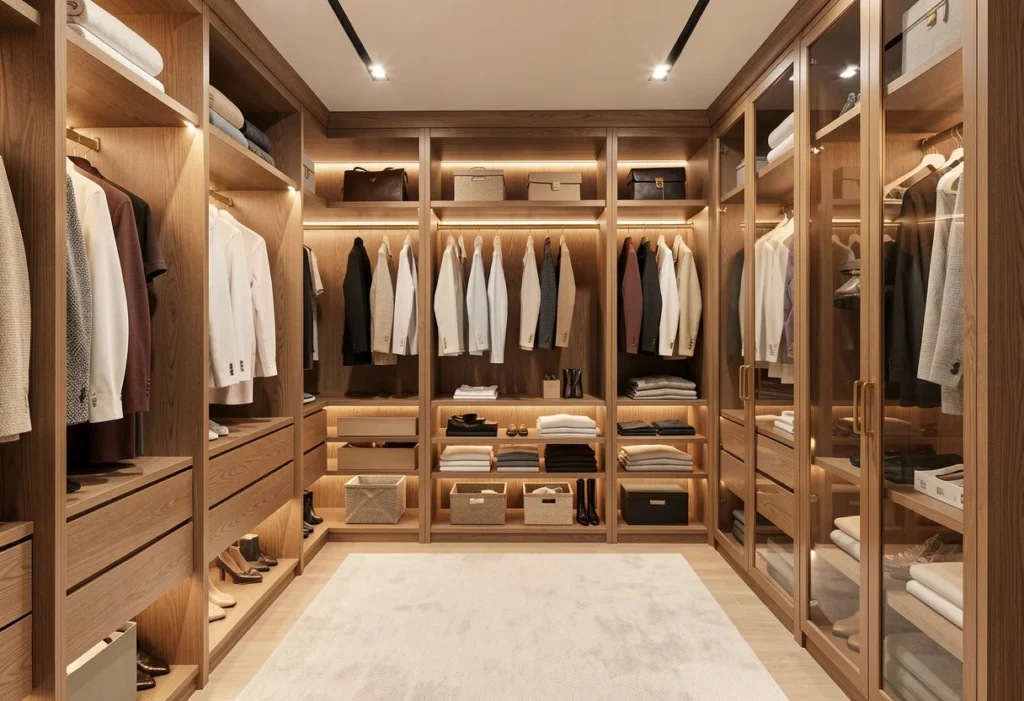
For example, a personalized closet layout for a professional with varied wardrobe needs might include a dedicated shoe gallery for visibility, double-hanging sections for shirts and trousers, accessory trays for watches and jewelry, custom drawers for activewear, and seasonal bins placed above eye level for storage without crowding daily space. This level of detail transforms a closet into a system that supports daily flow, rather than a space that forces you to adapt to it. Instead of working around storage, the storage works around you, enhancing efficiency, comfort, and long-term organization.
Trend 2: Flexible, Reconfigurable Storage
In 2026, rigid storage is fading out in favor of systems that adapt to real life. Adjustable shelving, sliding panels, and modular drawers are becoming mainstream because modern households are constantly changing. Families grow, work patterns shift, hobbies evolve, and spaces must respond without requiring a full redesign. Instead of locking homeowners into fixed layouts, adjustable components allow storage to evolve over time, keeping spaces functional no matter how routines change. This approach supports long-term organization by giving users control over how their space works today and how it can transform tomorrow.
Modular design takes that flexibility even further. With modular units, homeowners can add or remove shelves, reconfigure drawer heights, shift storage zones, and adapt layouts across rooms without professional reconstruction. This is especially valuable in urban homes, multi-use spaces, and growing households where one room may serve several purposes. Storage becomes a living system rather than a static structure, allowing people to customize their environment as life demands more versatility. Instead of replacing storage, users simply reshape it, saving time, money, and mental energy.
Garages are one of the best examples of this trend in action. Modern garage storage systems are designed to accommodate changing vehicle sizes, seasonal equipment, rotating sports gear, and even workshop activities. Modular shelving with adjustable hooks, wall tracks, and overhead racks allows a garage to shift from tool storage to bike storage to hobby space with ease. As lifestyles change, the space changes too, reinforcing the idea that storage should work with people, not force people to work around it.
Trend 3: Integrating Function With Aesthetics
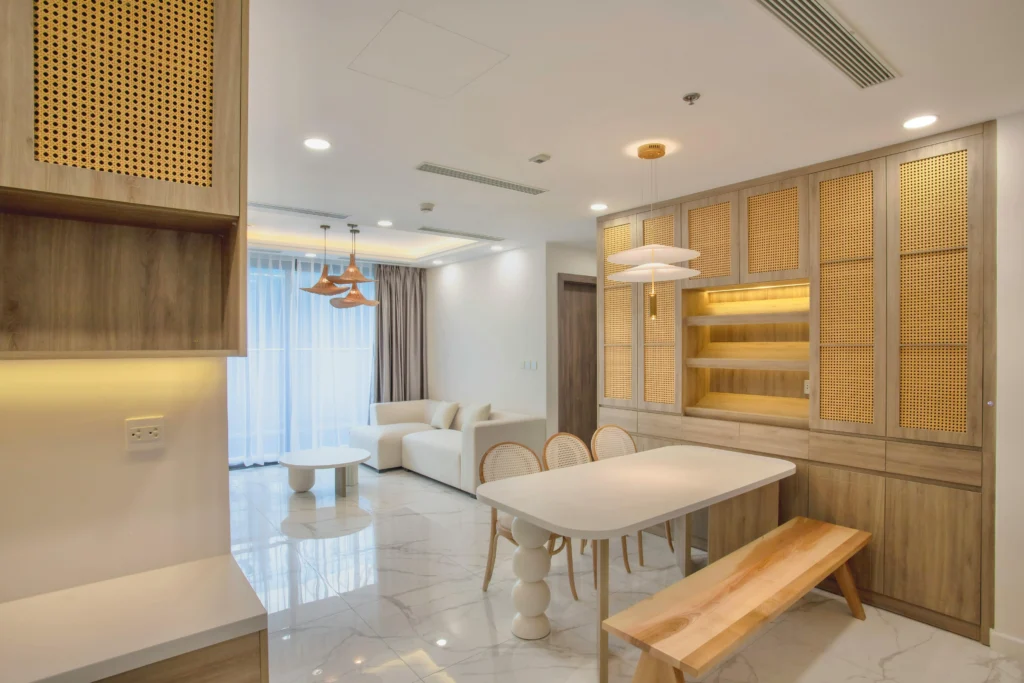
Storage in 2026 is no longer something hidden behind doors or treated as purely utilitarian. It has become an intentional part of interior design, seamlessly integrated into the architectural style and aesthetic of the home. Closets, cabinets, and shelving now mirror surrounding finishes, proportions, and textures so storage feels cohesive rather than separate. Instead of interrupting a room’s design, modern storage enhances it, supporting both function and visual harmony. Homeowners increasingly expect their storage systems to look as considered as their kitchens, living rooms, and bedrooms, transforming organization into a design feature rather than a compromise.
Materials play a major role in this shift. Rich wood tones add warmth, matte and soft-touch finishes reduce visual noise, and textured panels introduce depth and sophistication. Integrated lighting, subtle hardware, and refined surfaces elevate storage from simple containers into architectural statements. These material choices don’t just improve appearance, they influence mood and usability, making spaces feel calmer, more intentional, and easier to live in. When storage looks good, people naturally maintain it better, reinforcing long-term organization.
Lighting has also become a functional style element rather than an accessory. Built-in LED systems improve visibility while shaping ambience. Lights that activate when drawers open or doors slide reveal contents without harsh shadows or the need for extra fixtures. This combination of practicality and atmosphere allows storage spaces to feel inviting instead of hidden, supporting smoother routines and a more enjoyable daily experience. In modern homes, storage isn’t added at the end, it’s designed from the beginning as part of the lifestyle and visual story of the space.
Trend 4: Storage That Encourages Daily Routines
Modern closets are no longer built just to hold clothing, they’re designed to support real human routines. Today’s storage systems account for how people actually move through their day: planning outfits, managing laundry, preparing for work, and coordinating accessories. Instead of treating closets as static containers, designers now view them as active spaces that participate in daily behavior. When storage reflects natural habits, it reduces friction, saves time, and removes the small stresses that accumulate in repetitive tasks. A well-designed closet helps you think less about where things go and focus more on what you’re doing.
This shift has led to flow-driven layouts that connect spaces logically rather than isolating them. Instead of random placement, modern design emphasizes useful sequences such as closet to laundry to dressing area, entryway to coat and gear storage to living space, or garage to mudroom to kitchen. These pathways mirror how people transition through their homes and prevent bottlenecks where clutter tends to build up. When storage follows movement patterns, systems stay organized longer because items return naturally to their proper zones instead of piling up in inconvenient spots.
An integrated closet and laundry layout is a clear example of behavior-based design in action. When closets connect directly to laundry spaces, cognitive load drops, clothes move smoothly from hamper to washer, then back to shelves and rods without unnecessary detours. Seasonal pieces remain sorted, daily essentials stay accessible, and visual calm replaces chaos. Instead of fighting against the space, the space works with the user. This is the essence of modern storage design: creating environments that adapt to routines, simplify decisions, and quietly support everyday life without demanding extra effort.
Trend 5: Smart Storage for Hybrid Lifestyles
The rise of remote and hybrid work has reshaped how storage functions within the home. Closets are no longer limited to clothing; they now support work-from-home needs by providing organized space for documents, electronics, cables, printers, and mixed-use items that blend professional and personal life. Thoughtfully designed closets near work areas act as overflow zones that keep desks clear and distractions minimal. Office supplies, seasonal clothing, reference materials, and tech accessories can be stored out of sight yet remain easily accessible, allowing workspaces to stay focused, uncluttered, and visually calm.
At the same time, dual-purpose spaces have become increasingly common as homes adapt to flexible lifestyles. Guest rooms often include hidden wardrobes that double as everyday storage, mudrooms combine gear organization with compact workstations, and laundry rooms extend into pantry or household storage zones. The key to these designs is balance, maximizing utility without overwhelming the space. Designers now focus on layering functions thoughtfully so each area serves multiple roles while maintaining openness and ease of movement. When storage is intentional and adaptable, multi-functional rooms feel efficient rather than crowded, supporting modern life without sacrificing comfort or clarity.
Trend 6: Eco-Conscious Storage Practices
As homeowners become more conscious of health, longevity, and environmental impact, storage design is increasingly centered on sustainability. Many now seek closets and cabinetry crafted from renewable or responsibly sourced materials such as bamboo, sustainably harvested wood, and engineered panels with environmental certifications. Low-VOC finishes improve indoor air quality, while recycled metal hardware adds durability without unnecessary waste. These material choices support not only the planet, but also long-term comfort inside the home, creating spaces that feel clean, safe, and intentionally built for everyday living.
Design is also becoming more climate-responsive. In humid regions, modern closets incorporate better airflow, moisture-resistant finishes, and ventilation features that protect clothing from mildew and odor. Garages and utility storage now use sealed cabinetry and corrosion-resistant components to shield tools, fabrics, and equipment from temperature swings and damp conditions. By accounting for climate at the design stage, storage systems perform better over time, maintain appearance, and preserve what they hold, turning organization into a lasting investment rather than a temporary solution.
Trend 7: Technology Enhances Storage
Storage is becoming smarter, not just more beautiful. Digital inventory tools and QR-style labeling systems now allow homeowners to track what’s inside bins, drawers, and shelves with ease. By knowing exactly what you own, and where it lives, you reduce duplicate purchases, simplify seasonal rotations, and eliminate the frustration of searching through forgotten spaces. This visibility turns storage into an active management system rather than a passive container.
Alongside inventory tools, motion-activated features are transforming everyday access. Lighting that turns on when doors open, drawers slide, or someone enters the closet reduces effort and improves safety, especially when hands are full or visibility is low. These small automations remove friction from daily routines and encourage consistent organization habits.
Integration with smart home systems adds another layer of intelligence. Closets and storage zones can now connect to voice assistants or home dashboards to send reminders for seasonal swaps, prompt cleaning schedules, or even help manage wardrobe rotation. While technology doesn’t replace good organization, it enhances awareness, reduces cognitive load, and supports systems that stay functional long after installation, making storage an intuitive part of daily life rather than another task to manage.
Trend 8: Storage for Wellness and Mindfulness
An organized space does more than look appealing, it directly supports emotional and mental wellbeing. Studies consistently show that environments with reduced visual clutter help lower anxiety, improve focus, and create a sense of calm. When storage is designed to minimize chaos and highlight order, the brain no longer has to work overtime processing unnecessary stimuli. Instead of feeling overwhelmed, people experience a subtle sense of control and ease when they enter a well-structured closet or storage area.
This is where a minimalist approach with purpose becomes powerful. Rather than stripping a space down to emptiness, intentional storage design emphasizes what truly matters. Essentials are visible, accessible, and thoughtfully placed, while excess is removed or relocated. The result isn’t a stark, cold room, it’s a functional environment where every item has a reason for being there. Purposeful minimalism reduces distraction while still supporting real life, daily routines, and personal style.
Human-centered storage brings this idea to life. Design considers how people naturally move, reach, and interact with their belongings. Shelves are positioned for comfort, drawers glide smoothly, lighting adds openness, and layouts remain intuitive for all ages. When accessibility, visibility, and flow are prioritized, the space feels welcoming instead of demanding. This alignment between design and human behavior creates more than organization, it creates emotional clarity, making your closet a place that supports calm, confidence, and balance every time you step inside.
2026 Storage Design Across Different Rooms
Closets
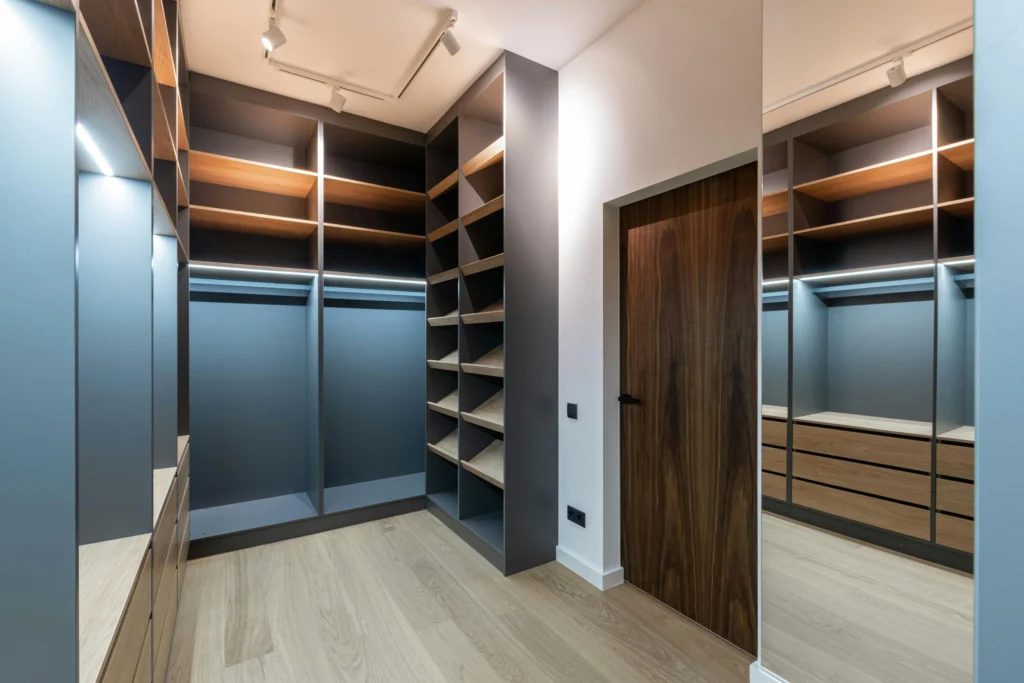
Closet systems in 2026 are no longer one-dimensional; they are thoughtfully layered to accommodate the full range of a modern wardrobe. Hanging zones provide easy access to shirts, jackets, and dresses, while drawer units keep smaller items like underwear, socks, and activewear organized and out of sight. Accessory trays corral belts, jewelry, and scarves, ensuring nothing gets lost in the shuffle, and dedicated shoe galleries display footwear neatly while protecting it from damage. Seasonal rotate-in shelves allow you to swap out off-season items without overcrowding your everyday essentials. Together, these components create a system that adapts to your wardrobe, lifestyle, and habits — closets are designed to reflect how people live, rather than forcing clothing into rigid, one-size-fits-all structures.
Garages
Modern storage systems balance heavy-duty utility with easy accessibility, keeping clutter out of living spaces while supporting active lifestyles. Overhead racks maximize vertical space for seldom-used items, while modular tool storage ensures garage essentials are organized and within reach. Sports equipment zones and elevated bike storage provide dedicated areas for seasonal or frequently used gear, preventing chaos on floors or in corners. Labeled bins for seasonal items like holiday decorations or outdoor supplies keep everything clearly identified and easy to rotate. Together, these solutions create a functional, orderly environment that adapts to both daily routines and occasional storage needs, blending strength and convenience seamlessly.
Kitchens and Pantries
Modern pantry systems are designed to adapt to family life and evolving food preparation routines, making organization both practical and intuitive. Clear containers let you see contents at a glance, reducing waste and streamlining meal prep. Tiered shelving ensures even small items are visible and accessible, while corner solutions maximize every inch of space that might otherwise go unused. Pull-out baskets provide easy access to bulk items or snacks without digging through shelves, and tech-assisted inventory tools, from QR labels to app tracking, keep you aware of what’s on hand. Together, these features support efficient meal planning, smarter shopping, and greater food awareness for the whole household.
How St James Closets Implements These Trends
At St. James Closets, storage design is rooted in real life, shaped by how spaces are used every day, how households evolve, and how thoughtful solutions can support changing needs. Every design is tailored to individual routines, built with durable materials, integrated seamlessly with room aesthetics, and focused on enhancing both function and wellbeing. From custom closet systems and garage storage to pantry solutions and mudroom designs, every element is crafted with the homeowner’s ease in mind. Storage is not a side project, it’s a core part of how a home feels, functions, and supports daily life.
Discover how customized storage solutions can transform your home into a space that works for you. Explore StJamesClosets.com to create organized, functional, and beautiful spaces that simplify routines and elevate everyday living.
As storage needs continue to evolve in 2026, your home deserves solutions that match how you actually live. Thoughtful storage design creates calm, clarity, and comfort from closets to garages and beyond. At St. James Closet, we transform spaces into practical extensions of your daily routines with tailored solutions that fit your lifestyle. If you’re ready to redesign your storage in a way that truly supports everyday life, contact us today to explore custom organization systems built just for you.