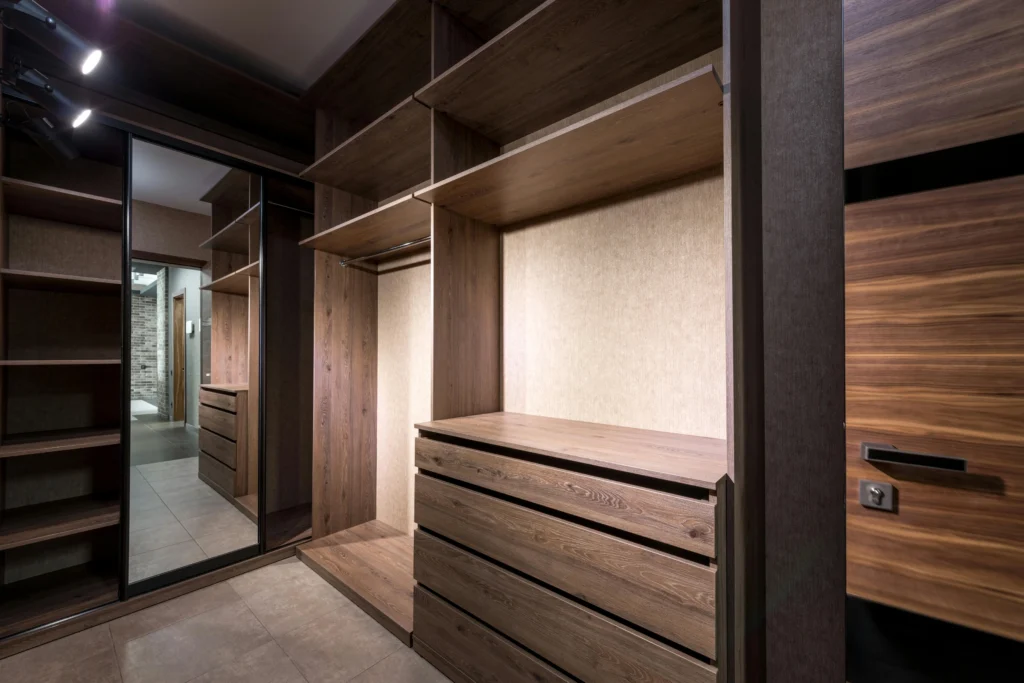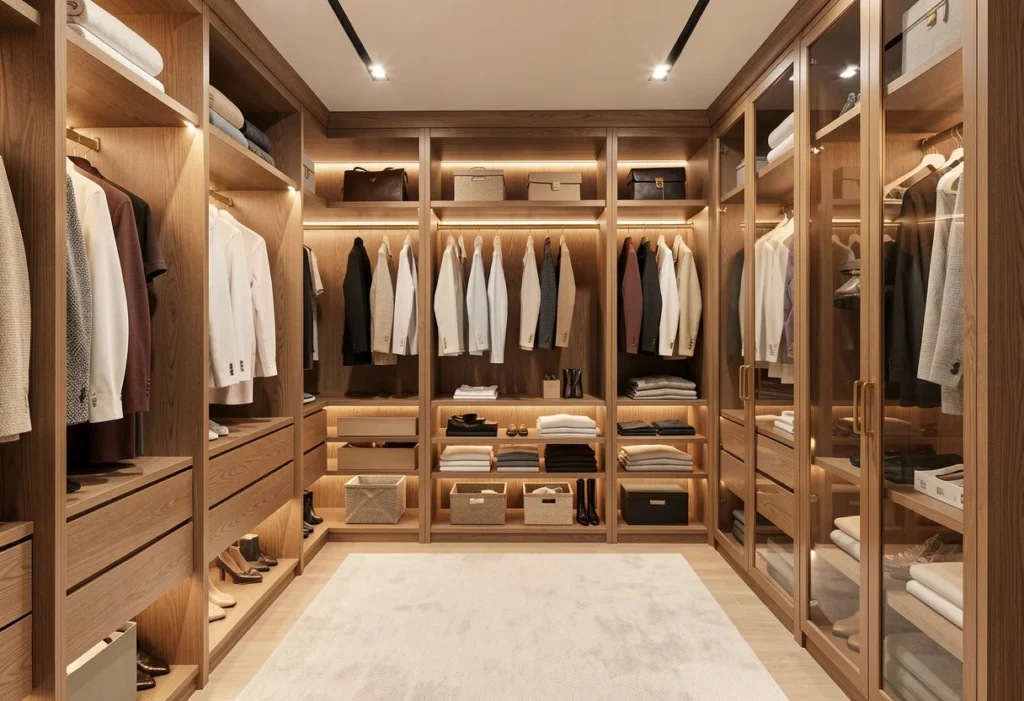
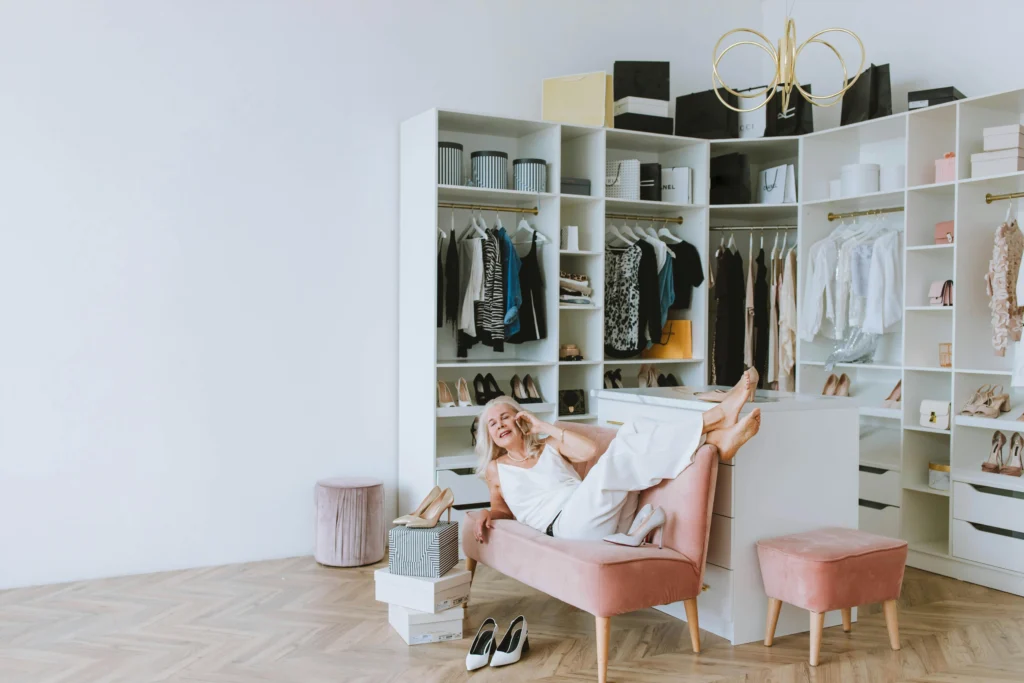
A well-designed closet begins with carefully selecting the right materials and finishes, as these decisions set the tone for both style and functionality. The type of wood or laminate, the quality of hardware, and the choice of paint or stain not only influence the closet’s overall appearance but also play a critical role in its durability, ease of maintenance, and long-term performance. With a wide array of options available, it can be challenging for homeowners to strike the perfect balance between aesthetic appeal and practical usability.
Beyond looks, the right materials ensure that shelves remain sturdy, drawers glide smoothly, and finishes withstand daily wear. In this blog, we’ll explore the essential factors to consider when choosing closet materials and finishes, providing you with the knowledge to create a space that is both beautiful and built to last.
Why Closet Material and Finish Matter

The materials and finishes you select for your closet are crucial in shaping not only its appearance but also its durability, functionality, and long-term value. Closets endure daily wear and tear from hanging clothes, opening and closing drawers, and adjusting shelves, so choosing materials that resist scratches, moisture, and warping ensures they remain sturdy and reliable for years, even with frequent use. At the same time, the right finishes can dramatically enhance the aesthetic appeal of your space. Whether your style favors sleek modern minimalism, timeless classic elegance, or warm rustic charm, carefully chosen materials and colors can complement your home’s interior design and create a cohesive, inviting environment.
Maintenance is another key consideration, high-quality surfaces that repel stains, fingerprints, and moisture simplify cleaning and upkeep, helping your closet retain a fresh, polished look over time with minimal effort. Beyond practical benefits, thoughtful material choices also contribute to the investment value of your home.
A well-crafted, visually appealing closet signals quality workmanship and attention to detail, leaving a positive impression on guests and potential buyers while elevating overall property appeal. By balancing durability, aesthetics, maintenance, and long-term value, you can design a closet that is not only beautiful and functional but built to last, making your storage space a true asset in your home.
Common Closet Materials
Closet construction relies on several core material types, each with its advantages and considerations.
| Advantages | Considerations | |
| Solid Wood Solid wood is a traditional choice that offers durability, natural beauty, and timeless appeal. Hardwoods like oak, maple, and cherry provide strength and can be refinished over time. | Strong and long-lasting Can be sanded or refinished Adds warmth and luxury | More expensive than other options Sensitive to humidity and temperature fluctuations Heavier than engineered materials |
| Plywood Plywood consists of multiple wood layers glued together, offering a strong, lightweight, and stable option for closets. | More stable than solid wood in humid conditions Affordable and versatile Can be painted or laminated | Surface may require finishing for a smooth look Edges may need covering for a polished appearance |
| MDF (Medium-Density Fiberboard) MDF is an engineered wood made from wood fibers and resin, creating a smooth, uniform surface ideal for painting. | Smooth, consistent surface Less expensive than solid wood Works well with modern finishes | Can sag under heavy weight if not properly supported Less moisture-resistant than plywood or solid wood |
| Particleboard Particleboard is a cost-effective option made from compressed wood particles. It’s commonly used in budget-friendly closets. | Low cost Lightweight and easy to work with Compatible with laminates and veneers | Less durable than MDF or plywood Sensitive to moisture and may swell over time |
Popular Closet Finishes
Paint
Paint provides limitless color possibilities, allowing you to customize the closet to match your décor. It can be applied to a variety of substrates, including MDF, plywood, or solid wood. Different sheens—matte, satin, or semi-gloss—create unique visual effects, from soft and understated to sleek and reflective. Painted finishes are versatile, relatively easy to touch up, and can completely transform the appearance of a closet.
Veneers
Veneers are thin slices of natural wood applied over a substrate, giving the look of solid wood without the higher cost or weight. They allow for elegant wood grain patterns and textures that bring warmth and sophistication to a closet. Veneers can be finished with stains or clear coats to enhance their appearance and protect the surface from moisture and daily wear.
Laminate
Laminate finishes are highly durable and resistant to scratches, stains, and fading, making them ideal for high-traffic areas or family homes. They are available in a wide array of colors, patterns, and textures, including woodgrain or stone-like finishes, providing an affordable way to achieve a polished, custom look. Laminates are easy to clean and maintain, which makes them a practical choice for busy households.
Stains and Oils
Wood stains enhance the natural grain of the wood, offering depth, warmth, and character. They come in a variety of shades, from light honey tones to rich mahogany, allowing for a customized look. Oils penetrate the wood rather than sitting on the surface, providing a natural finish that nourishes and protects the wood from drying, cracking, or minor wear while keeping the texture authentic and tactile.
Powder-Coated or Metal Finishes
Closet hardware, including handles, rods, and brackets, can be finished with powder coating or brushed metal treatments. Powder-coated finishes offer durability, corrosion resistance, and a smooth, uniform color, while brushed or anodized metals provide a modern, sophisticated look that withstands everyday use. These finishes not only protect hardware but also add a stylish, polished detail that complements the overall design of the closet.
Factors to Consider When Choosing Materials and Finishes
Budget
Establishing a clear budget helps narrow down material choices and prevents overspending. Solid wood offers unmatched durability and a premium appearance, making it a long-term investment, while MDF, laminates, and veneers provide cost-effective alternatives that still deliver style and functionality. Understanding your financial limits early ensures you can balance aesthetics, quality, and practicality without compromising on the overall design.
Usage Frequency
Closets that see frequent use, such as master bedroom or walk-in closets, require durable materials that can withstand daily wear from hanging clothes, sliding drawers, and shifting shelves. In contrast, closets used less often, like guest or seasonal storage, can accommodate lighter, less expensive materials without compromising performance or longevity.
Moisture and Humidity
Closets located near bathrooms, kitchens, or laundry areas are exposed to higher levels of humidity, which can damage untreated wood or certain composites. Choosing moisture-resistant plywood, laminated surfaces, or solid wood treated with protective finishes helps prevent warping, swelling, and mold growth, ensuring the closet remains functional and visually appealing over time.
Style Preferences
The materials and finishes you select should complement your home’s overall interior design. Modern and minimalist spaces often favor sleek laminates or powder-coated hardware, while classic or rustic interiors benefit from natural wood grains, warm stains, and textured finishes. Harmonizing closet aesthetics with your décor creates a cohesive and inviting look throughout your home.
Maintenance
Consider how much effort you are willing to invest in cleaning and upkeep. Low-maintenance options like laminates, veneers, and powder-coated surfaces resist stains, fingerprints, and scratches, making them ideal for busy households. Natural wood, while beautiful, requires periodic polishing or oiling to maintain its luster and protect it from wear, so plan accordingly based on your lifestyle and expectations.
Hardware and Accessories
Closet materials form the foundation of a functional space, but hardware and accessories are equally essential for usability, durability, and overall aesthetic appeal. Closet rods serve as the primary support for hanging garments; metal rods with powder-coated or chrome finishes offer durability, low maintenance, and sleek styling, while wood rods can enhance a natural or classic look but may require occasional polishing and care to prevent wear. Drawer slides play a critical role in the smooth operation of drawers, with soft-close or ball-bearing mechanisms providing quiet, effortless motion and extending the life of both drawers and cabinetry, especially when storing heavier items.
Handles and knobs not only facilitate access but also contribute to the closet’s visual style. Modern closets often feature finishes such as brushed nickel, matte black, or stainless steel, while traditional designs may lean toward brass, bronze, or antique finishes to complement the surrounding decor. Shelving supports ensure that shelves remain stable and functional over time. Reinforced brackets, integrated supports, or heavy-duty hardware are particularly important for materials like MDF or particleboard, preventing sagging under the weight of folded clothes, shoes, or storage bins. By carefully selecting durable, stylish, and practical hardware, you can elevate the functionality and longevity of your closet while maintaining a cohesive and polished appearance.
Common Mistakes to Avoid
Even with high-quality materials, poor planning can compromise a closet’s functionality, longevity, and overall appeal. Choosing aesthetics over durability may result in a beautiful closet that doesn’t hold up under regular use; for example, delicate laminates or thin woods may scratch or warp easily when prioritized solely for their appearance rather than strength. Ignoring the weight-bearing capacity of shelves can lead to sagging, bowing, or even collapse when storing heavier items such as stacks of folded clothing, shoes, or storage bins, especially on wide spans without proper reinforcement.
Skipping moisture protection in humid areas like closets near bathrooms, kitchens, or laundry rooms can cause swelling, warping, or mold growth over time if materials are not treated or designed to withstand moisture exposure. Failing to coordinate finishes with the rest of the room can result in a closet that clashes with your home’s interior style, creating a jarring aesthetic that undermines the overall design harmony. Thoughtful planning that balances strength, function, moisture resistance, and visual cohesion is key to building a closet that performs well and remains visually appealing for years.
Benefits of Choosing the Right Closet Materials
Selecting materials thoughtfully is essential for creating a closet that performs well, looks great, and lasts over time.
Longevity: Choosing durable materials and finishes ensures that your closet withstands daily use, from hanging clothes and sliding drawers to storing shoes and accessories, so it remains both functional and attractive for years without showing signs of wear.
Ease of Maintenance: High-quality, resilient surfaces such as laminates, powder-coated metals, or treated woods require minimal cleaning and resist stains, scratches, and moisture, making upkeep quick and hassle-free while preserving the closet’s polished look.
Enhanced Appearance: Well-selected materials elevate the aesthetic of the entire room; rich wood grains, sleek laminates, or elegant hardware finishes can create a cohesive and stylish space that reflects your personal taste and complements your home’s interior design.
Cost Efficiency: Investing in durable, high-quality materials from the start reduces the likelihood of early replacements, repairs, or touch-ups, saving money over time and ensuring that your closet remains a worthwhile long-term investment.
Your closet is more than just a storage space, it’s a key element of your home’s functionality and aesthetic appeal. Selecting the right materials and finishes ensures that it remains durable, attractive, and practical for years to come. Begin by assessing your lifestyle, daily usage patterns, and personal design preferences to guide your choices. Invest in high-quality materials, carefully chosen finishes, and reliable hardware to create a cohesive, long-lasting system. By combining thoughtful planning with functional design, you can transform your closet into a space that not only organizes your belongings efficiently but also enhances the overall elegance and usability of your home. Make your closet a perfect blend of style, practicality, and durability today.