Designing a closet for a growing family requires careful planning, smart storage solutions, and flexible layouts that evolve as needs change. A well-designed closet not only keeps clothing and accessories organized but also maximizes available space and reduces daily stress. As children grow, wardrobes expand, and routines shift, a closet that adapts to these changes becomes an invaluable tool for household efficiency. This guide explores practical strategies for creating a closet that works for every member of your family, from toddlers with tiny outfits to teens with bulkier wardrobes and multiple activity gear.
A thoughtful closet design goes beyond hanging rods and shelves. It considers accessibility for children, room for seasonal storage, and designated areas for shoes, uniforms, bags, and special-occasion clothing. Adjustable shelving, modular drawers, and expandable hanging systems allow the closet to “grow up” alongside your family without requiring a complete remodel. By prioritizing visibility, easy reach, and logical categories, you can reduce clutter, simplify morning routines, and make it easier for kids to participate in keeping their spaces tidy. With the right planning and structure, your family closet becomes more than storage, it becomes a daily support system that brings order, convenience, and peace of mind into your home.
Why a Family Closet Needs Special Planning
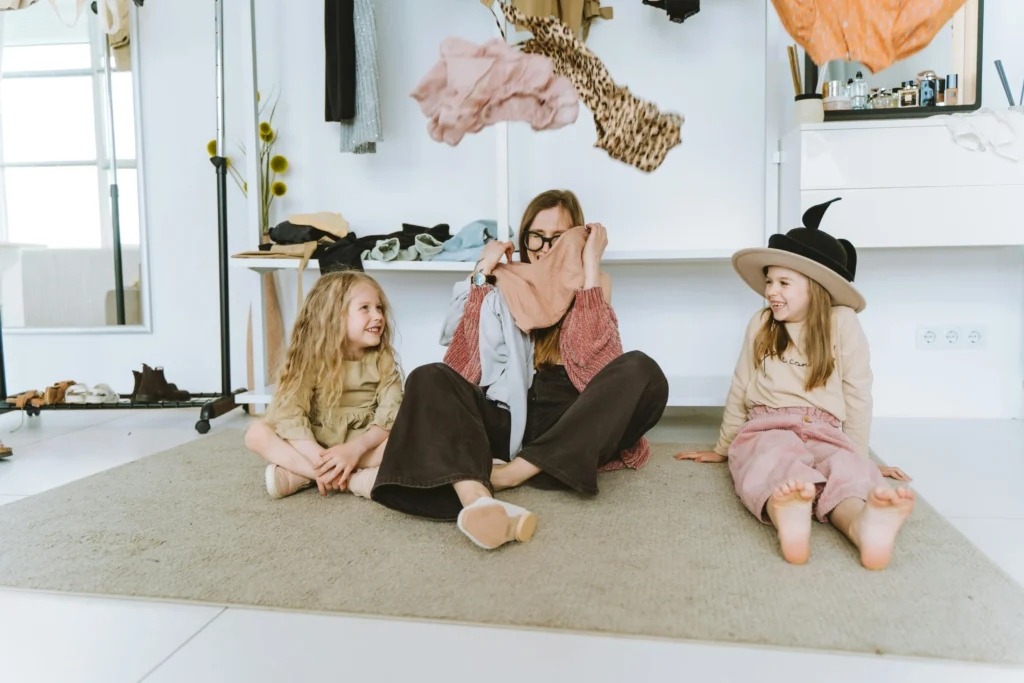
Family closets face unique challenges compared to individual spaces because they must serve several people at once while staying organized and functional. Instead of storing just one person’s wardrobe, they need to accommodate multiple users with very different needs, from tiny baby clothes and children’s school uniforms to bulky coats, sports gear, and adult formal wear. The sheer volume of items can grow quickly as families add new members or as children outgrow clothes and shoes, making space management and smart organization essential to prevent clutter and overwhelm. On top of that, family closets must adapt over time, what works for toddlers will not work for teenagers. Without flexibility built into the design, closets can become overcrowded, inefficient, and frustrating to use. By planning for adjustable shelving, varied hanging heights, and modular storage, a family closet can evolve gracefully with changing lifestyles, ensuring it remains practical, accessible, and easy to maintain for everyone who uses it.
Start With a Closet Assessment
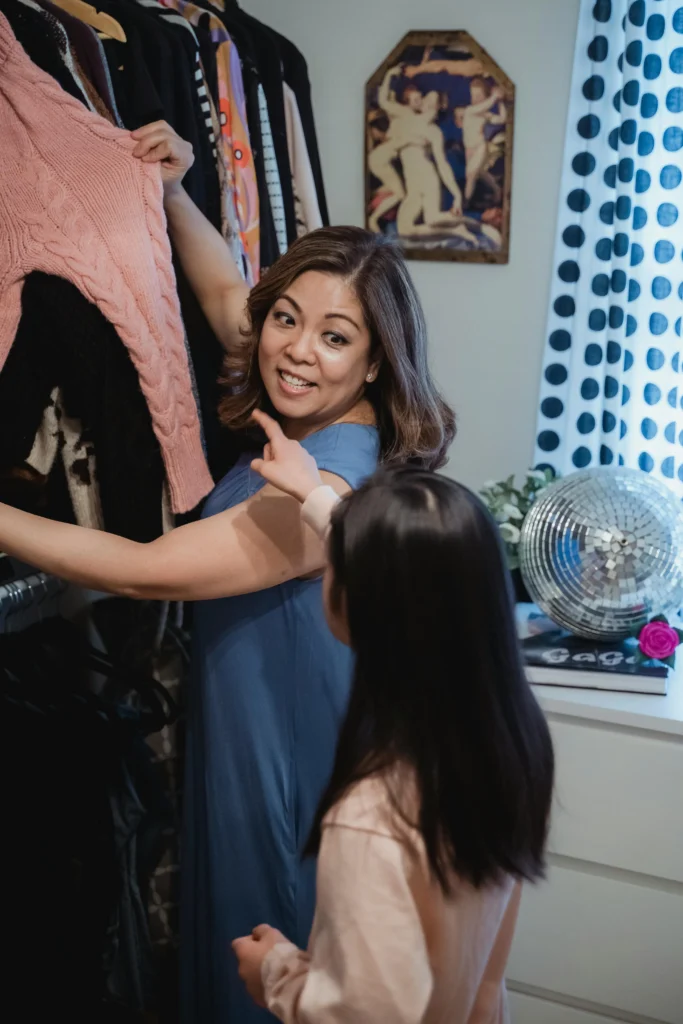
Before designing a family closet, it’s important to take a step back and carefully evaluate both your current storage situation and your future needs so the space is planned intentionally rather than filled randomly. Start by doing a full inventory of everything you own—clothing, shoes, outerwear, seasonal items, and accessories—for each family member so you clearly understand how much storage is actually required. Then, think about how often these items are used. Daily essentials such as school uniforms, work clothes, or frequently worn shoes should be easy to reach, while special-occasion outfits or seasonal items can be placed higher or farther back. Finally, measure the space accurately, including width, height, and depth, so shelving, hanging rods, and storage systems can be selected and installed properly. This thoughtful evaluation helps you avoid overcrowding, ensures everything has a logical place, and creates a closet that will continue to work well as your family’s needs change over time.
Closet Layout Strategies for Families
A thoughtful closet layout is the key to maximizing space and keeping everything easy to find, especially in a busy family setting. Start by zoning the closet by age or user so that each family member has a clearly defined area, this prevents mix-ups and makes it easier for kids to put items back where they belong. Make use of vertical space with multi-level hanging sections, such as double rods for children’s shorter clothing and single rods for adult garments, allowing you to fit more without overcrowding. Incorporate adjustable shelving so the setup can evolve as children grow and wardrobe sizes change, rather than needing a full redesign later. Be sure to include specialized sections as well, such as dedicated shoe racks, accessory drawers, baskets for socks, hats, and small items, and even labeled bins for seasonal wear. When these elements work together, your closet becomes organized, flexible, and efficient, supporting your family’s daily routines instead of adding clutter and stress.
Storage Solutions for a Growing Family
Smart storage solutions are essential for keeping a family closet organized, functional, and clutter-free. Expanding on each idea helps you see how they work in real life:
Bins and Baskets
Labeled bins and baskets are ideal for grouping similar items together, such as toys, seasonal clothing, scarves, or sports accessories. Labels make it easy for both kids and adults to return items to the correct spot, which helps maintain order over time. Choose sturdy materials and consistent sizes so they stack neatly and look cohesive on shelves.
Clear Containers
Transparent containers let you see exactly what’s inside without opening every box. This is especially useful for small accessories, craft supplies, or out-of-season clothing. Clear bins also help children visually identify their belongings, reducing messes and the time spent searching for items.
Pull-Out Drawers
Sliding drawers keep smaller items like socks, undergarments, ties, and pajamas organized and contained. Unlike open shelves, drawers prevent piles from toppling over and keep clutter hidden from view. Soft-close options are great for families with kids, reducing noise and pinched fingers.
Hanging Organizers
Over-the-rod or back-of-door hanging organizers are perfect for maximizing unused vertical space. They can store shoes, hats, folded shirts, or lightweight bags without needing additional shelving. These organizers are easy to move or replace as needs change, making them a flexible storage solution for growing families.
Maximizing Vertical Space
Vertical space often goes unnoticed, but it can dramatically expand your storage capacity when used wisely.
High Shelves for Infrequent Items
Upper shelves are best reserved for items you don’t need every day, like off-season clothing, holiday outfits, keepsakes, or baby items you’re saving. Use labeled bins so you know exactly what’s stored above eye level, keeping the space organized and accessible when needed.
Step Stools or Pull-Down Rods
A small step stool or pull-down clothing rod allows safe access to higher shelves and hanging areas. This is especially helpful in deep or tall closets, making full use of the vertical height without risking falls or straining to reach items.
Tall Cabinets
Tall cabinets take storage all the way to the ceiling, helping you avoid clutter on the floor. They’re perfect for storing bulky bedding, luggage, or large storage bins while maintaining a clean, streamlined look. Interior dividers or shelves can further organize these tall spaces so nothing gets lost in the back.
By combining these smart storage strategies, your family closet becomes easier to maintain, more efficient, and far more capable of growing with your household’s changing needs.
Planning for Seasonal Clothing
Closets must handle both everyday essentials and seasonal items efficiently, which means designing a system that supports rotation and clarity rather than piling everything together. One effective strategy is rotating storage, where summer and winter clothing are switched out as the seasons change. By keeping only current items within easy reach and storing off-season pieces elsewhere, you immediately free up space and reduce visual clutter. Pair this with labeled storage so bins, shelves, and boxes are clearly marked, this prevents rummaging, saves time, and helps every family member know exactly where things belong. For items that are rarely used, such as formal wear, bulky winter coats, or sentimental keepsakes, off-site or basement storage can be especially helpful. Moving seldom-needed belongings out of the primary closet keeps daily-use areas functional and streamlined while still keeping everything preserved and organized for when it’s needed.
Creating a Child-Friendly Closet
Children’s closet areas should encourage independence while preventing mess, which means designing access points that match their height and habits. Installing lower hanging rods allows kids to reach their own clothing without pulling or climbing, helping them dress themselves and return items neatly. Pair this with open bins and shelves, which make it easy for children to see where toys, shoes, or daily essentials belong, lids and complicated systems often lead to clutter because kids won’t use them consistently. A step-friendly layout also matters; providing stable stools or built-in low steps helps them safely reach higher items as they grow, reducing the temptation to climb furniture. Altogether, these strategies build organization skills, promote responsibility, and keep children’s spaces functional rather than chaotic.
Closet Organization for Teenagers
Teenagers’ closets should balance flexibility, privacy, and personal style, since their needs change rapidly as they grow. Creating multi-functional zones with a mix of hanging space, drawers, shelves, and maybe even a small hamper or desk-style cubby allows teens to store everything from school uniforms to sports gear and evolving fashion choices in one organized area. Adding secure storage, such as lockable drawers or cabinets, gives them a sense of privacy and a safe place for valuables, personal items, or important documents. Finally, designing adjustable configurations is key: movable shelves, expandable rods, and modular systems can be reconfigured as wardrobes and lifestyles change. This kind of adaptable, teen-friendly closet supports independence, respects personal space, and prevents clutter from taking over.
Avoiding Common Family Closet Mistakes
Even thoughtfully designed closets can fall short when a few key details are overlooked. Here are common mistakes and how they affect a growing family’s space:
Overcrowding
Overfilling a closet may seem like an efficient way to “use every inch,” but it often has the opposite effect. When clothing is crammed onto rods and shelves, items become difficult to see and reach, leading to wrinkling, clutter, and frustration during busy mornings. Overcrowded spaces also make it harder to maintain organization, since pulling out one item can cause others to fall or shift. A truly functional closet leaves room to breathe, with open space for future growth.
Fixed Layouts
Closets with permanently installed rods and shelves may look neat at first but quickly become impractical as children grow and wardrobes change. What works for toddler clothes will not work for teens or adults with longer garments and larger shoes. Fixed layouts limit flexibility and often force families to buy additional storage elsewhere. Adjustable systems, on the other hand, allow shelves, drawers, and hanging rods to be repositioned as needs evolve, ensuring the closet remains useful for years.
Ignoring Daily Use
Some closets are designed with appearance in mind rather than everyday function. If frequently used items are placed too high, too low, or behind rarely used storage, the result is daily inconvenience and mess. A family closet should support morning routines, school prep, sports activities, and laundry flow. Items worn most often should be front and center, while special-occasion or seasonal pieces can be placed higher or farther back. Designing for real life, not just aesthetics, keeps the space practical.
Lack of Labeling
Without clear labels, even the best-organized closet becomes confusing, especially when multiple people share the space. Family members may place items in the wrong spot, leading to lost clothing and clutter over time. Labels on bins, shelves, and drawers make it easy for children and adults alike to return items to the correct place. This simple step promotes independence, reduces arguments about messes, and helps maintain long-term organization.
By recognizing and avoiding these mistakes, you ensure your family closet remains functional, flexible, and stress-reducing instead of becoming another source of clutter.
Maintaining a Closet for a Growing Family
Ongoing organization ensures long-term functionality and keeps your family closet working smoothly as needs change. Start with regular purging, removing outgrown, damaged, or unused clothing so the space stays manageable and isn’t overcrowded. At the beginning of each season, do a seasonal review by rotating clothing, adjusting zones, and making sure the most-used items are easiest to reach. A simple daily reset also helps encourage everyone to return items to their designated spaces so clutter doesn’t slowly build up. Finally, use a simple labeling system for each user, category, or season to make it clear where things belong. These small but consistent habits prevent mess from returning and help your closet stay organized, efficient, and family-friendly.
Closet Design Trends for Families in 2026
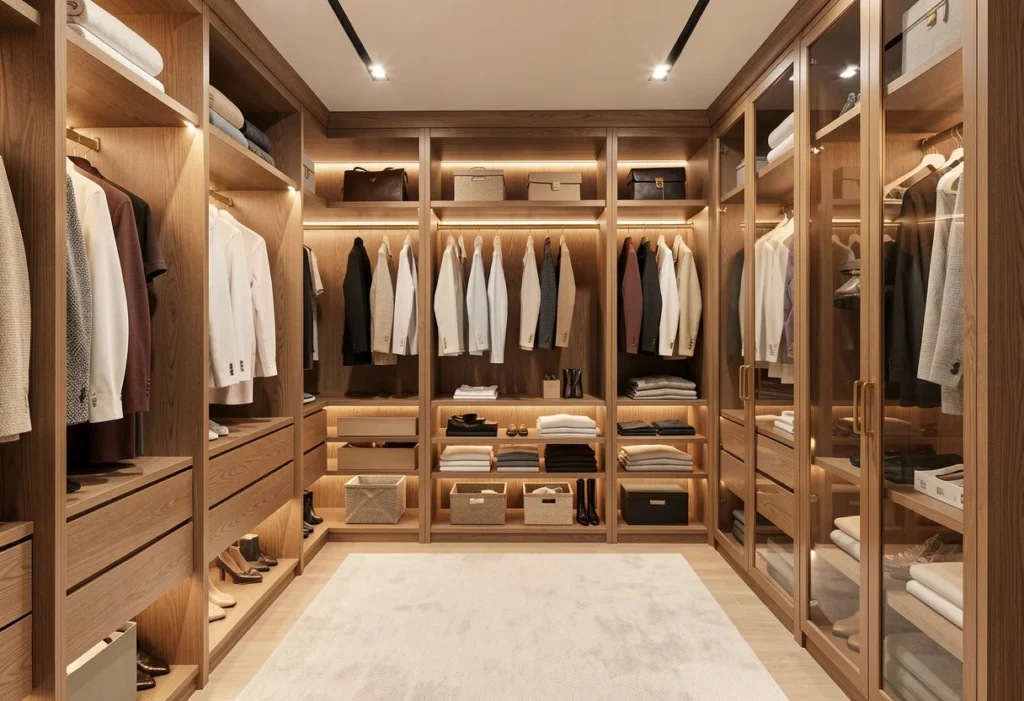
Modern family closets focus on adaptability and efficiency, making it easier to keep up with changing wardrobes and busy routines. Modular systems are especially valuable because adjustable shelves, rods, and drawers can be reconfigured as children grow or storage needs shift, eliminating the need for a full redesign. Minimalist designs help create a calm, uncluttered environment; features like clean lines, concealed storage, and coordinated materials reduce visual mess and make the closet feel more spacious and organized. Choosing durable, low-maintenance materials such as laminated wood, metal hardware, or washable bins ensures the closet can handle daily use, sticky fingers, and frequent reorganizing while remaining easy to clean and maintain. Finally, integrated lighting elevates both function and comfort. LED strips, motion-activated lights, or under-shelf illumination improve visibility, making it easier to find items quickly and use the closet efficiently, even during early mornings or late-night routines.
Long-Term Benefits of a Well-Designed Family Closet
When designed properly, a family closet provides far more than simple storage, it becomes a true support system for daily life.
Time Savings: An organized family closet makes it easy to locate clothing, shoes, and accessories without digging through piles or rummaging in multiple rooms. Designated zones, labels, and clear containers allow even children to find what they need quickly, which helps mornings run more smoothly and reduces last-minute delays.
Reduced Stress: A tidy, visually calm closet contributes to mental clarity and emotional ease. Instead of being greeted by clutter and overflow, you see order and structure. This decreases daily frustration, supports better routines, and makes getting dressed or putting laundry away feel less overwhelming.
Flexibility: A well-planned closet evolves as your family changes. Adjustable shelving, modular systems, and reconfigurable storage allow you to adapt easily to growth spurts, new hobbies, seasonal needs, or lifestyle shifts. You won’t have to rebuild the entire space every few years, the system grows with you.
Durability: Closets designed with quality materials and sturdy hardware withstand years of opening, closing, pulling, and rearranging. Reinforced rods, strong shelves, and durable bins prevent sagging and breakage, ensuring the closet remains functional even with heavy use from multiple family members.
Aesthetics: Beyond practicality, a cohesive and attractive closet design enhances your overall home environment. Coordinated finishes, thoughtful lighting, and clean layouts make the space pleasant to use and visually appealing, turning a functional area into a polished extension of your home’s style.
Designing a closet for a growing family is an investment in both efficiency and peace of mind. By assessing your space, choosing durable materials, and incorporating flexible storage solutions, you can create a closet that evolves with your family’s needs. Start with clear zones, smart storage, and adjustable shelving to accommodate growth. With thoughtful planning, your family’s closet can stay organized, clutter-free, and functional for years to come.
To take the next step, consider sketching your layout, listing must-have features, and setting a realistic budget. If you feel overwhelmed, consulting a professional closet designer can help you maximize every inch and avoid costly mistakes. A well-designed family closet doesn’t just store belongings, it supports smoother mornings, easier laundry days, and a calmer home environment.