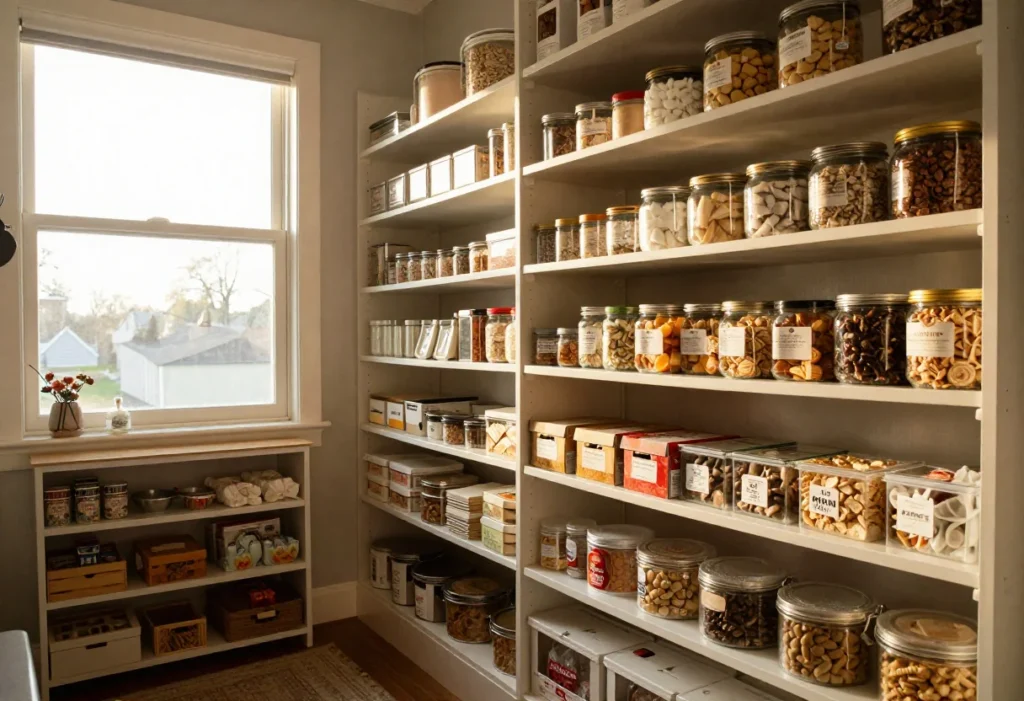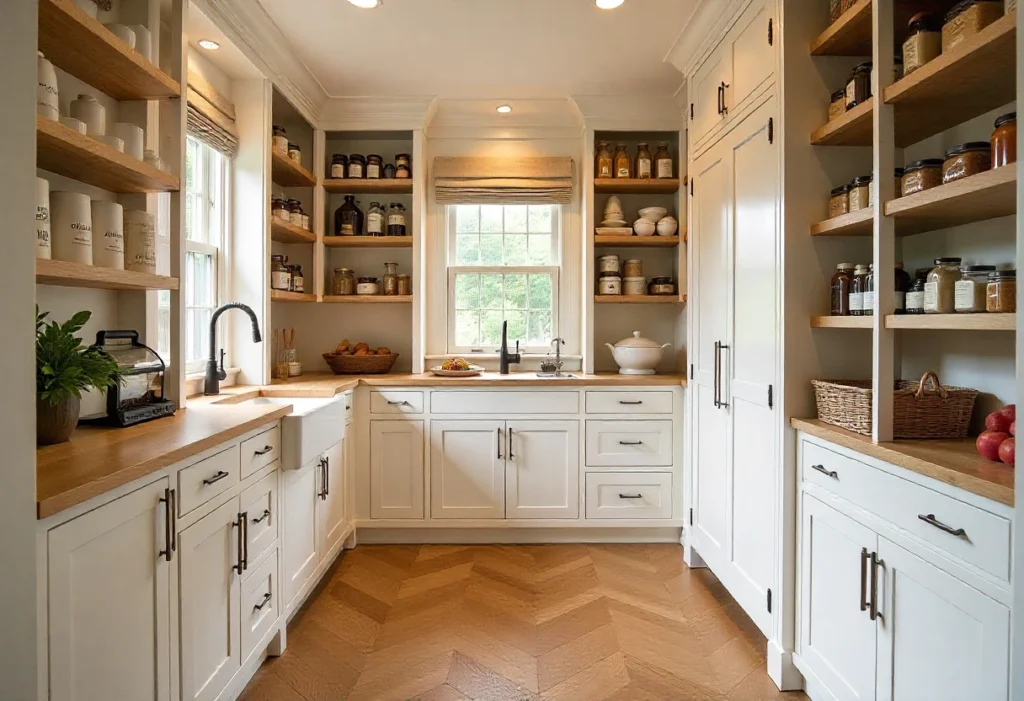
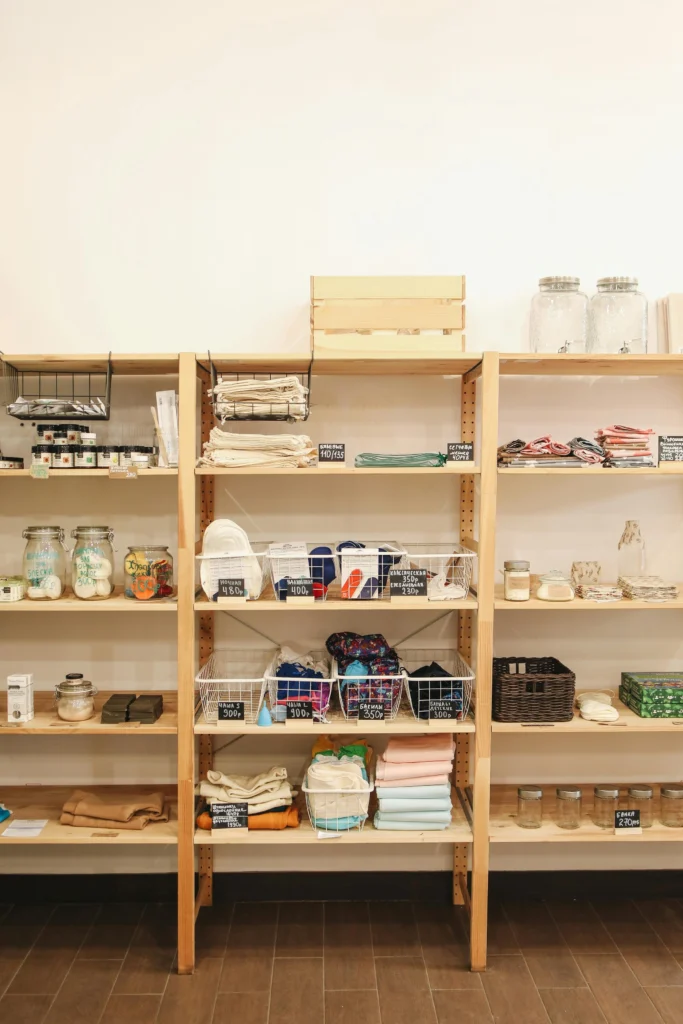
A well-organized pantry is the cornerstone of an efficient and stress-free kitchen, helping you save time, reduce food waste, and maintain a clutter-free cooking environment. Many homeowners underestimate the impact a tidy pantry can have on daily life, from simplifying meal prep to making grocery shopping more efficient. With a thoughtful, systematic approach to storage, even a crowded or awkward space can be transformed into a highly functional, easy-to-navigate hub.
In this blog, we’ll explore practical strategies, innovative storage solutions, and expert organization tips that not only maximize your pantry space but also make your kitchen more enjoyable and streamlined for everyday use.
Why Pantry Organization Matters
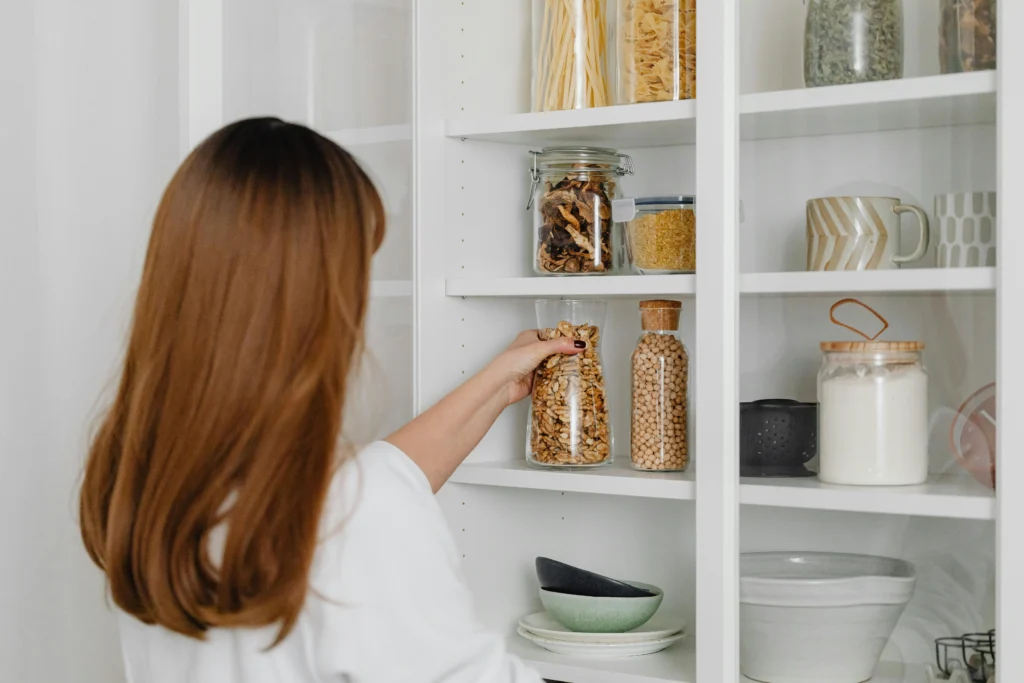
A disorganized pantry is more than just an inconvenience, it can disrupt your kitchen’s functionality, complicate grocery shopping, and even affect your household budget. Items that are buried behind others or forgotten past their expiration date often go to waste, costing money and contributing to unnecessary food loss. By implementing an organized system, everything in your pantry becomes visible and easily accessible, allowing you to track what you have, plan meals efficiently, and reduce spoilage. A thoughtfully arranged pantry also saves time during cooking, as ingredients are easy to find, and meal prep becomes smoother and less stressful.
Even in small kitchens, clever organization strategies such as utilizing vertical space with stacked shelves, adjustable racks, clear storage containers, and labeled bins can significantly increase storage capacity. Creating designated zones for different categories, like baking supplies, snacks, canned goods, and spices, ensures that items are always in their proper place, reducing clutter and making your kitchen feel more open, functional, and enjoyable to use. Over time, these habits not only enhance efficiency but also encourage smarter grocery shopping, helping you buy only what you need and maintain a streamlined, cost-effective pantry.
Assess Your Pantry Before You Organize
Before adding bins, racks, or labels, it’s essential to understand what you have and how you use your pantry to create a system that is functional, efficient, and easy to maintain.
Step 1: Remove Everything – Begin by taking every single item out of your pantry. Clearing the shelves allows you to see the full scope of what you own and prevents overlooked clutter from sneaking back in. Use this opportunity to thoroughly clean each shelf, wiping away dust, crumbs, and sticky residues. Sanitizing the pantry ensures that your reorganized space remains hygienic and safe for food storage. Emptying the pantry also provides a moment to evaluate your overall inventory, helping you identify items you’ve forgotten, duplicates, or products you no longer use.
Step 2: Categorize Items – Once your pantry is empty, start grouping items into logical categories. Common categories include canned goods, baking supplies, snacks, cereals, condiments, beverages, and spices. Within each category, consider sub-categorizing for even easier access, for example, separating savory snacks from sweet treats or grouping baking essentials like flour, sugar, and chocolate chips together. Categorizing not only simplifies storage decisions but also allows you to see which items are abundant, which are running low, and which may need to be replaced soon. This step also makes cooking and meal prep much faster, as you’ll always know exactly where to find the ingredients you need.
Step 3: Purge Unnecessary Items – With your pantry items categorized, carefully go through each group and remove anything that is expired, stale, or no longer wanted. Check expiration dates, inspect packaging for damage, and consider whether you realistically use the item. Unopened and non-perishable items that you no longer need can be donated to food banks or shared with friends and family. Eliminating these unnecessary products frees up valuable shelf space, reduces visual clutter, and allows you to prioritize keeping your pantry stocked with items you actually use. A leaner inventory also reduces overwhelm, making it easier to maintain organization over the long term.
By following these three foundational steps—clearing, categorizing, and purging—you set the stage for a truly organized pantry that maximizes space, enhances accessibility, and transforms your kitchen into a more functional, efficient, and enjoyable workspace. Once these steps are complete, you can confidently move on to implementing storage solutions like labeled bins, adjustable racks, and creative shelving systems tailored to your unique kitchen needs.
Pantry Organization Solutions
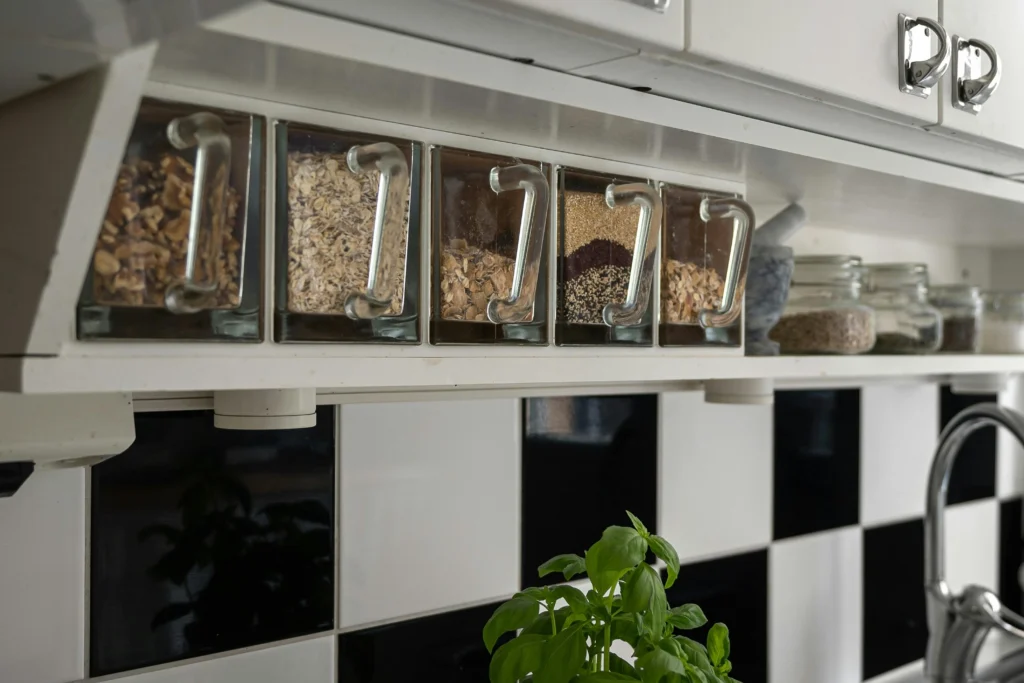
Choosing the right tools can transform your pantry from a cluttered storage area into a highly functional and efficient space. With thoughtful selection, you can make items more accessible, maximize every inch of your pantry, and maintain order with minimal effort.
Clear Containers and Bins – Using uniform, clear containers allows you to see the contents at a glance, reducing the need to open multiple packages while searching for ingredients. Labeling each container adds an extra layer of organization, making it easier for all household members to find and return items to their proper place. Airtight containers are especially valuable for grains, pasta, cereals, nuts, and snacks, as they preserve freshness and protect against pests. Stackable containers also help maximize vertical space, creating a clean, streamlined look while saving valuable shelf area.
Adjustable Shelving – Flexible shelving systems allow you to customize the height between shelves to fit items of varying sizes. This is particularly useful for storing tall bottles, juice cartons, or cereal boxes alongside shorter jars and cans. Adjustable shelving ensures that every inch of vertical space is used efficiently, eliminating wasted gaps and making it easier to reach items without bending or stretching.
Door Storage – The back of pantry doors is often underutilized but can be a perfect spot for additional storage. Installing racks, hooks, or pockets on doors creates space for spices, condiments, small snacks, or even cooking utensils. Door storage keeps frequently used items at eye level, reduces clutter on main shelves, and maximizes otherwise wasted space.
Lazy Susans and Turntables – These rotating platforms are ideal for deep shelves where items tend to get pushed to the back. By placing bottles, jars, or canned goods on a Lazy Susan, you can easily spin the contents to access what you need without moving multiple containers. Turntables reduce frustration, prevent items from being forgotten, and make inventory management much simpler.
Pull-Out Drawers – Sliding drawers are perfect for smaller items, snacks, or packaged goods that otherwise get lost in the back corners of shelves. They allow you to access everything in a single pull, preventing piles from toppling and ensuring that each item has a designated place. Drawers also make pantry organization more visually appealing and reduce the time spent searching for ingredients during cooking.
By combining these tools strategically, you can create a pantry that is not only aesthetically pleasing but also highly functional. Clear visibility, smart storage solutions, and easy access make meal preparation faster, reduce food waste, and maintain order, transforming your pantry into a truly efficient kitchen hub.
How to Maximize Vertical Space
Vertical space is one of the most underutilized areas in a pantry, yet making the most of it can dramatically increase storage capacity and organization. Stackable bins allow you to store multiple layers of products such as snacks, grains, or baking supplies without sacrificing visibility, keeping everything accessible while maximizing shelf height. Tiered shelving or risers are perfect for cans, bottles, and smaller jars, elevating items at the back so they’re easy to see and reach, which prevents products from getting lost or forgotten.
Additionally, hooks and hanging baskets can be installed beneath shelves, on walls, or even inside pantry doors to hold utensils, small baskets, or reusable bags, making use of vertical surfaces that would otherwise remain empty. By combining stackable storage, tiered systems, and hanging solutions, you can transform wasted vertical space into practical storage, keeping your pantry organized, accessible, and clutter-free.
Labeling and Signage
Clear Labels
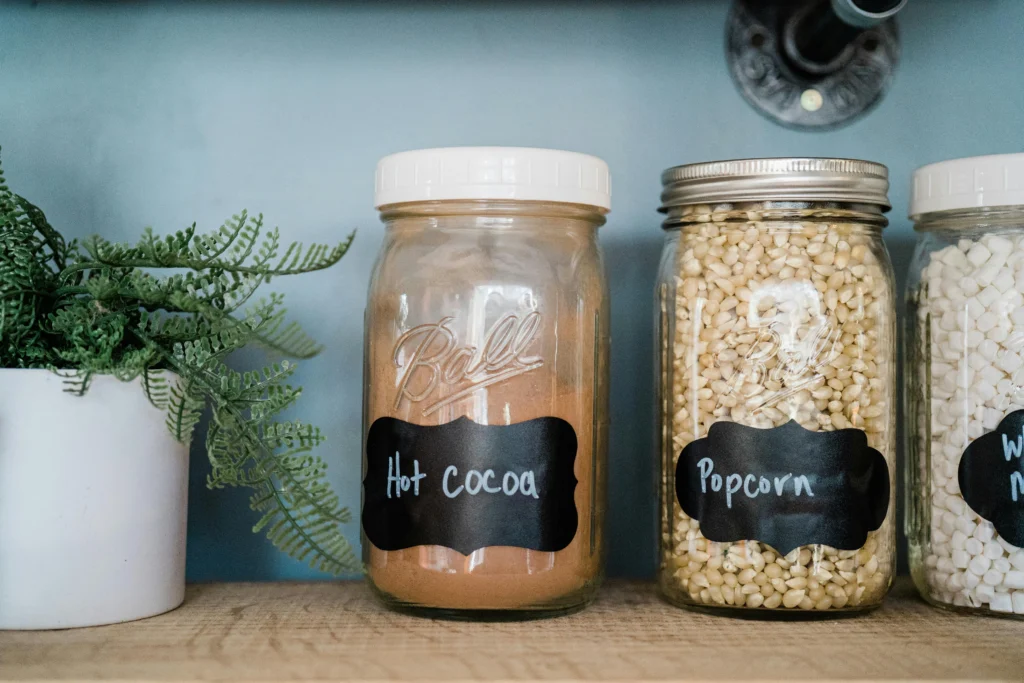
Using clear, easy-to-read labels ensures that every item in your pantry can be quickly identified at a glance. Opt for fonts that are legible from a distance, and choose waterproof or laminated materials to prevent smudging or damage from moisture. Clear labeling not only speeds up meal prep but also helps everyone in the household know exactly where things belong, reducing clutter and misplaced items.
Color-Coding
Color-coding adds a visual layer of organization that makes navigating your pantry effortless. Assign specific colors to categories such as green for baking ingredients, red for snacks, blue for beverages, or yellow for canned goods so that items can be instantly recognized without reading each label. This system is especially helpful in busy households or for children learning where things go, and it reinforces consistency in returning items to their proper spots.
Rotating Labels
For items that change frequently like seasonal ingredients, holiday treats, or rotating stock consider using reusable labels such as chalkboard tags or dry-erase labels. These allow you to update contents without removing or replacing permanent labels, keeping your pantry flexible and adaptable to changing needs. Rotating labels also make it easy to implement a first-in, first-out system, ensuring that older items are used before newer ones, reducing waste and maintaining freshness.
Pantry Organization for Different Household Needs
Pantry organization should reflect the unique needs of each household, as size, cooking habits, and lifestyle all influence storage requirements. For small families or couples, it’s best to focus on vertical storage solutions, stackable containers, and streamlined inventory to keep the pantry manageable and prevent overcrowding. Large families benefit from larger bins, multiple dedicated zones, and pull-out drawers that make frequently used items easy to access while accommodating a higher volume of food.
Frequent cooks can optimize their pantry by creating specialized zones, such as a baking section with labeled containers for flour, sugar, and other essentials, along with easily accessible spice racks and prep materials to streamline meal preparation. Minimalists, on the other hand, thrive with a simplified approach keeping only essential items, investing in a few high-quality containers, and maintaining a clear labeling system that reduces clutter and visual noise. Tailoring your pantry organization to your household’s habits ensures efficiency, accessibility, and long-term functionality.
Maintaining Your Organized Pantry
Once your pantry is organized, maintaining that order is essential for long-term success and efficiency. Regular checks such as a quick monthly review allow you to remove expired items, wipe down shelves, and ensure containers remain properly aligned. Consistent restocking is equally important: placing items back in their designated zones each time you shop or use them helps preserve organization and reduces stress during meal prep. Incorporating quick daily adjustments, like spending a few minutes returning items to their proper places, prevents clutter from accumulating and keeps the pantry functional. Additionally, seasonal rotation ensures your pantry reflects current cooking habits, holidays, or the availability of fresh produce, keeping your storage practical, adaptable, and easy to navigate year-round.
Common Pantry Mistakes to Avoid
Even with a solid plan, certain pitfalls can quickly derail your pantry organization.
Overcrowding Shelves
Cramming items together may seem like a way to maximize space, but it actually reduces visibility and accessibility. When products are stacked or crowded, it becomes harder to find what you need, increasing the likelihood of items being forgotten or overlooked. Overcrowding also makes it difficult to clean or maintain the pantry, and can lead to spills or toppled containers that create additional mess.
Ignoring Expiration Dates
Failing to regularly check and rotate stock can result in expired or spoiled items taking up valuable space. Older items should be placed at the front of shelves while newer purchases go to the back, following a “first in, first out” system. This simple habit prevents waste, ensures food safety, and keeps your pantry running efficiently.
Lack of Clear Zones
Mixing categories like snacks with baking ingredients or canned goods with condiments can create confusion and slow down meal prep. Designating specific zones for different types of items makes it easy to locate what you need quickly. Clear zones also help family members follow the system, maintaining organization consistently.
Underutilizing Space
Many pantries fail to take advantage of vertical shelves, door racks, or hanging storage. Neglecting these areas leaves potential storage unused, forcing you to cram items onto existing shelves. Using all available space thoughtfully stackable bins, tiered shelving, hooks, and door-mounted racks can dramatically increase capacity while keeping items accessible and orderly.
Smart Pantry Products to Consider
Certain products can make pantry organization faster, more efficient, and easier to maintain:
Airtight Canisters: These are perfect for storing dry goods such as flour, sugar, grains, pasta, or snacks. Airtight seals help preserve freshness, prevent pests, and reduce spills. Clear canisters also allow you to see contents at a glance, making it simple to track inventory and know when to restock.
Stackable Bins: Stackable bins make the most of vertical space by allowing multiple layers of storage without sacrificing visibility or accessibility. They are ideal for cereals, chips, snack packs, or miscellaneous pantry items, helping keep products organized and contained while reducing clutter.
Pull-Out Drawers: Sliding drawers make smaller items easy to access and prevent them from getting lost at the back of shelves. They are excellent for snack packs, seasoning packets, or smaller pantry staples, providing a clear view of inventory and keeping items neatly contained.
Door Racks: Utilizing the back of pantry doors creates additional storage for spices, condiments, oils, or small bottles. Door racks keep frequently used items within easy reach, freeing up shelf space for larger products and maximizing every inch of the pantry.
Lazy Susans: Turntables or Lazy Susans allow you to rotate items at the back of deep shelves without moving everything in front. They are especially useful for cans, jars, sauces, or small bottles, improving accessibility and ensuring nothing gets lost in the back of the pantry.
The Benefits of an Organized Pantry
The benefits of an organized pantry extend far beyond just looking tidy.
Efficiency: With everything in its designated place, you spend less time searching for ingredients, making meal prep faster and more enjoyable. Knowing exactly where each item is streamlines cooking and reduces frustration in busy kitchens.
Cost Savings: Organization helps prevent forgotten or expired items, minimizing food waste and saving money. Clear visibility of your pantry contents also encourages smarter shopping, so you buy only what you need.
Stress Reduction: A clutter-free pantry creates a sense of order and calm. Reduced visual chaos lowers anxiety and allows for a smoother workflow when cooking or planning meals.
Aesthetics: Beyond function, a well-arranged pantry contributes to a cleaner, more polished kitchen environment. Neatly stacked containers, labeled zones, and orderly shelves make the space visually appealing and satisfying to use.
Your pantry doesn’t have to be a source of stress or frustration. With thoughtful organization and smart storage solutions, you can transform it into a functional, visually appealing space that makes cooking, meal prep, and even grocery management a pleasure. Begin by thoroughly assessing your pantry, empty it out, sort items into categories, and remove anything expired or unused. Invest in quality containers, bins, and shelving that maximize both horizontal and vertical space, and create clearly defined zones tailored to your lifestyle, whether for baking, snacks, canned goods, or beverages.
Consistently maintaining these systems ensures your pantry stays orderly and efficient over time. By taking control of your kitchen storage, you’ll save time, reduce food waste, and enjoy a smoother, more enjoyable daily routine. Turn your pantry from a chaotic, cluttered space into a calm, organized hub, your kitchen will not only look better but function at its very best. Schedule an appointment now!