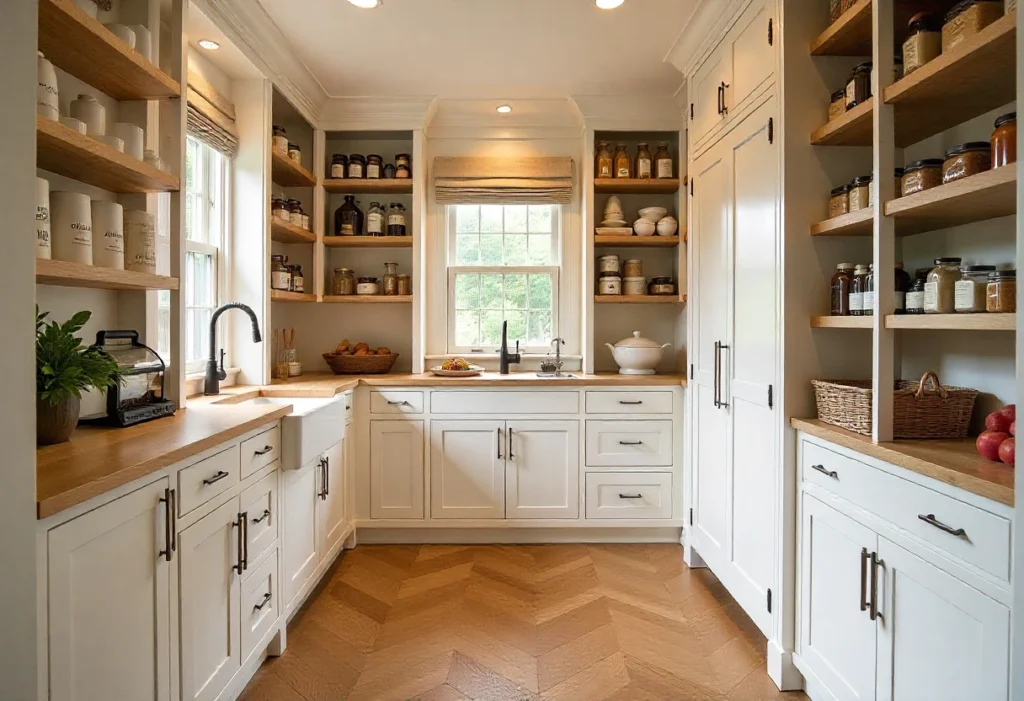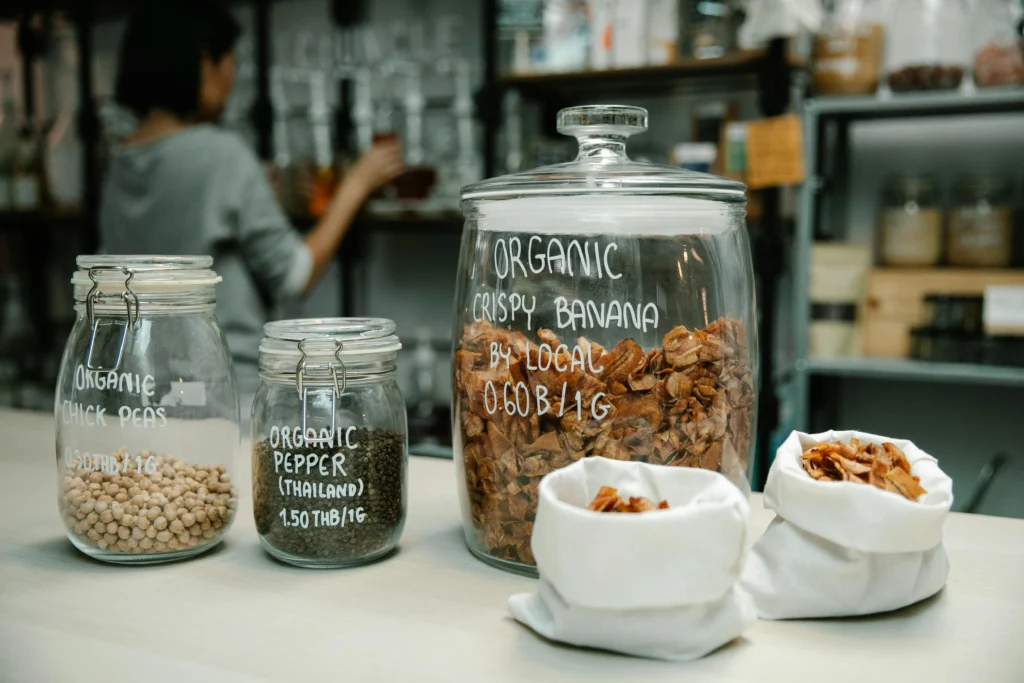
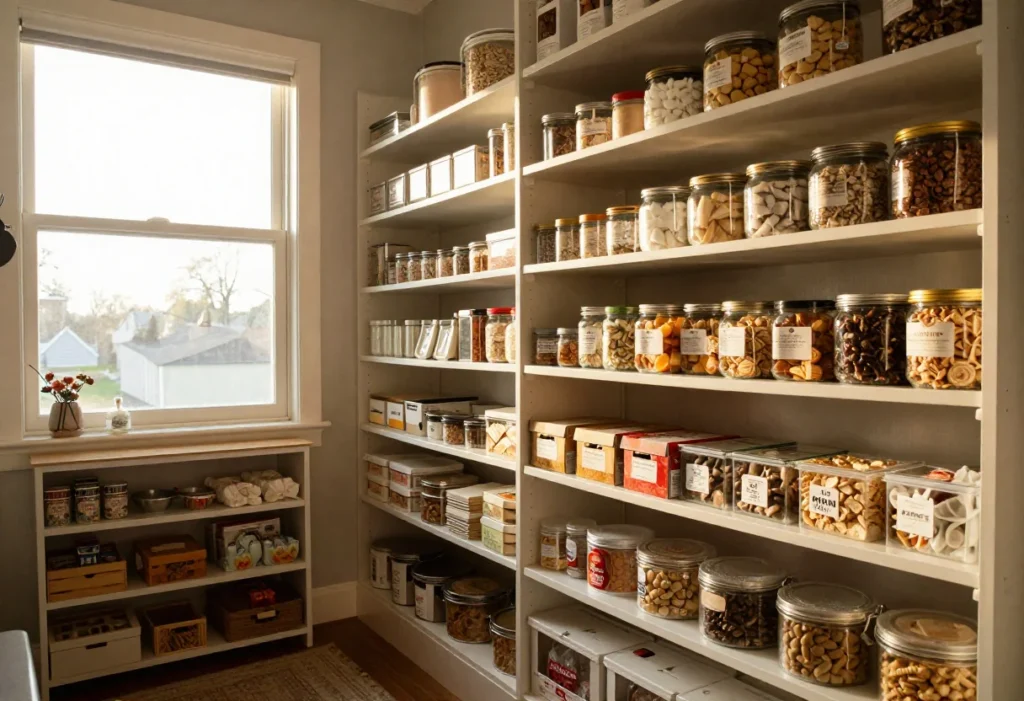
Well-designed pantry zones turn a crowded food storage area into a streamlined system that genuinely supports your daily routines. Instead of digging through cluttered shelves, doubling up on items you forgot you had, or wasting time searching for ingredients mid-recipe, dividing your pantry into clearly defined sections makes cooking and meal prep smoother and more enjoyable. When each category—snacks, baking supplies, canned goods, breakfast items, and more—has a designated home, clutter naturally decreases and efficiency improves. The result is a pantry that works with you, not against you, saving time, reducing food waste, and lowering everyday stress.
At St. James Closets, we believe storage should reflect how families truly live. A pantry is not just a cabinet filled with groceries, it is a functional workspace that supports everything from quick weekday breakfasts to elaborate holiday baking sessions. It’s where routines begin and gatherings take shape. Thoughtful zoning brings order to the chaos while maintaining a polished, cohesive appearance that complements the rest of your home. By combining smart organization with customized design, pantry zones create a space that feels intentional, accessible, and beautifully aligned with your lifestyle.
Why Pantry Zones Matter
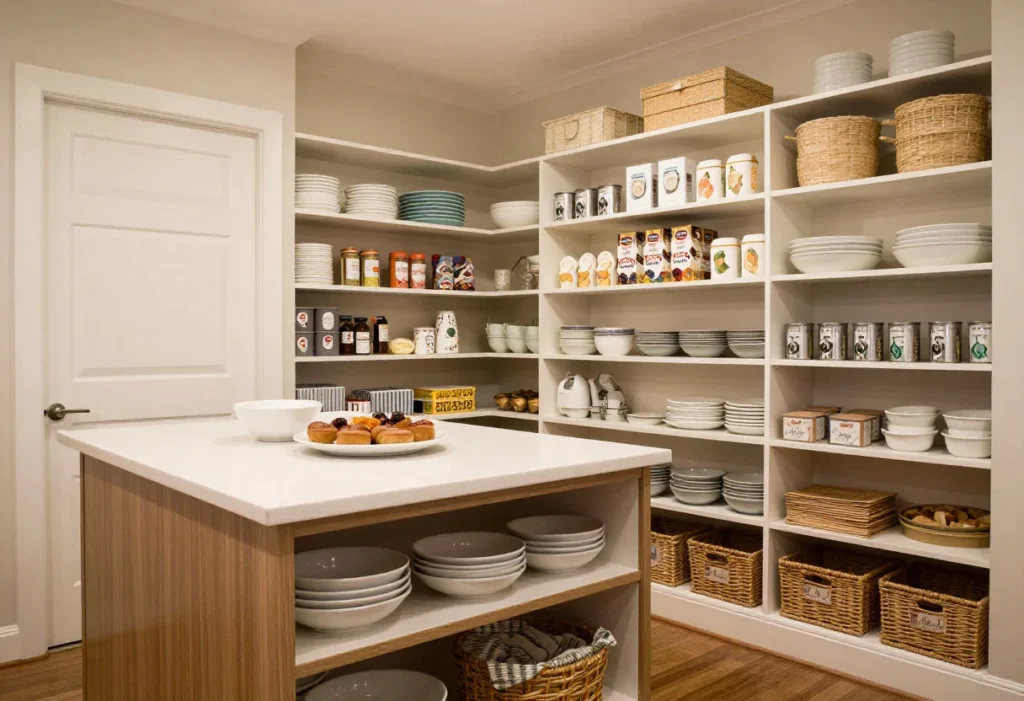
Creating clearly defined pantry zones does more than make shelves look neat, it transforms how your household functions day to day. When similar items are grouped together, you dramatically reduce the time spent searching for ingredients. Preparing school lunches becomes faster, weeknight dinners feel less chaotic, and hosting guests is far more enjoyable because everything you need is exactly where you expect it to be. Instead of scanning every shelf for breadcrumbs or spices, you can move confidently through your kitchen routine with efficiency and ease.
Organized zones also help reduce food waste. When items are categorized and highly visible, they’re far less likely to expire unnoticed at the back of a shelf. You can quickly assess what needs to be used soon, plan meals around what you already have, and avoid buying duplicates. This not only saves money but also supports more mindful consumption.
Finally, a zoned pantry is significantly easier to maintain. When every item has a designated home, putting groceries away becomes simple and intuitive. Family members are more likely to return items to their proper place because the system is clear and consistent. Over time, this structure encourages lasting organization rather than temporary tidiness, keeping your pantry functional, efficient, and stress-free.
Core Pantry Zones Every Home Should Consider
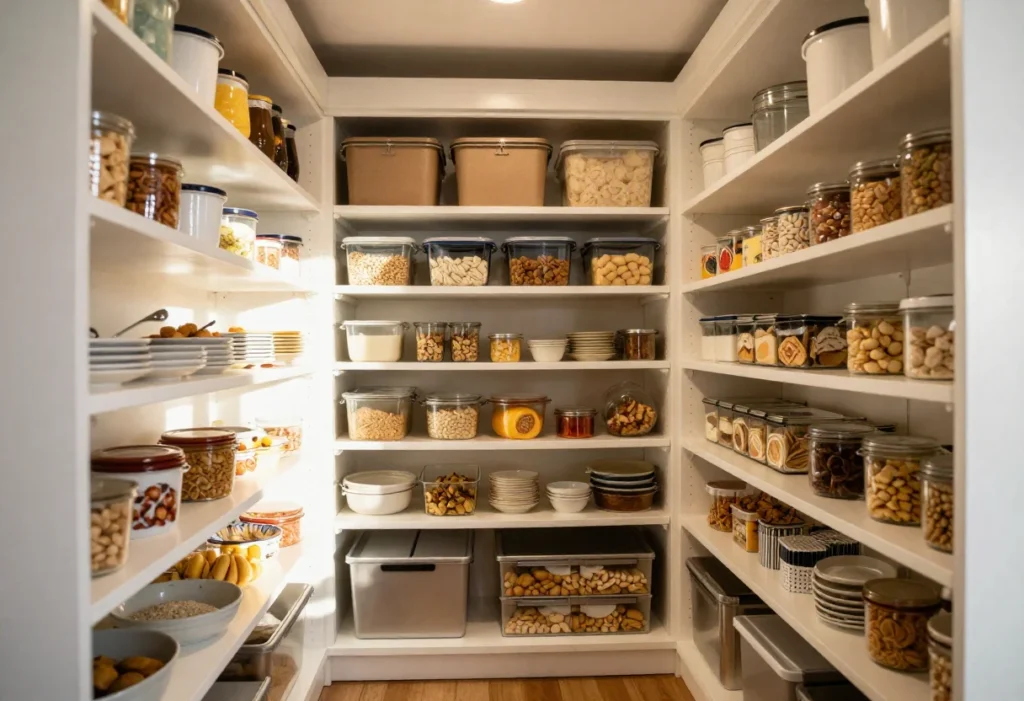
Snack Zone
A dedicated snack zone keeps grab-and-go items organized, visible, and easy to access, especially during busy mornings and after-school hours. By grouping chips, granola bars, crackers, and other quick bites into one clearly defined section, you reduce clutter and make it easier to see what’s available at a glance. Placing snacks on lower shelves allows children to reach them independently, encouraging responsibility while minimizing constant requests for help. Using labeled bins or clear containers keeps individual items neatly contained and prevents small packages from getting lost, while also maintaining a clean, polished look.
To reduce waste and maintain freshness, position newer snacks behind older ones so items are used in proper rotation. This simple, well-organized system ensures your pantry stays functional, efficient, and easy for everyone in the household to maintain.
Baking Zone
Baking ingredients function best when stored together in a dedicated zone that streamlines preparation and minimizes last-minute searching. Keeping flour, sugar, baking soda, cocoa powder, and other dry staples in airtight containers preserves freshness while creating a uniform, organized look that makes quantities easy to monitor. Storing measuring cups, spoons, and commonly used mixing tools nearby adds convenience and saves time when you’re in the middle of a recipe.
Specialty ingredients such as vanilla extract, food coloring, sprinkles, chocolate chips, and decorative toppings can be grouped in small, clearly labeled bins to prevent clutter and keep smaller items from getting lost. When thoughtfully arranged, a baking zone transforms your pantry into an efficient workspace that supports everything from everyday cookies to holiday desserts with ease.
Breakfast Zone
Mornings often move at a fast pace, and a designated breakfast zone helps streamline daily routines while reducing stress. Keeping cereals, oats, and granola in uniform containers not only preserves freshness but also creates a clean, visually consistent look that makes it easy to see when supplies are running low. Grouping spreads and toppings such as peanut butter, honey, syrups, and jam ensures everything needed for toast, oatmeal, or pancakes is within reach.
Quick options like protein bars, breakfast snacks, or instant packets should remain visible and accessible, making it simple for busy family members to grab something on the way out the door. A thoughtfully organized breakfast area supports smoother mornings and sets a calm, efficient tone for the rest of the day.
Cooking and Dinner Prep Zone
Dinner ingredients deserve thoughtful placement to support smooth, efficient meal preparation, especially during busy weeknights. Organizing canned goods vertically or using tiered shelf organizers improves visibility, allowing you to quickly scan labels and avoid purchasing duplicates. Pasta, rice, and dry beans are best stored in airtight containers to preserve freshness and extend shelf life, while also creating a cohesive, clutter-free appearance. Frequently used cooking oils, vinegars, and sauces should be kept within arm’s reach for convenience, but thoughtfully separated from dry goods to prevent spills and maintain order. A well-structured dinner zone minimizes last-minute searching and helps make evening cooking more organized and enjoyable.
Beverage Zone
Tea, coffee, and drink mixes function best when organized within a dedicated beverage zone that supports both daily routines and entertaining. Group coffee supplies, filters, whole beans, pods, ground coffee, creamers, and sweeteners, together so everything needed for a morning cup is within easy reach. A neatly arranged tea collection can be stored in drawer dividers or labeled bins, keeping different varieties visible and accessible while preventing boxes from toppling over. For bulk drink items such as bottled beverages, large containers of powdered mixes, or extra packs of coffee, place heavier products on lower shelves to reduce strain and improve safety. A thoughtfully arranged beverage zone not only simplifies busy mornings but also creates a welcoming setup for guests.
Designing Pantry Zones for Different Layouts
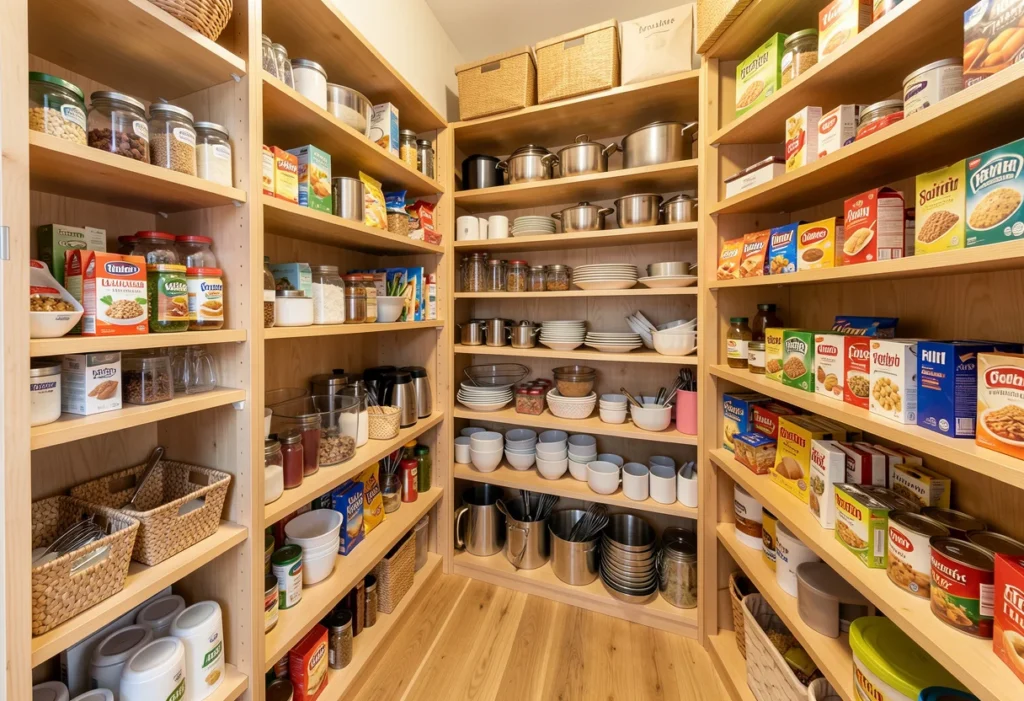
Whether large or compact, every pantry style benefits from intentional zoning tailored to its layout. Walk-in pantries offer the greatest flexibility, allowing for deeper zoning with adjustable shelving, clearly labeled sections, and vertical storage solutions that maximize capacity while keeping items accessible and visible. Cabinet pantries, though smaller, can function just as efficiently by incorporating pull-out drawers, tiered organizers, and stackable containers that create distinct categories within limited space. Pantry closets strike a balance between the two, and custom shelving with adjustable heights ensures families can easily reconfigure zones as storage needs evolve over time. Thoughtful design, regardless of pantry size, transforms any storage area into a streamlined, functional system that adapts to everyday living.
Storage Features That Enhance Pantry Zones
Thoughtful pantry design goes beyond simple shelving it incorporates smart features that adapt to your household’s changing needs. Adjustable shelving provides flexibility to accommodate everything from tall cereal boxes and bulk containers to small spice jars, allowing you to reconfigure storage as your inventory shifts. Pull-out drawers enhance visibility and accessibility, eliminating the frustration of reaching into deep cabinets and ensuring items at the back are never forgotten.
Vertical dividers offer an ideal solution for organizing baking sheets, cutting boards, trays, and platters upright, preventing cluttered stacks and making retrieval effortless. Integrated lighting further elevates functionality by illuminating every shelf and corner, improving inventory awareness and creating a polished, high-end appearance. Together, these features transform a standard pantry into an efficient, user-friendly space that supports daily routines with ease.
Common Pantry Zoning Mistakes
A well-organized pantry requires more than just dividing items it also requires mindful placement and spacing. Overcrowding shelves leaves little breathing room between items, which not only reduces visibility but also creates a sense of chaos that makes it harder to find what you need. Mixing categories such as storing baking ingredients alongside snacks or canned goods with cereals disrupts the flow of the pantry, forcing extra time to search for items and making it more difficult to maintain consistent organization.
Ignoring accessibility can lead to frustration: frequently used items should be placed at eye level for quick reach, while rarely used products can be stored on higher or lower shelves. Prioritizing both visibility and logical placement ensures your pantry remains efficient, easy to navigate, and visually appealing.
How Custom Storage Enhances Pantry Zones
At St. James Closets, pantry storage is thoughtfully designed around the unique rhythms of your household. Custom cabinetry, tailored shelving heights, and carefully planned layouts allow each zone to serve a clear purpose, making everyday tasks, whether cooking, snacking, or entertaining, smooth and intuitive. Instead of forcing items into a fixed, one-size-fits-all configuration, our custom solutions adapt to how your family actually lives, providing flexibility for seasonal changes, growing grocery needs, or evolving meal prep habits.
Professional design also ensures that every shelf, drawer, and bin maintains visual harmony, blending function with style so your pantry looks as organized as it performs. The result is a storage system that not only enhances efficiency and reduces clutter but also creates a polished, inviting space that complements the overall aesthetic of your kitchen.
Step-by-Step Guide to Creating Pantry Zones
| Step 1: Empty the Pantry | Begin your pantry organization by completely emptying all shelves, drawers, and containers. This allows you to see exactly what you have, assess expiration dates, and identify duplicates or items you no longer use. Taking everything out also provides a blank canvas to plan your zones effectively, ensuring that each item has a designated place. By starting fresh, you can make thoughtful decisions about what stays, what moves, and what might need replenishing, setting the stage for a truly functional and streamlined pantry. |
| Step 2: Categorize | Once your pantry is cleared and inventory assessed, begin grouping items into logical sections based on use and type. Create dedicated zones for snacks, baking ingredients, breakfast staples, and cooking essentials. This categorization not only makes it easier to locate items quickly but also streamlines meal prep and daily routines. Within each section, you can further organize by frequency of use or size, ensuring that the most-needed items are easily accessible. Logical grouping transforms your pantry from a cluttered storage space into a functional, efficient system that supports your household’s daily habits. |
| Step 3: Assign Zones | After grouping your pantry items into categories, plan your shelf placement according to how often you use each item. Items you reach for daily such as breakfast cereals, cooking oils, or snacks should be stored at eye level or within easy reach to minimize bending or stretching. Less frequently used ingredients, like specialty baking supplies or bulk items, can occupy higher or lower shelves. This strategic placement not only saves time but also keeps your pantry organized and intuitive, making it simple for every family member to find and return items efficiently. |
| Step 4: Install Storage Tools | Enhance your pantry organization by incorporating bins, containers, dividers, and labels to create a neat, structured system. Clear or labeled containers keep ingredients fresh while making it easy to see what’s inside at a glance. Bins group smaller items like snack packs, spice sachets, or individual beverage pouches preventing them from scattering across shelves. Dividers help separate baking sheets, cutting boards, or tall bottles, maintaining order and accessibility. Finally, labels ensure every item has a designated spot, guiding all household members to return things properly and helping maintain long-term organization. Together, these tools transform a simple pantry into a functional, visually appealing workspace. |
| Step 5: Maintain the System | Maintaining a well-organized pantry is easier when the whole family is involved. Encourage family members to put items back in their designated spots, follow rotation systems, and help with restocking shelves. Make the process simple and intuitive by using clearly labeled bins and containers, so everyone knows exactly where things belong. Involving kids can also teach responsibility and foster independence, especially when they can easily access snacks or breakfast items on their own. By creating a shared sense of ownership, pantry organization becomes a sustainable habit rather than a one-time effort, keeping your kitchen efficient and clutter-free over the long term. |
Long-Term Benefits of Pantry Zones
A well-zoned pantry delivers benefits that go far beyond aesthetics, transforming everyday routines into smoother, more enjoyable tasks. Faster meal preparation becomes possible when ingredients are grouped logically and easily accessible, allowing you to find what you need without digging through cluttered shelves. Reduced food waste naturally follows, as visibility is improved and items are less likely to expire unnoticed, saving both money and resources. Easier grocery planning is another advantage when you can quickly see what you have and what’s running low, shopping trips become more efficient and purposeful. Improved visual appeal comes from neatly arranged containers, labeled bins, and thoughtfully separated zones, creating a space that looks as polished as it functions.
Finally, consistent organization habits are reinforced for everyone in the household, encouraging all family members to return items to their proper places and maintain a clutter-free environment. Altogether, a zoned pantry supports efficiency without sacrificing style, becoming a workspace that truly works with you rather than against you.
Transform your kitchen into a model of efficiency and style, reach out to St. James Closets today. Our experts will help you design a custom pantry that keeps snacks, baking essentials, breakfast items, and more neatly organized, accessible, and ready to use all year long. Don’t settle for clutter, create a pantry that works with your lifestyle and elevates your home.
A cluttered pantry slows down even the simplest tasks. With thoughtfully planned pantry zones, your kitchen becomes more efficient, organized, and enjoyable to use. At St James Closets, we design custom pantry storage systems tailored to your routines and space. Contact us today to create a pantry that keeps snacks, baking supplies, breakfast items, and more perfectly organized all year long.