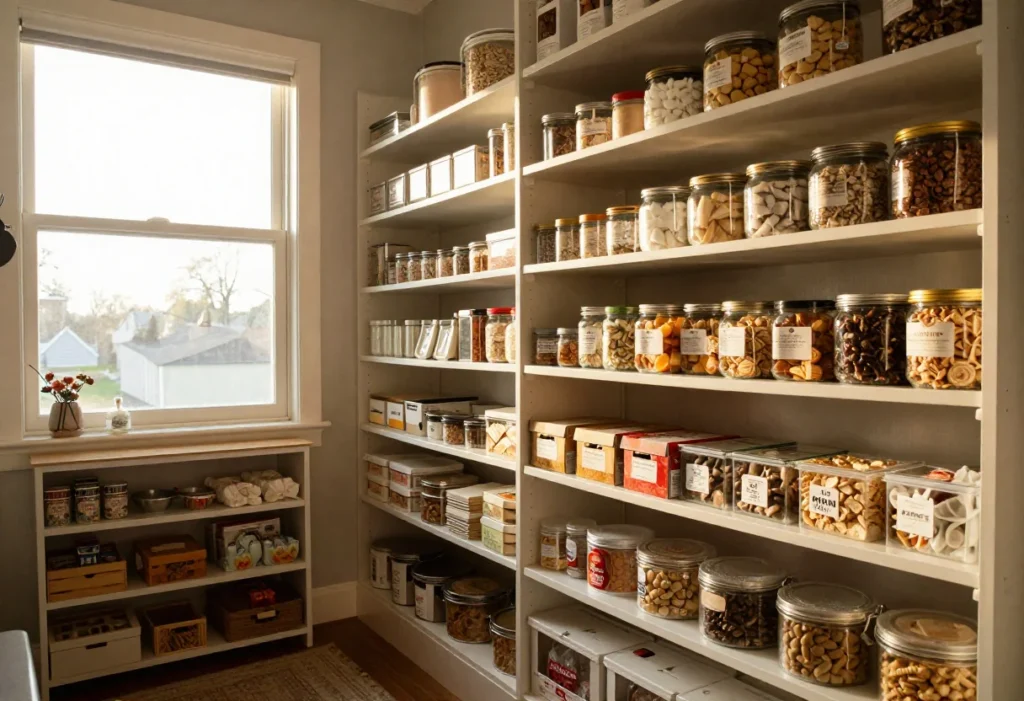
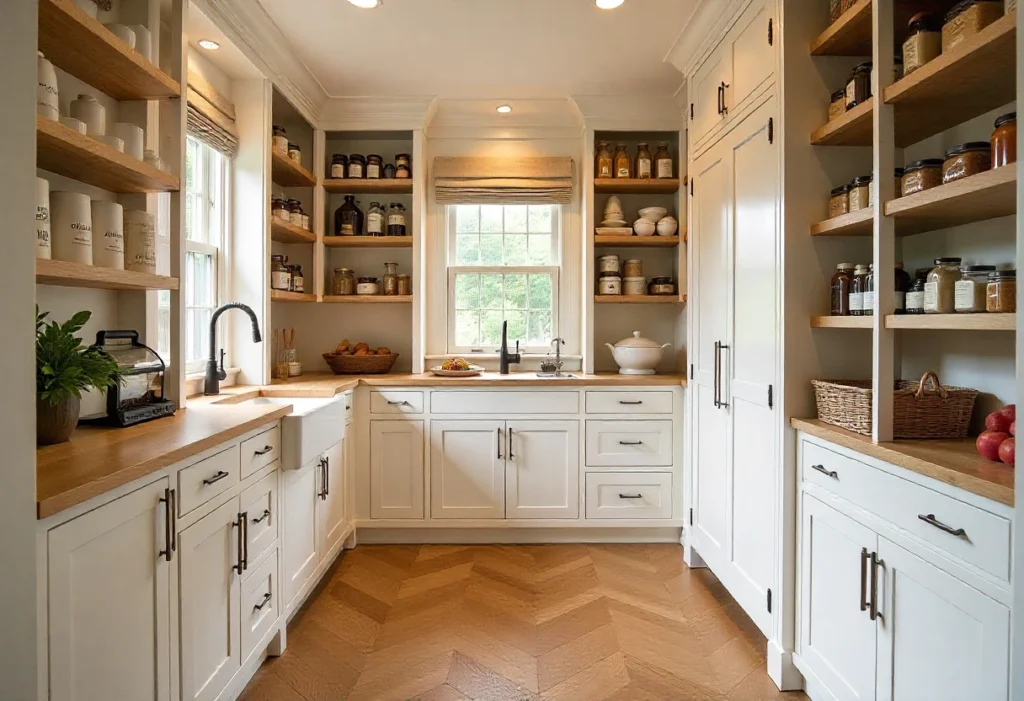
An effective pantry is more than just a storage space, it’s the backbone of a calm, organized kitchen. When your pantry is thoughtfully arranged, it allows you to locate ingredients quickly, reduce food waste, and streamline meal preparation, even during the busiest weeks. On the other hand, a cluttered, disorganized pantry can make cooking stressful, obscure what you actually have on hand, and lead to expired items piling up. At St. James Closets, the focus is on creating storage solutions that are both functional and beautiful, designed to support your lifestyle and everyday tasks. A well-planned pantry not only keeps ingredients within easy reach but also transforms your kitchen into a space that feels orderly, inviting, and inspiring.
In this article, we’ll explore practical strategies for keeping your pantry in top shape. You’ll learn how to tackle seasonal refreshes, implement adaptable storage systems that change with your needs, and maintain habits that preserve order year-round. With the right approach, your pantry can become a stress-free hub of efficience, a space where cooking feels effortless, ingredients are never lost, and every item has its place.
Why Seasonal Pantry Organization Matters
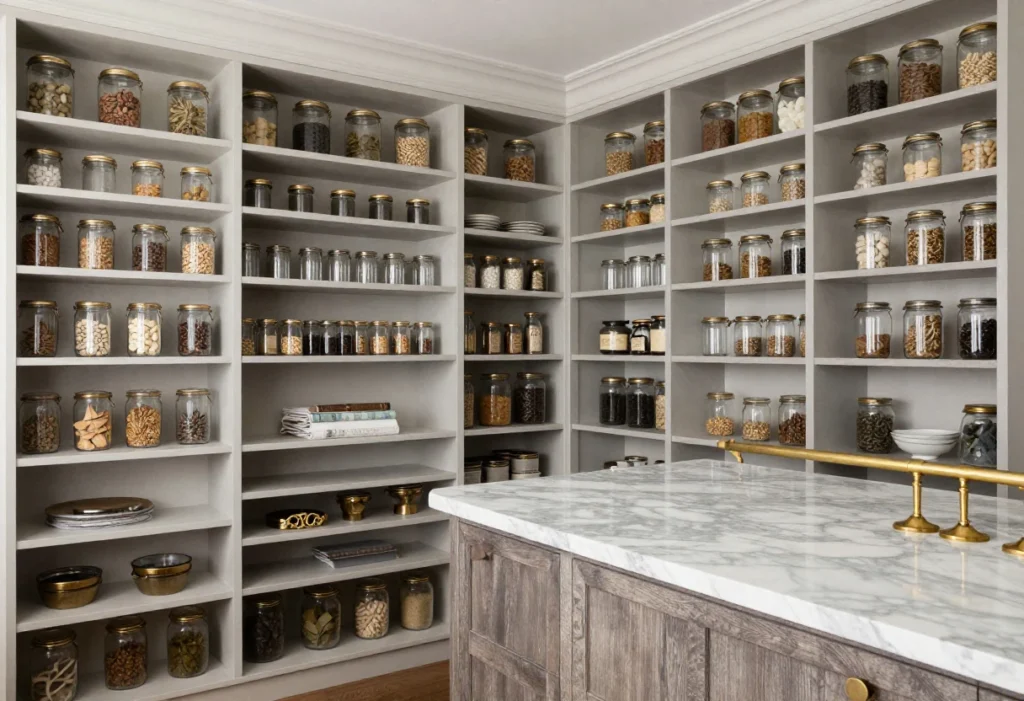
A well-organized pantry is more than just a storage area, it’s a dynamic system that adapts to your lifestyle, supports efficiency, and helps reduce stress in the kitchen. One key principle is adapting storage to your use patterns, especially as they change with the seasons. In summer, you may find grilling supplies, lighter snacks, and picnic-ready items taking priority, while fall and winter bring baking essentials, hearty soups, and comfort-food staples to the forefront. By adjusting your pantry to reflect what you’re actually cooking and eating at a given time, you create a space that feels intuitive and responsive rather than cluttered or overwhelming.
Seasonal organization also plays a critical role in reducing food waste. When larder items are rotated regularly and older products are placed at the front of shelves, nothing gets forgotten at the back. You’ll be more likely to use ingredients before they expire, saving money and minimizing waste. This simple habit ensures that every item in your pantry serves a purpose and contributes to a more sustainable kitchen routine.
Beyond reducing waste, a thoughtfully arranged storage room makes meal preparation faster and easier. By grouping ingredients according to seasonal dishes, such as baking items around the holidays or barbecue supplies in summer, you can streamline your cooking process. When everything you need is within reach and logically organized, meal prep becomes smoother, whether you’re whipping up a quick weeknight dinner or hosting a seasonal gathering.
Together, these strategies, adapting storage to your patterns, keeping ingredients visible and accessible, and organizing by seasonal needs, transform a pantry from a static storage space into a functional, responsive system. With a larder that works with you, cooking becomes less stressful, ingredients are used efficiently, and your kitchen operates with calm, intentional flow.
How to Refresh Your Pantry Each Season
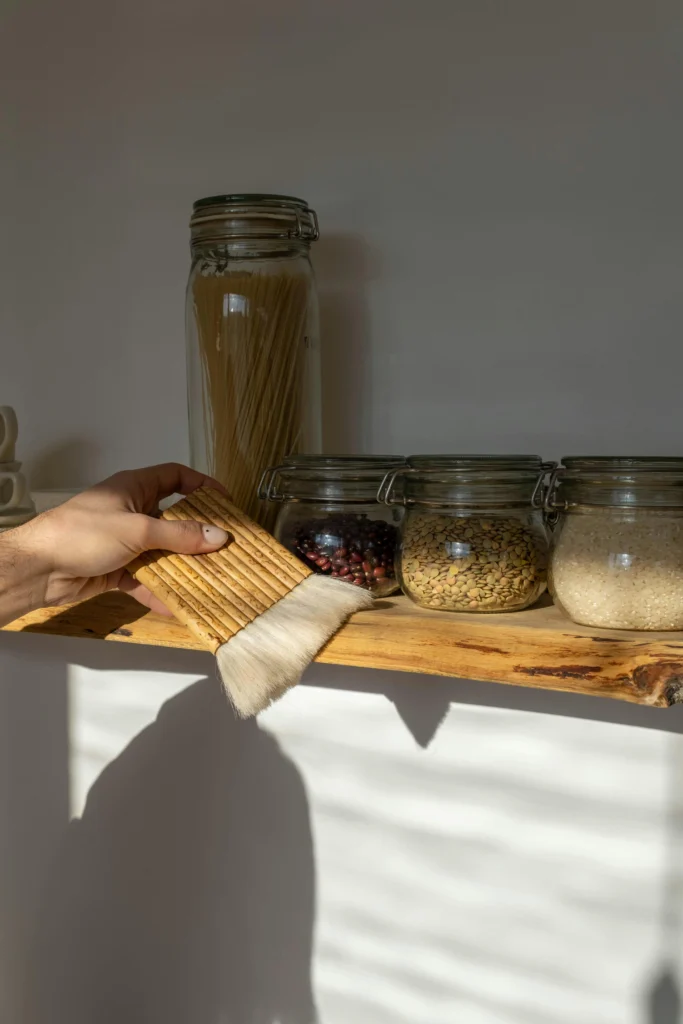
A well-organized storage room starts with regular maintenance. Performing a quarterly review, every three months, helps you stay ahead of clutter. During seasonal transitions, remove expired items, reorganize shelves, and rethink zones based on upcoming needs.
Start by emptying and cleaning a shelf or section completely. Wipe down surfaces and take stock of what you have. This “blank slate” approach prevents assumptions about what’s on hand and highlights unused space.
Finally, categorize items into intentional zones such as baking essentials, everyday snacks, breakfast staples, canned goods, and holiday cooking supplies. Clear categories make it easy to spot usage patterns, adjust storage, and ensure that everything has a purposeful place in your pantry.
Seasonal Pantry Tip: Group Items With Purpose
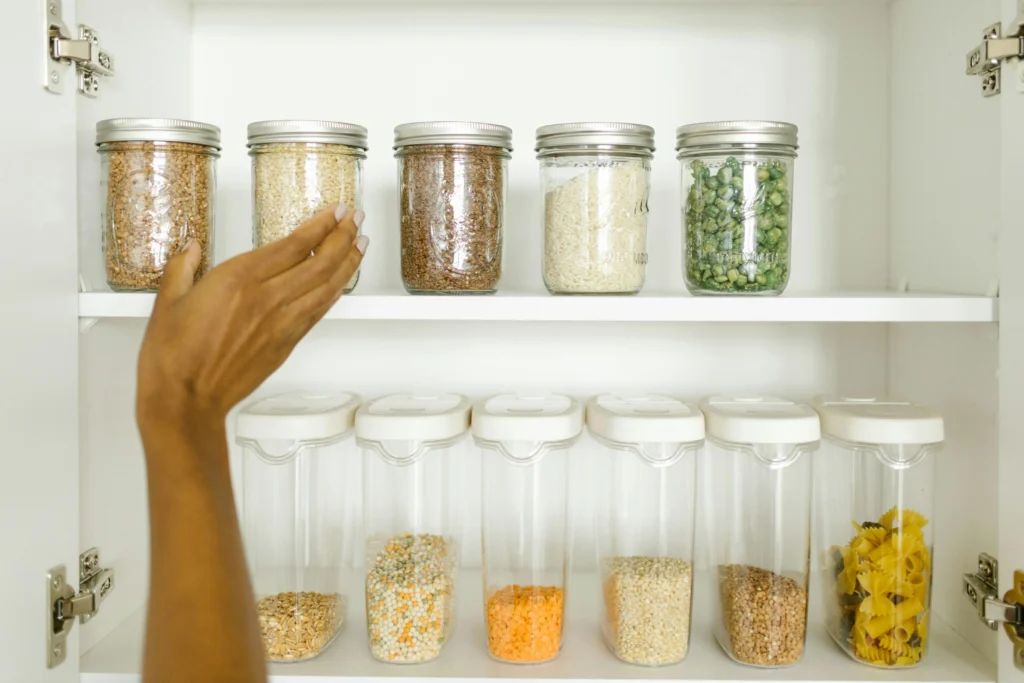
Organizing a pantry effectively goes beyond simply putting items on shelves, it’s about using tools and strategies that make everything accessible, visible, and easy to maintain. One of the most effective methods is using bins and baskets, especially clear or labeled ones. These containers define sections, prevent items from spilling into each other, and make it simple to find what you need at a glance. Group similar items together, like fruit snacks, baking supplies, or pasta and rice, to keep everything organized and reduce the time spent searching during meal prep. Labeled containers also help all household members know exactly where each item belongs, keeping your pantry tidy even when multiple people are using it.
Another way to maximize space is to stack items smartly. Placing like items on top of one another reduces wasted vertical space and improves visibility. Shelf risers or stackable bins allow you to create multiple layers, so you can fit more items without creating clutter. By stacking thoughtfully, even small pantries can hold a surprising amount of supplies while keeping everything easy to see and reach.
For deeper shelves, pull-out organizers or trays are particularly useful. These allow you to access items stored at the back without disturbing the rest of the shelf, making them ideal for seasonal ingredients, large containers, or items you don’t use daily. Pull-out systems ensure that every inch of your pantry is functional, reducing the chance that food gets forgotten and goes to waste.
By combining bins and baskets, smart stacking, and pull-out organizers, your pantry becomes a highly functional space where every item has its place. Not only does this make cooking and meal prep easier, but it also reduces stress, prevents food waste, and keeps your kitchen running smoothly.
Adjust Your Shelving Layout Seasonally
To maximize your pantry’s potential, it’s essential to incorporate flexible storage solutions that adapt to your changing needs. Adjustable shelving systems allow you to customize shelf heights based on what you store. Taller shelves can accommodate bulky holiday baking supplies, cereal boxes, or large pasta containers, while shorter shelves are perfect for spice jars, snack containers, or other small everyday items. This adaptability ensures that every inch of your pantry is used efficiently, keeping it functional, organized, and easy to navigate.
Equally important is the back of pantry doors, an often-overlooked storage opportunity. Installing spice racks, hanging baskets, or small bins for seasoning packets transforms this unused space into practical, accessible storage. Door-mounted solutions keep frequently used items within reach while freeing up shelf space for larger containers or less frequently used ingredients.
When combined, adjustable shelving and creative door storage create a pantry that is both versatile and efficient. You’ll have room for everything, from everyday essentials to seasonal ingredients, while maintaining organization and accessibility. Not only does this approach make cooking and meal prep smoother, but it also results in a visually appealing pantry where every item has its place.
Smart Labeling and Inventory Systems
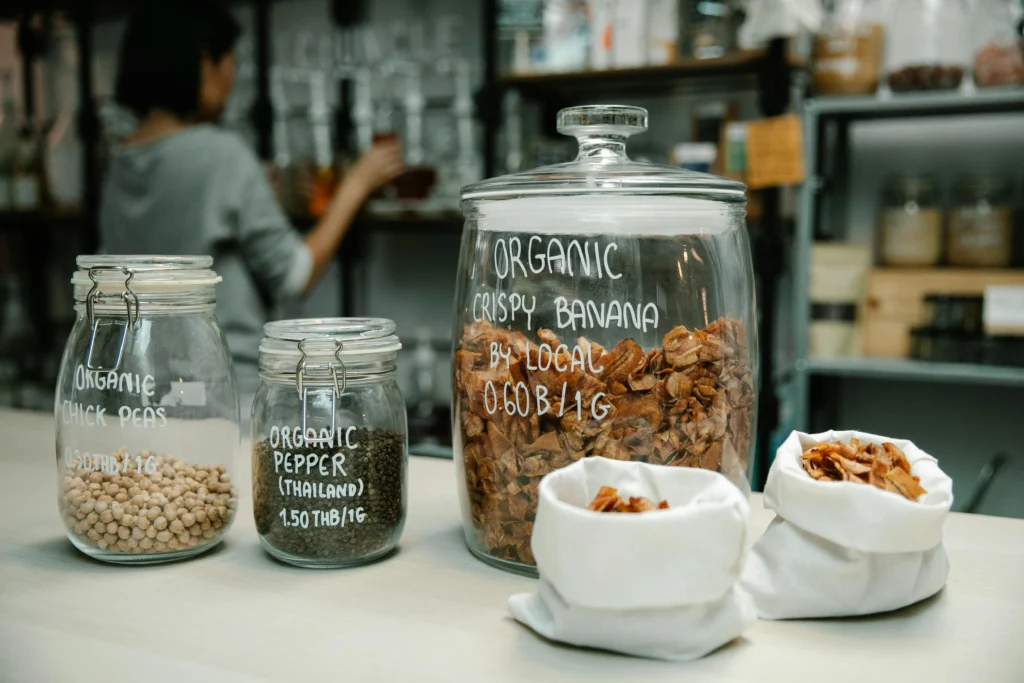
A well-organized pantry starts with giving every item a clear, designated place. Labeling shelf zones and containers ensures that everyone in the household knows where things belong. Color-coded labels can make organization even easier, distinguishing categories such as snacks, baking supplies, breakfast items, or seasonal rotations. With everything clearly marked, finding what you need becomes quick and intuitive.
Equally important is tracking inventory. A simple pantry checklist, pinned inside the door or saved digitally on your phone, helps you monitor frequently used items, plan meals efficiently, and prevent overbuying. Knowing exactly what’s on hand reduces unnecessary trips to the store and minimizes food waste, saving both time and money.
To keep ingredients fresh, adopt the First-In, First-Out (FIFO) method. Place newer purchases behind older ones so that older items are used first. This simple rotation strategy ensures nothing gets forgotten at the back of the shelf and that all ingredients stay at their peak quality.
By combining labeling, inventory tracking, and rotation practices, your pantry transforms into a highly functional, stress-free space. Cooking becomes easier, ingredients remain fresh, and every member of the household can navigate the pantry with ease, turning organization into a daily kitchen advantage.
Seasonal Pantry Tips for Allergy or Specialty Needs
A well-organized pantry can serve the whole household by creating dedicated zones for specific needs. For allergy-friendly items, such as gluten-free, sugar-free, or other specialty foods, designate a separate section so these products are easy to locate, manage, and prevent accidental mix-ups. This not only keeps dietary restrictions stress-free but also ensures safety for all family members.
For households with children, a kid-friendly zone is equally valuable. Place age-appropriate snacks and foods on lower shelves where they can reach them independently, and label items clearly so children can find what they need without help. This encourages responsibility and independence, reduces interruptions during meal prep, and keeps the pantry organized for everyone.
By incorporating allergy-friendly and kid-accessible zones, your pantry becomes a functional, adaptable space that accommodates every member of the household. Items remain organized, easy to reach, and safe, transforming your pantry into a space that truly supports daily life.
Maintaining Your Seasonal Pantry System
Keeping a pantry organized isn’t just a one-time task, it requires regular maintenance to stay functional year-round. Spend a few minutes each week doing quick scans for expired or outdated items, adjusting placements as needed. These small, consistent checks prevent clutter from building up and help ensure ingredients are always fresh.
Seasonal swaps are another key strategy. Rotate items based on the time of year, store summer grilling rubs deeper or higher on shelves during the off-season, and bring baking essentials forward in autumn. This keeps your pantry aligned with your cooking habits and makes frequently used ingredients more accessible.
Finally, maintain cleanliness with simple habits like shelf liners. Easy-to-wipe liners protect surfaces, make spills and crumbs easier to clean, and keep your pantry looking fresh and tidy. Together, these practices create a space that’s not only organized but also enjoyable to use.
Why Custom Pantry Design Helps You Stay Organized
At St. James Closets, pantry solutions are designed to fit your unique space and lifestyle. From custom shelving and adjustable units to pull-out baskets and tailored zones, every element is crafted to keep everything, from everyday staples to seasonal overflow, organized and easily accessible. Thoughtful design ensures that ingredients are intuitive to find, restocking is effortless, and your pantry remains clutter-free.
Beyond organization, a well-planned pantry reduces stress and streamlines daily routines, transforming meal prep and kitchen tasks into smooth, enjoyable experiences. By combining functionality with style, St. James Closets creates pantries that are not only practical but also visually appealing, helping your kitchen feel orderly, efficient, and welcoming every day.
Seasonal Pantry Tips: Mistakes to Avoid
A well-organized pantry isn’t just about storage, it’s about habits that keep the space usable and efficient. One key principle is avoiding overcrowding. Overpacked shelves make it difficult to see what you have and can slow down meal prep. Leave some breathing room between categories to improve visibility and access.
Another important tip is to label containers, even if they’re clear. Clear bins make it easy to spot contents, but without labels, it’s easy to forget what’s inside. Simple labels save time, reduce confusion, and ensure items are used before they expire.
Finally, don’t ignore items that have gone unused. If something hasn’t been touched in months and isn’t tied to seasonal cooking, consider donating it or relocating it elsewhere. A leaner, intentional pantry is easier to manage, more functional, and less stressful to maintain.
How Seasonal Pantry Organization Improves Daily Life
A thoughtfully organized pantry does more than keep shelves tidy, it improves your daily routines in meaningful ways. With everything in its place, meal prep becomes faster and more efficient, groceries are used before they expire, and shopping lists become more accurate because you know exactly what’s on hand.
An organized pantry also makes it easier for family members to find what they need without disrupting your workflow. Over time, this creates a reliable foundation for daily cooking, entertaining, and seasonal meals, turning your pantry into a space that supports both efficiency and enjoyment in the kitchen.
If your pantry often feels crowded or hard to navigate, it may be time for a fresh approach. Seasonal pantry tips that include thoughtful zones, adjustable shelving, and intentional storage make staying organized far easier. At St. James Closets, we blend refined design with practical functionality to create pantry systems that support how you live. Reach out today to explore custom pantry solutions that keep your kitchen calm, efficient, and ready for anything the season brings.