
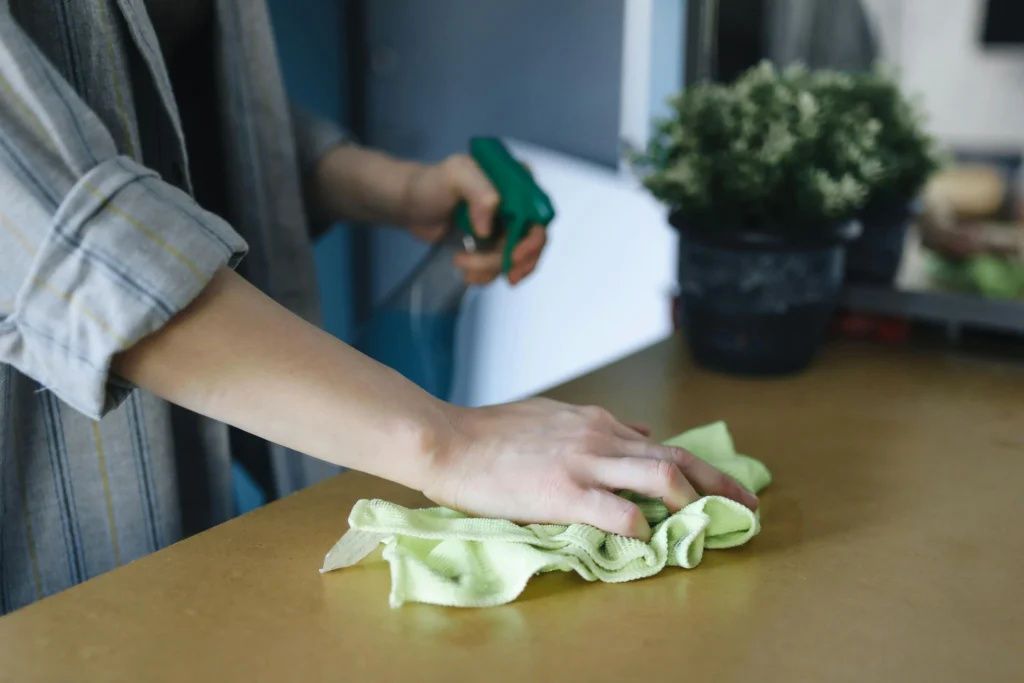
Good cleaning tips are essential for a spring refresh that reaches far beyond surface dusting or quick weekend resets. As temperatures rise and daylight stretches longer, many homeowners feel a natural pull to clear out the buildup left behind by busy months indoors. Closets get crowded, storage areas overflow, and everyday spaces slowly lose their sense of order. Spring creates the perfect opportunity to pause, reassess, and restore balance throughout your home.
A well-planned spring cleaning routine does more than make rooms look better. It improves how your home functions day to day. When clutter is reduced and storage is intentional, mornings become smoother, meal prep feels less stressful, and finding what you need takes less time. Organized spaces also protect your belongings by limiting dust, moisture, and unnecessary wear, helping furniture, finishes, and personal items last longer.
Instead of tackling everything at once, successful spring cleaning starts with a clear strategy. By breaking projects into manageable zones and using smart systems for sorting, storing, and maintaining, you avoid burnout and see progress faster. Thoughtful organization turns cleaning from a seasonal chore into a habit that supports comfort and productivity year-round.
In this blog, you’ll learn how to approach spring cleaning room by room, handle common trouble spots like closets, kitchens, and storage areas, and build practical routines that keep your home orderly long after spring has passed. With the right plan in place, cleaning becomes less overwhelming and far more rewarding.
Why Spring Cleaning Tips Matter

Spring cleaning is more than a tradition, it’s a meaningful reset for both your home and your mindset. Living in spaces that are clear of dust, grime, and clutter supports mental clarity and emotional calm. When surfaces are wiped, floors are swept, and closets are organized, your home feels lighter, more welcoming, and easier to enjoy. A seasonal refresh creates an environment that helps you relax, focus, and feel comfortable in your own space.
Beyond how it looks and feels, spring cleaning also plays an important role in reducing allergens. During winter, doors and windows stay closed, allowing dust, pet hair, and airborne particles to collect in corners, upholstery, vents, and closets. Deep cleaning at the start of spring removes these hidden irritants, improving air quality and making your home healthier, especially for anyone with allergies or sensitivities.
Regular seasonal upkeep also helps maintain your home’s value and function. Cleaning and organizing protect surfaces, appliances, and finishes from long-term wear. Paying attention to often-overlooked areas prevents buildup that can lead to damage or costly repairs later. Instead of reacting to problems, spring cleaning keeps your home running smoothly and looking its best. Together, these benefits show that spring cleaning isn’t just about tidying up, it’s about creating a healthier, calmer, and more functional home that supports everyday living all year long.
How to Prepare for Spring Cleaning

Successful spring cleaning starts with a plan you can actually follow. Instead of trying to tackle your entire home in one exhausting weekend, break the project into manageable chunks. Assign specific zones to different days so progress feels steady rather than overwhelming. For example, focus on bedrooms one day, kitchens and dining areas another, then bathrooms, closets, living spaces, and finally deep-clean tasks like windows or appliances. A simple schedule keeps you motivated, prevents burnout, and helps ensure every space gets proper attention.
Equally important is gathering the right supplies before you begin. Having everything ready keeps your momentum going and avoids unnecessary interruptions. Stock up on essentials such as microfiber cloths, all-purpose and glass cleaners, a mop and broom, a vacuum with attachments, scrub brushes, and storage bins for sorting. When your tools are within reach, spring cleaning becomes faster, more efficient, and far less frustrating.
Finally, dress for success. Spring cleaning can be physically demanding, so wear comfortable clothes you can move in and gloves to protect your hands. Open windows when possible to improve airflow and keep the space feeling fresh while you work. Proper clothing and ventilation help you stay comfortable and energized during longer cleaning sessions.
By setting a realistic schedule, preparing your supplies, and creating a comfortable work environment, spring cleaning becomes more organized, efficient, and even enjoyable, turning a big task into a series of achievable wins.
Step-by-Step Room Spring Cleaning
Kitchen
The kitchen is often the busiest room in the home, so it usually shows wear first. From daily cooking to family gatherings, surfaces, cabinets, and appliances work hard every day. A focused spring clean restores order, improves hygiene, and makes the space more enjoyable to use.
Start by cleaning and organizing cabinets. Remove everything so you can wipe down shelves and corners, check expiration dates, and discard unused items. Group similar products using clear bins or labeled baskets to improve visibility and long-term organization. Next, refresh your appliances. Wipe the exterior of the refrigerator, oven, microwave, and dishwasher to remove grease and fingerprints. Wash fridge shelves and trays with warm, soapy water, and use proper cleaners to remove baked-on buildup from stovetops and ovens. Clean appliances look better and work more efficiently.
Finally, focus on countertops and sinks. Clear surfaces completely and wipe them thoroughly. Pay attention to faucets and drains where residue and bacteria collect. Removing buildup prevents staining and keeps the kitchen fresh. By tackling cabinets, appliances, and surfaces together, your kitchen becomes cleaner, more organized, and easier to maintain, setting the tone for the rest of your home’s spring refresh.
Bathroom
Bathrooms need focused cleaning because constant moisture and frequent use allow grime, soap scum, and bacteria to build up quickly. Start by deep cleaning grout and tile using a grout cleaner or a simple baking soda-and-water paste to lift stains from lines and corners. Wipe tile surfaces with a mild cleaner to remove water spots and residue so they look brighter and feel fresh. Next, move to fixtures and mirrors, spraying faucets, showerheads, and glass to eliminate hard water marks, fingerprints, and streaks.
Finish by organizing storage areas. Empty vanity drawers and cabinets, sort products by daily and occasional use, replace worn liners, and group bottles in small baskets so everything is easy to find and stays tidy long after cleaning is done.
Bedrooms
Bedrooms should feel calm and comfortable, making them ideal spaces for focused spring cleaning. Start with bedding and linens by washing or replacing mattress pads, pillow protectors, comforters, and sheets to remove dust, sweat, and allergens. If your mattress allows, rotate or flip it to promote even wear and better support. Fresh, clean linens instantly make the room feel more inviting. Next, move on to closets and drawers by taking everything out and sorting clothing by season or category. Donate items you no longer wear or that no longer fit, and use drawer dividers or bins to create clear zones so everything has a proper place.
Finish by dusting baseboards, window sills, shelves, and ceiling fans before vacuuming carpets or mopping hard floors. Removing built-up dust and debris improves air quality and helps your bedroom feel lighter, cleaner, and more relaxing overall.
Living and Common Areas
The spaces where families gather should feel open, clean, and inviting, which makes them a priority during spring cleaning. Start with upholstery and textiles by using vacuum attachments to remove dust, crumbs, and pet hair from sofas, chairs, cushions, and even drapes. Treat visible stains with spot cleaners, and consider professional spring cleaning for fabrics with deep-set grime. Next, move on to shelving and décor by removing everything, dusting each surface thoroughly, and putting items back with intention. Keeping fewer, well-placed pieces creates a calmer look and makes ongoing maintenance easier.
Finally, don’t forget electronics like remote controls, game consoles, keyboards, and screens, which collect oils and dust from daily use. Wipe them down gently with cleaner wipes made for electronics to keep surfaces hygienic and working properly. Together, these steps help your living and family rooms feel refreshed, organized, and comfortable for everyday life.
Spring Cleaning Trouble Spots
Entryways
Entryways and mudrooms collect dirt, moisture, and debris from outdoors, making them one of the first areas to need attention during spring cleaning. Start by sweeping or vacuuming floors, paying close attention to corners, baseboards, and the space under benches or furniture. Shake out floor mats or wash them to remove trapped dust and grit. Then organize shoes, coats, and bags using cubbies, racks, or wall hooks so everything has a clear home. Keep everyday items within easy reach and store seasonal gear higher up or in labeled bins. A clean, organized entry space helps prevent mess from spreading through the rest of the home and makes coming and going feel easier and more welcoming.
Garage and Storage Zones
Garages often turn into overflow spaces for household items, which makes decluttering the first and most important step. Begin by sorting everything into four simple categories: keep, donate, recycle, and discard. This process clears out unused or broken items and helps you see what truly belongs in the space. Once you’ve reduced the clutter, improve storage with shelving and wall-mounted systems to keep tools, bins, and supplies off the floor. Creating designated zones for equipment, seasonal gear, and automotive essentials makes the garage safer, easier to navigate, and much more functional year-round.
Home Office or Study Areas
Work and study areas need focused organization to stay functional and productive. Start with papers and files by sorting documents into “keep,” “shred,” or “archive” piles. Consider using file boxes or scanning documents digitally to reduce paper clutter and keep important information accessible. Next, tackle desks and drawers by emptying them completely and wiping down all surfaces. Use small dividers or containers to group office supplies, keeping pens, paperclips, and other items organized and easy to find. By decluttering paperwork and organizing supplies, work and study zones become calmer, more efficient spaces that support focus and productivity.
Closet Refresh Strategies
Closets can become cluttered when out-of-season clothing and accessories accumulate, so implementing a seasonal rotation system is key. Store winter coats, boots, summer dresses, shorts, and holiday attire in labeled bins or on higher shelves, bringing the current season’s items to the forefront for easy access. Maximizing vertical space with shelf dividers, stackable bins, or hanging organizers ensures every inch is used efficiently and keeps items visible rather than buried. Additionally, grouping clothing by type, such as workwear, casual wear, and activewear, makes daily routines smoother and highlights underused or overloaded areas, helping you maintain a functional, organized, and easily navigable closet year-round.
Tools and Storage Solutions That Support Spring Cleaning
Maximizing storage efficiency starts with bins and baskets, clear or labeled containers make it easy to categorize items and keep similar things together, whether it’s linens, accessories, or seasonal gear. Drawer and shelf organizers prevent loose items from shifting and creating visual clutter, working well in kitchens, closets, bathrooms, and home offices alike. For utility spaces like mudrooms, garages, and laundry areas, wall-mounted systems such as racks, hooks, and pegboards create designated zones for tools, outerwear, and supplies while keeping floors clear.
Finally, labels and tags ensure everyone in the household knows where items belong. Durable labels on baskets, shelves, and containers make it easy to maintain order and quickly locate what you need, turning storage spaces into efficient, stress-free zones.
Sustainable Spring Cleaning and Organization Habits
Maintaining a clean and organized home is easier when simple habits are part of your routine. Daily maintenance routines, like wiping down countertops after use, returning items to their designated spots, and addressing small clutter immediately, prevent mess from accumulating and reduce the need for intensive cleaning sessions. Weekly touch-ups provide an extra layer of upkeep, focusing on specific areas such as making beds, tidying bathrooms, or refreshing floors, keeping your home feeling consistently fresh.
Finally, monthly inventory checks help you stay ahead of outdated or unused items, whether it’s expired pantry goods, office supplies, or storage containers. By combining daily, weekly, and monthly routines, you create a proactive system that keeps your home organized, functional, and stress-free all year long.
How St. James Closets Supports Lasting Order
At St. James Closets, we understand that organized spaces are the foundation of how your home feels and functions. Thoughtful storage solutions that align with your daily routines transform cleaning from a chore into an intentional, manageable practice. Whether you’re looking for custom pantry shelves, closet systems that maximize vertical space, or specialized storage for laundry and entry zones, well-designed cabinetry and layout planning make a real difference in how efficiently you manage your home. Professional planning ensures that your storage adapts to your lifestyle, keeping the spaces you use most tidy, accessible, and supportive of healthy habits throughout the year.
With customized solutions from St. James Closets, maintaining order becomes effortless, leaving your home feeling refreshed, functional, and ready for whatever life brings, long after spring cleaning is complete.
Spring cleaning isn’t just a seasonal task, it sets the tone for how you experience and enjoy your home all year long. By combining intentional storage systems with room-by-room planning, you can clear clutter, streamline daily routines, and create spaces that feel calm, organized, and functional. At St. James Closets, we specialize in custom storage solutions designed to fit your lifestyle, whether it’s pantries, closets, mudrooms, or specialty areas. Our goal is to make cleaning easier, keep your home running smoothly, and help you maintain lasting order in every room.
Ready to transform your home into a more organized, stress-free space? Contact St. James Closets today to explore personalized storage solutions that maximize efficiency, enhance your home’s functionality, and keep every season running smoothly. Let us help you create a home that’s not just clean, but effortlessly organized.
Spring cleaning sets the tone for how you live in your home throughout the year. With intentional storage systems and room-by-room planning, you can clear clutter, simplify routines, and enjoy spaces that feel orderly and calm. At St James Closets, we design solutions that support your daily life and help maintain lasting organization. Contact us to discuss custom storage options that make cleaning easier and keep your home functioning at its best every season.