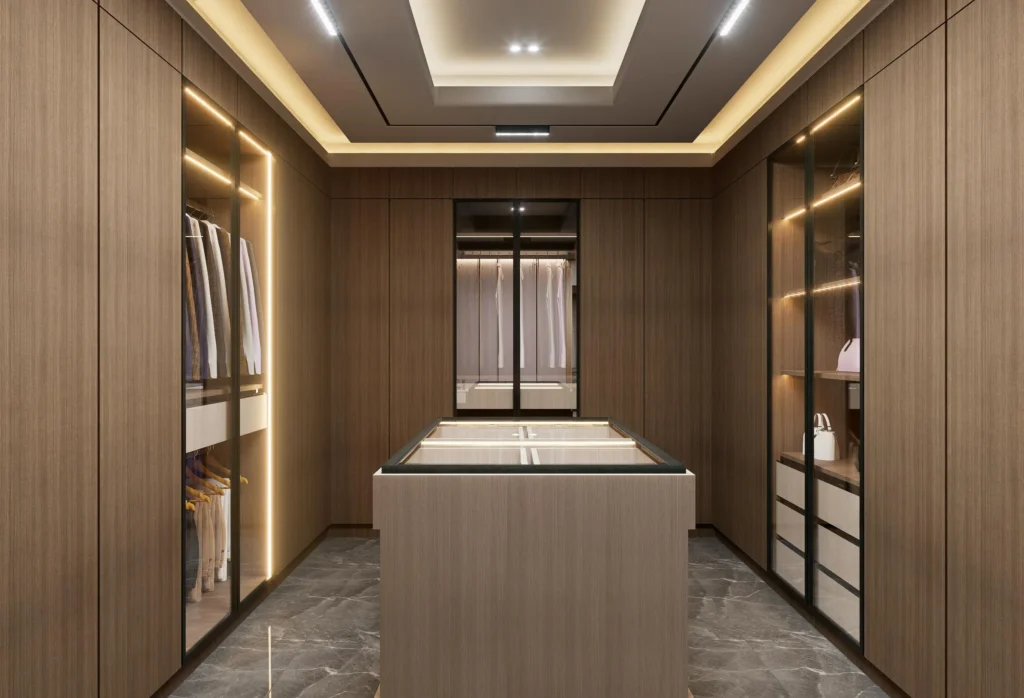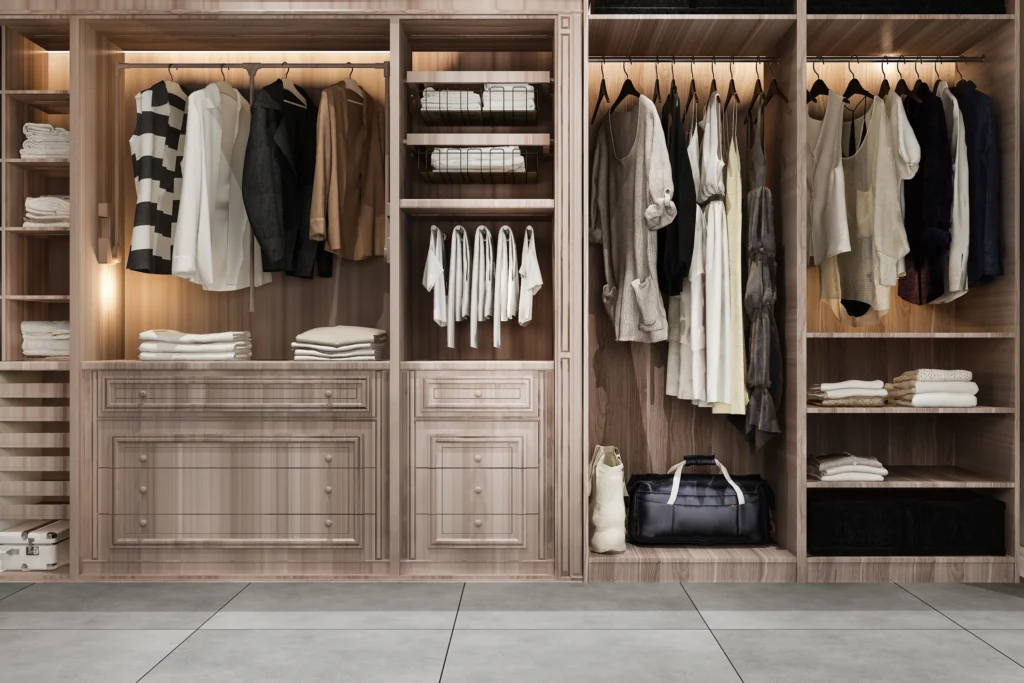
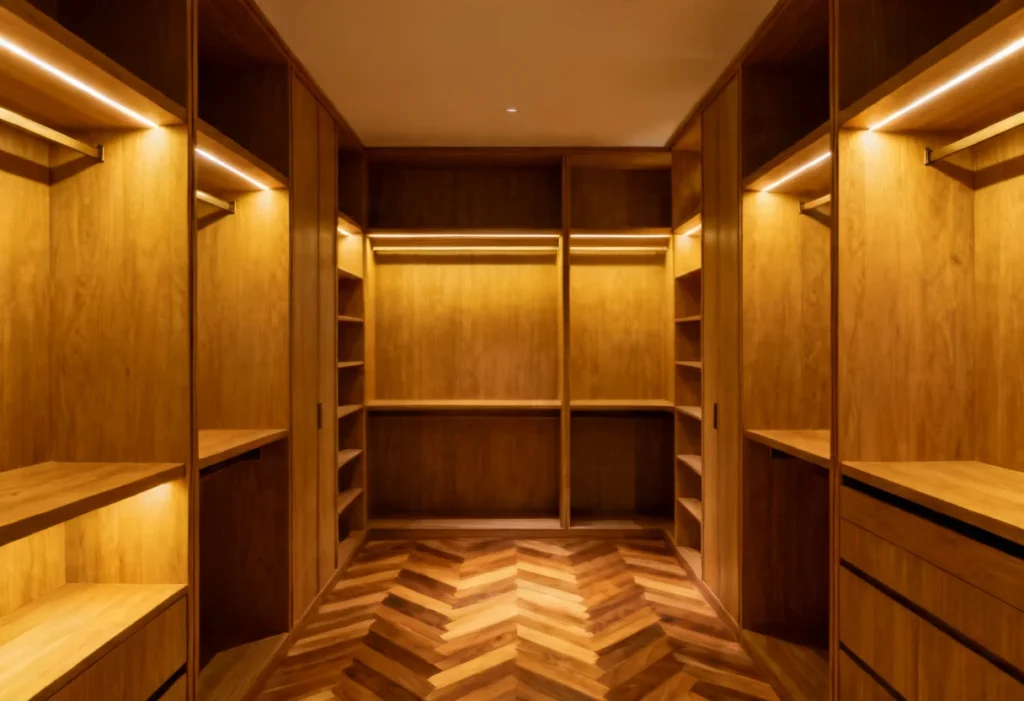
Closet storage improves home organization by turning unused or crowded spaces into structured systems that support daily routines. Storage becomes more efficient and accessible. Items have defined places. Daily routines feel more organized and predictable.
Many homes struggle with clutter inside closets. Items pile up over time. Shelving becomes overloaded. Floor space gets blocked. Organization breaks down without a clear system. A well-designed closet system solves these problems through structured planning, dedicated storage zones, and custom-built features that match real household needs.
St. James Closets creates storage systems that improve function and maximize available space in every area of the closet. Designs focus on better visibility, smoother access, and practical layout flow for clothing, accessories, and household items. Each system supports long-term organization, reduces daily clutter, and creates a more efficient storage environment that fits naturally into everyday living.
Why Closet Storage Matters in Every Home
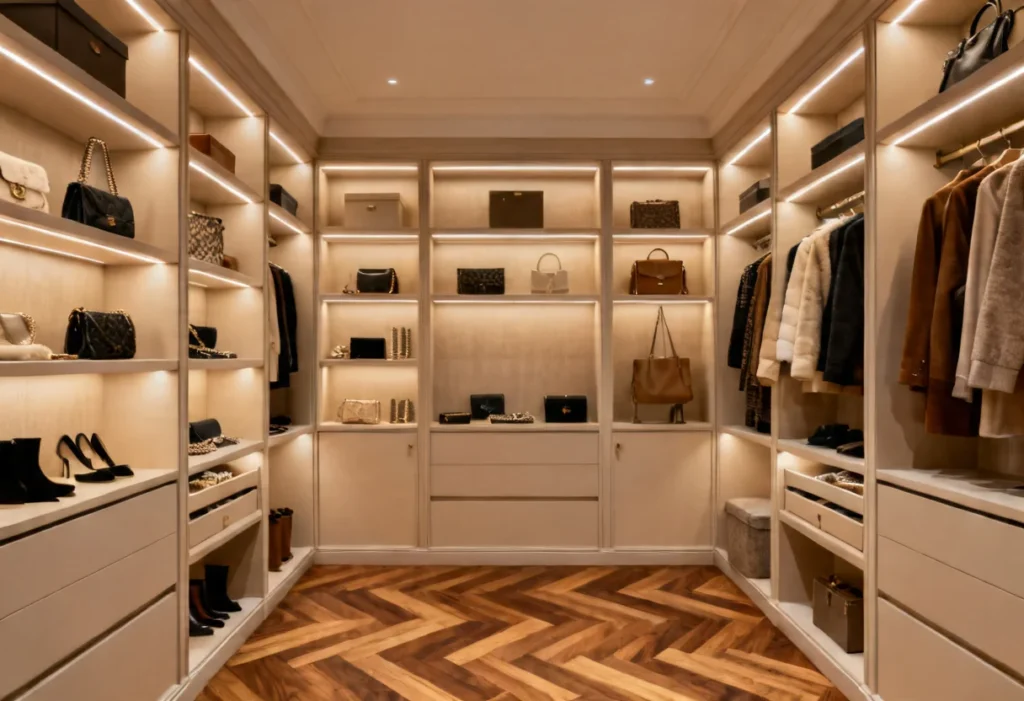
Closets support daily living by organizing clothing, accessories, household items, and seasonal storage in one structured space. A well-planned closet improves how quickly items can be stored and retrieved. It also improves how smoothly daily routines move from one task to the next. Common problems appear when storage lacks structure. Shelves become overcrowded. Vertical space goes unused. Storage zones are unclear. Visibility is limited. Items become difficult to reach without shifting other belongings. These conditions create inefficiency inside the closet.
These issues slow daily routines and create stress during simple tasks such as selecting outfits, storing laundry, or finding frequently used items. Over time, disorganization reduces the overall usability of the space and increases clutter buildup. Smart storage removes these barriers through structured layouts, defined categories, and better use of vertical and hidden space. Each item has a clear place. Access becomes faster. Movement inside the closet becomes more efficient. The result is a more organized system that supports daily living with less effort and more consistency.
1. Custom Shelving That Fits Real Storage Needs
Custom shelving improves how space is used inside the closet. It creates clear structure for folded clothes, storage boxes, household items, and seasonal belongings. Each shelf serves a defined purpose. Each section supports better organization.
Adjustable shelving adds flexibility to the system. Heights change based on item size. Layouts adapt as storage needs shift. Vertical space gets used more efficiently instead of remaining empty or cluttered.
Better shelving reduces wasted space and improves daily access. Items stay visible and easier to reach. Organization stays consistent over time. The result is a more functional storage system that supports long-term order and practical everyday use.
2. Built-In Cabinets for Clean and Hidden Storage
Cabinets create structure inside closets by turning open or unused space into defined storage areas. They provide enclosed storage for clothing, accessories, and household items. They protect contents from dust and everyday exposure. They also help separate items into clear categories for easier access and better organization.
Cabinet systems improve visual order inside the closet by reducing open clutter and creating a uniform appearance. Doors conceal stored items and maintain a clean, streamlined look. This makes the entire space feel more organized even when it is actively used.
St. James Closets designs cabinet systems that align with home interiors and daily routines. Each layout focuses on practical storage flow, efficient use of space, and long-term durability. Closed storage reduces clutter visibility and supports a more structured, functional, and visually balanced closet environment.
3. Vertical Storage That Uses Full Wall Height
Many closets ignore upper wall space and leave valuable storage capacity unused. Vertical storage solves this issue by extending organization upward and using areas that typically remain empty. It increases efficiency inside the same footprint and improves overall closet function without structural changes.
Upper storage works well for stacked bins, extra linens, seasonal clothing, and labeled storage boxes. These items stay organized in clearly defined sections above the main storage zone. Frequently used items remain at eye level or lower levels for easier daily access. This separation improves clarity and reduces clutter in active storage areas.
Vertical systems improve balance inside the closet by distributing weight and organization across multiple levels. Shelves and cabinets use wall height more effectively. Visibility improves because items have designated positions instead of being crowded together. More height translates into more usable storage without requiring renovation or additional floor space. The system adapts to existing walls and maximizes every inch of vertical capacity. Organization becomes more structured, efficient, and easier to maintain over time.
4. Dedicated Storage Zones for Better Organization
Zones simplify storage systems by dividing the closet into clear, functional sections. Each zone has a defined purpose that supports daily use and long-term organization. Structure replaces guesswork. Movement inside the closet becomes more efficient.
Daily clothing zones hold frequently used garments in accessible areas. This supports quick outfit selection and smoother morning routines. Seasonal storage zones separate off-season items to prevent overcrowding in active spaces. Accessories zones organize smaller items such as belts, bags, and jewelry in dedicated compartments for better visibility. Household supply zones keep non-clothing items grouped and contained for practical storage.
Clear zoning reduces confusion inside the closet. Items stay in consistent locations over time. Searching time decreases. Clutter buildup slows down because every category has a fixed place.
Well-defined zones improve overall closet performance. Organization becomes easier to maintain. Access becomes faster and more predictable. The system supports daily routines with less effort and greater efficiency.
5. Pull-Out Drawers for Easy Access
Deep shelves create hidden clutter inside closets because depth allows items to stack and disappear from view. Objects get pushed toward the back and forgotten over time. Front areas become crowded while rear areas remain unused. This uneven use of space reduces visibility and weakens overall organization.
Pull-out drawers solve this problem by converting deep storage into accessible layers. Each drawer brings items forward in a controlled way. Accessories, folded clothes, small items, and personal belongings remain separated in defined compartments. This structure prevents stacking and keeps categories organized within the same space. Visibility improves because every item becomes easier to see at a glance. Nothing stays buried at the back of a shelf. Organization becomes more consistent because items return to the same place after use. Searching time decreases and storage flow becomes more predictable.
Access becomes faster and smoother in daily routines. Items require less effort to retrieve and store. The closet remains cleaner, more structured, and easier to maintain over time.
6. Integrated Lighting for Better Visibility
Good lighting improves usability inside closets by making every area easier to see and access. Proper illumination supports faster item selection, more accurate organization, and clearer visibility in deep or shadowed spaces. It reduces guesswork and helps maintain order throughout daily use.
Closet lighting also improves how efficiently items are sorted and stored. Colors appear more accurate. Clothing details become easier to distinguish. Deep shelves and upper compartments become fully visible instead of dark or overlooked. This creates a more functional and reliable storage experience. LED lighting works especially well in custom closet systems because it is energy-efficient, low-profile, and adaptable to different layouts. It can be installed under shelves, inside cabinets, or along vertical sections to create even light distribution.
Clear lighting improves daily routines by making the closet easier to navigate and more comfortable to use. The result is a brighter, more organized space that supports consistent and efficient storage habits.
7. Hanging Systems That Protect Clothing
Proper hanging storage prevents damage by supporting garments in their natural shape. Closet systems include double hanging rods, long hanging space, and adjustable rails that organize clothing based on length and category. Each system serves a specific purpose within the overall layout.
Short garments such as shirts, blouses, and jackets work well with double hanging rods because they maximize vertical space. Long hanging areas support dresses, coats, and full-length pieces that require uninterrupted height. Adjustable rails allow flexibility as storage needs change over time.
Different clothing types require different spacing to maintain structure and appearance. Proper separation prevents overcrowding and improves airflow between garments. This reduces wrinkles and helps clothing stay in better condition.
Better hanging systems create a more organized closet environment. Items remain easier to access, and daily selection becomes more efficient and visually clear.
8. Shoe Storage That Keeps Floors Clear
Shoes often create clutter at closet bases because they are used daily and stored in inconsistent locations. Without a defined system, pairs get separated, stacked, or pushed into unused corners. This reduces visibility and makes it harder to maintain order over time.
Dedicated shoe storage solves this problem by assigning structured spaces for every pair. Organization becomes intentional rather than temporary. Each shoe type has a clear position within the closet layout, which improves both access and long-term maintenance.
Shoe storage options include cubbies, angled shelves, and pull-out racks. Cubbies keep each pair contained and separated, which works well for larger collections. Angled shelves improve visibility and allow quick selection during daily routines. Pull-out racks maximize deep closet space and bring shoes forward for easier reach and better organization control. Shoes stay organized when placement is consistent and structured. Rotation becomes easier between everyday footwear and seasonal pairs. Retrieval time decreases because items remain visible and accessible. Floors stay open and clean since footwear is no longer scattered across the closet base.
A well-designed shoe system improves overall closet function. It supports daily routines, reduces clutter buildup, and creates a more balanced and visually organized storage environment.
9. Hidden Storage for Seasonal Items
Seasonal storage needs separation from daily use because these items are not accessed regularly but still take up valuable space inside the closet. Without proper organization, seasonal belongings mix with everyday items and create unnecessary clutter and confusion.
Hidden compartments provide a structured solution for holiday décor, winter clothing, travel gear, and backup household items. These items stay stored in designated areas that are out of the main daily workflow. This keeps frequently used clothing and essentials easier to reach and better organized.
Clear separation improves overall closet efficiency. Daily items remain visible and accessible. Seasonal items stay protected and contained until needed. Organization becomes more stable because storage zones are clearly defined and consistently maintained.
10. Open Shelving for Daily Essentials
Open shelving supports quick access inside closets by keeping items visible and easy to reach. It works best for daily clothing, frequently used items, accessories, and bags. Visibility improves organization because items remain in plain sight instead of being stored behind doors or inside enclosed compartments. Open shelves make daily routines faster. Selection becomes easier. Items can be retrieved and returned without extra steps. This reduces time spent searching and improves overall workflow inside the closet.
Balance remains important when combining open and closed storage. Open shelving supports speed and convenience, while closed storage maintains visual order and hides less frequently used items. A mix of both creates a closet system that is efficient, organized, and visually controlled.
11. Pull-Out Hampers for Laundry Control
Built-in hampers improve laundry flow by creating a dedicated place for sorting clothes inside the closet or laundry area. They support separation of colors, fabrics, and daily wear before washing begins. Organization starts at the point of use rather than after collection. These systems keep laundry contained and prevent piles from forming in bedrooms or bathrooms. Clothes stay sorted in advance, which reduces effort during wash days and improves overall household efficiency.
Routines become easier because laundry has a clear starting point. Sorting becomes automatic. Collection becomes consistent. The process becomes more structured, reducing clutter and saving time in daily routines.
12. Multi-Purpose Storage for Flexible Use
Many closets serve more than one purpose inside the home. Storage is not limited to clothing alone. Items such as household supplies, accessories, and overflow belongings often share the same space. Without structure, these categories mix and reduce overall efficiency.
Flexible storage creates a system that adapts to different needs. Adjustable shelves, modular compartments, and mixed storage zones support multiple item types within one layout. Each category remains separated while still sharing the same space.
Multi-use design improves space efficiency by maximizing every section of the closet. Vertical areas, hidden compartments, and open sections work together to handle different storage demands. One system supports many needs while maintaining clarity and order throughout daily use.
13. Compact Storage Solutions for Small Spaces
Small closets require smart design to achieve efficient storage without overcrowding. Every section must serve a purpose. Layout decisions directly affect how usable the space becomes in daily life. Compact systems maximize corners, narrow wall areas, and vertical gaps that are often overlooked. Corners can support angled shelving or custom fittings. Narrow walls can hold slim storage units or hooks. Vertical gaps can be used for stacked shelving or overhead storage. Each area contributes to overall capacity.
Even small spaces become highly functional when storage is planned correctly. Organization improves because items are assigned clear positions. Access becomes easier because the layout is structured and intentional. Good design increases usable storage without changing the physical size of the closet.
14. Durable Materials for Long-Term Performance
Closets face daily use from constant opening, closing, and item handling. Strong materials support long-term performance under this repeated activity. Stability remains consistent even with frequent loading and unloading. Structure holds its shape over time.
Durable materials extend service life by resisting wear from weight, movement, and regular handling. Shelves stay level. Cabinets maintain alignment. Hardware continues to function smoothly with daily use.
St. James Closets uses materials selected for everyday durability and practical performance. Each system is built to handle real household demands without losing structure or appearance. Reliable construction reduces maintenance needs and supports consistent organization over time.
15. Entry Closet Storage for Daily Flow
Entry closets support everyday routines by organizing items used before leaving or entering the home. They provide dedicated storage for shoes, jackets, bags, and daily essentials. Structure improves how quickly items can be found and returned during busy moments. Easy access improves home organization by reducing clutter near entrances. Items stay in designated places instead of spreading across floors or furniture. This creates a more functional and efficient transition space between indoors and outdoors.
Entry areas also shape first impressions. A well-organized closet creates a clean and welcoming appearance. It sets the tone for the rest of the home and reflects overall organization and care.
16. Closet Storage That Supports Better Garage Organization
Closet systems extend beyond bedrooms and also support garage organization. Additional storage creates structure for tools, seasonal items, and cleaning supplies that often accumulate without a clear system. Organization improves when these items are assigned dedicated zones.
Garage storage benefits from the same principles used in closet design. Shelving, cabinets, and vertical systems help separate categories and improve accessibility. Tools remain grouped. Seasonal items stay contained. Cleaning supplies remain easy to locate and use.
A connected storage system improves the entire home by creating consistency across different spaces. Items stay organized regardless of location. Structure replaces clutter. Every area functions with a clear purpose, making daily routines more efficient and manageable.
17. Custom Layouts Designed Around Real Lifestyles
Every household stores items differently based on lifestyle and daily routines. Storage needs change depending on how many people live in the home, how often items are used, and how much available space exists. Custom layouts adapt to family size, daily habits, space limitations, and specific storage requirements. Each design is planned around real usage patterns instead of a one-size-fits-all approach. This allows storage to match how the household actually functions.
Personalized systems perform better than standard shelves because they use space more efficiently and support clearer organization. Items stay in logical locations, access becomes easier, and clutter is reduced. Thoughtful design improves daily life by making storage more practical, structured, and consistent.
Why St. James Closets Builds Better Storage Systems
Storage design requires planning and precision because every inch of space affects how efficiently a home functions. Proper design ensures that storage is not only visually organized but also practical for everyday use.
St. James Closets focuses on custom layouts that match the exact dimensions, structure, and constraints of each space. Functional design ensures that every element has a clear purpose, from hanging areas to shelving, drawers, and concealed storage. Durable materials provide long-term strength and stability under daily use. Professional installation ensures accurate measurements, secure fitting, and clean integration with the surrounding interior.
Each system improves organization by creating order and reducing wasted space. Each design supports real routines by reflecting how people move through their day, access their belongings, and manage household items. The result is a storage system that feels intuitive, reliable, and built for long-term everyday living.
In Conclusion
Closet storage shapes how a home functions every day by influencing how easily people access, store, and manage their belongings. Well-planned systems improve movement through daily routines and reduce unnecessary effort when organizing items.
Simple improvements such as defined storage zones, better shelving, and optimized layouts create better flow inside the closet. Cleaner spaces support clearer thinking and faster decision-making during daily tasks. Easier routines develop when everything has a designated place. Smart systems reduce clutter by preventing overcrowding and improving visibility. Accessibility increases when items are stored in logical, easy-to-reach locations. Organization becomes more consistent and easier to maintain over time.
St. James Closets designs storage solutions built for real homes and real usage patterns. Each system improves function, supports better organization, and delivers long-term usability that adapts to everyday living needs.
A well-designed closet improves how your entire home functions by making storage more efficient, accessible, and organized. Storage becomes simple because every item has a clear place. Daily routines become smoother because items are easier to find and return. Clutter stays under control when the system supports consistent organization over time. St. James Closets creates custom systems built for real spaces and real household needs. Each design focuses on practical function, long-term durability, and clean organization that fits naturally into everyday living. The goal is to improve usability while maintaining a structured and visually balanced storage environment.
Now is the best time to upgrade your storage and bring order to your home. Book a private consultation with St. James Closets and discover how a thoughtfully designed closet system can improve flow, reduce clutter, and transform the way you use your space every day.